
Disclaimer: We are not associated with any clay company. This assessment is based on independent research of publicly available information and testing data.
We’ve all been there. You walk into Target for a single bottle of dish soap and somehow end up in the beauty aisle, staring at a wall of sleek packaging and promising "miracle" masks. In 2026, the clay mask game is stronger than ever. Brands like Glamglow and Origins dominate the shelves, with Aztec Secret usually tucked away on a lower shelf for the DIY crowd.
But as someone who spends way too much time looking at mineral compositions and safety data sheets, I’ve noticed a major gap. While Target offers convenience and pretty jars, it’s missing the one thing that actually matters for deep skin recovery: the Pure Clay Edge. Specifically, I’m talking about high-grade French Green Clay: the kind that isn't packed with synthetic fragrances or preservatives.
If you’re looking for Clayer, you won't find it between the popcorn and the pillows at Target. Here’s why that matters and what the big-box brands are actually giving you.
The Target Heavyweights: Origins and Glamglow
If you look at the "Best Seller" tags in the Target app, two names consistently pop up.
Origins Clear Improvement
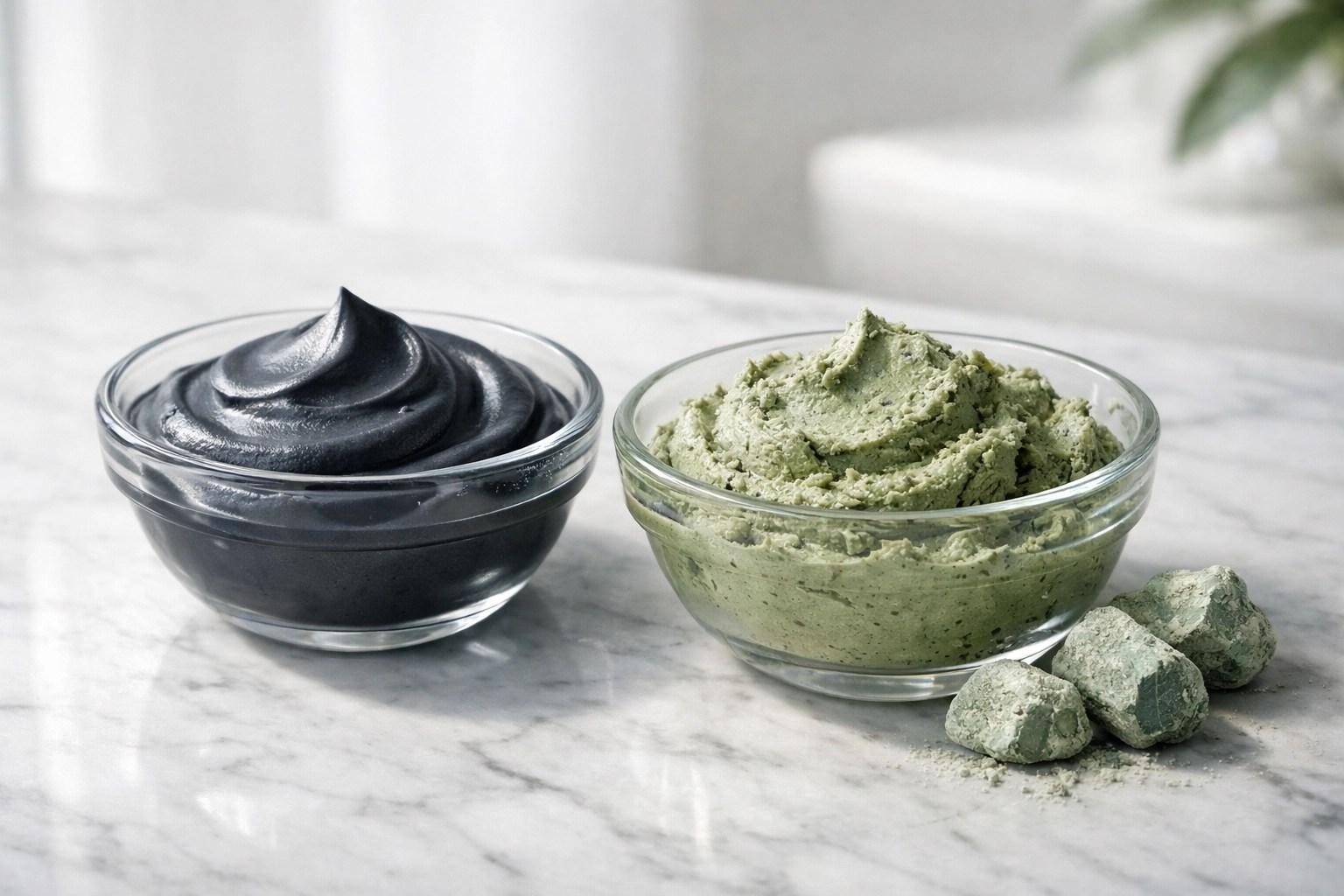
Origins has been a staple for years. Their charcoal-infused clay mask is popular because it feels "clean." It uses white china clay (kaolin) and charcoal to pull out oils. It’s a solid, entry-level mask. However, if you look at the ingredient list, you’ll find it’s water-based and contains several stabilizers to keep it shelf-stable for months in a hot warehouse. It’s effective for basic oil control, but it lacks the bio-active mineral density of a true French Green Clay.
Glamglow Supermud
Glamglow is the "luxury" choice at Target. It’s flashy, it tingles, and it has a cult following. They use a blend of six acids and activated charcoal. While it’s great for immediate exfoliation, the "clay" part is often secondary to the chemical exfoliants. For someone with sensitive skin or someone looking for a natural detox, the heavy inclusion of acids can be a bit much. It’s more of a chemical peel disguised as a clay mask.
Why the "Pure Clay Edge" is Missing
The main difference between a mass-market brand and a professional-grade recovery clay like Clayer is the mineral itself.
Most masks at Target use Bentonite or Kaolin. These are fine for absorbing oil, but they aren't all created equal. Many of these clays are processed, bleached, or mixed with "filler" ingredients to make them smell like a spa.
Montmorillonite and Illite (the primary components of Clayer’s French Green Clay) are different. These clays have a unique crystalline structure that doesn't just sit on the skin: it creates an ionic pull that draws out toxins and heavy metals.
When we talk about the science of green clay, we’re looking at its ability to assist in recovery. For athletes or active people, skin isn't just a canvas; it's an organ that needs to recover from sweat, pollution, and physical stress.
The Safety Gap: What Target Doesn’t Tell You
When you buy a mass-market mask, you assume it's safe. And while it meets basic retail standards, the clay industry is notoriously under-regulated.
A major concern with many budget clay masks: including some found at major retailers: is the presence of heavy metals. Because clay comes from the earth, it can naturally contain lead or arsenic if it isn't sourced from protected, clean environments. Studies have shown that some commercial clays have concerning levels of lead because they aren't rigorously tested.
Clayer differentiates itself by being one of the few brands that provides transparent heavy metal testing and certifications. While the brands at Target are busy marketing "glow," Clayer is busy proving purity.

Clayer vs. The Retail Giants
If we were to put Clayer on a shelf next to Origins or Glamglow, here is how the "Pure Clay Edge" stacks up:
- Ingredients: Target brands often have 15–20 ingredients (including "Fragrance," which is a catch-all for chemicals). Clayer is 100% natural French Green Clay.
- Sourcing: Most retail clay is sourced globally from the cheapest available mines. Clayer is sourced specifically from a remote, pristine location in France that is rich in Illite and Montmorillonite.
- Intended Use: Glamglow and Origins are built for "beauty." Clayer is built for recovery. It’s used by pro athletes for its anti-inflammatory properties and its ability to soothe skin after intense training. You can read more about this on bestsportrecovery.blog.
- Scientific Backing: While retail brands focus on consumer "perception" studies (e.g., "90% of women felt their skin was softer"), French Green Clay has been studied for its antibacterial properties and its ability to promote healing in various medical contexts.

Why Being "Missing" at Target is Actually a Good Thing
You might wonder, "If Clayer is so good, why isn't it at Target?"
The answer is simple: Purity doesn't scale well in the mass-market world. To be sold at a retailer with thousands of locations, you usually have to add preservatives to ensure the product can sit on a shelf for three years without changing. You have to add emulsifiers so the clay doesn't separate. You have to lower the price point, which usually means using a cheaper, less mineral-dense clay.
Clayer focuses on quality over quantity. It’s a product designed for people who care about what goes into their bodies as much as what goes onto their skin. Whether you are choosing the right green clay or trying to understand if green clay is safe, the data points back to one thing: Raw, pure, and tested is always better than mass-produced and "pretty."
How to Get the "Pure Clay Edge" at Home
If you've been using the Target favorites and you aren't seeing the results you want: or if your skin feels tight and irritated after a mask: it might be time to switch to a pure option.
Using a professional-grade clay like Clayer is a bit different than a store-bought squeeze tube. Because it’s active, you’ll actually feel it working. It’s also incredibly versatile. You can use it as a standard facial mask to detox your skin, or you can apply it to sore muscles and joints for recovery.
Tips for the best experience:
- Don't let it dry completely: A common mistake with clay masks is letting them crack. When the clay dries, it starts drawing moisture out of your skin. Rinse it off while it’s still slightly damp to keep the minerals moving into your skin.
- Use non-metal tools: If you are mixing your own clay, use wood or glass. Metal can react with the ionic charge of the clay, reducing its effectiveness.
- Check the source: Always ensure your clay is certified.

Final Thoughts
Target is great for many things, but when it comes to the highest level of skin recovery and mineral purity, the best-selling brands like Origins and Glamglow simply can't compete with the "Pure Clay Edge." They offer convenience; Clayer offers scientific healing.
Next time you're standing in that aisle, remember that what's popular isn't always what's purest. If you're serious about your skin and your recovery, it's worth looking beyond the red bullseye.
To learn more about how to incorporate the best recovery clay into your routine, check out our ultimate guide to green clay or head over to bestsportrecovery.com to see why the pros make the switch.
Leave a Reply