If you've been researching clay masks and wondering about the difference between French clay and green clay, here's something that might surprise you: they're usually the same thing. Most skincare brands use "French clay," "green clay," and "French green clay" interchangeably to describe the same mineral-rich clay sourced from ancient deposits in France.
But don't worry: this common confusion actually opens up a great opportunity to dive deep into what makes this clay so special and whether it's the right choice for your skin.
What Exactly Is French Green Clay?
French green clay, also known as Illite clay or sea clay, is a soft, mineral-rich substance sourced mainly from ancient salt lagoons and riverbeds in France. This clay gets its distinctive green color from decomposed plant material, kelp, algae, and high concentrations of minerals like iron oxide.

The clay formed over millions of years as volcanic ash and organic matter settled in ancient seas. Today, it's primarily quarried from the Montmorillon region in southern France, where the unique geological conditions created this powerhouse skincare ingredient.
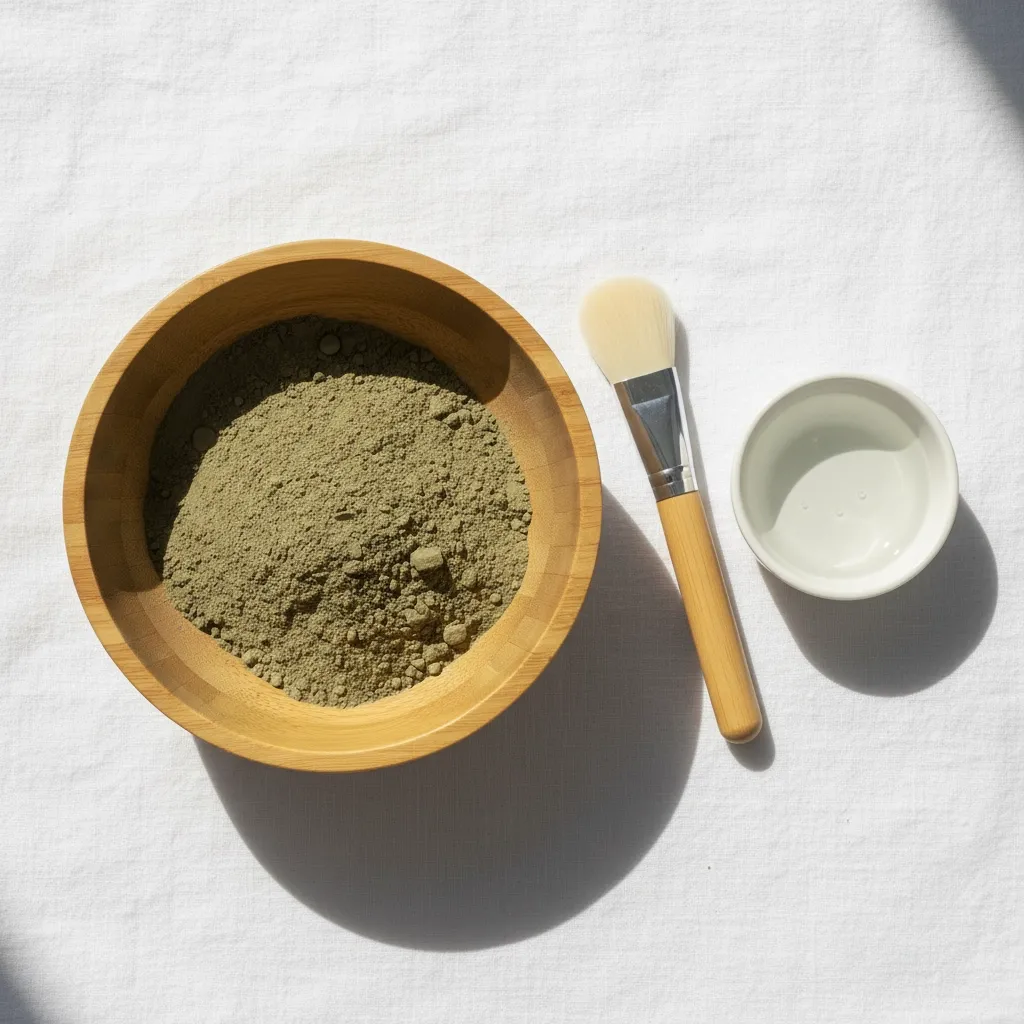
What sets French green clay apart from other clays is its incredibly fine particle size and high mineral content. When mixed with water, it creates a smooth, creamy paste that feels luxurious on the skin while delivering serious skincare benefits.
The Science Behind French Green Clay's Skin Benefits
French green clay works through several mechanisms that make it particularly effective for skincare. Its porous structure acts like a magnet for impurities, literally pulling dirt, oil, and toxins from deep within your pores.
The clay carries a negative ionic charge, which attracts positively charged toxins and impurities. As the clay dries on your skin, it causes a gentle tightening effect that helps constrict pores and lift debris that's been loosened by the clay's absorptive action.
Deep Cleansing Power
The clay's fine particles penetrate deep into pores, removing buildup that regular cleansers can't reach. This makes it incredibly effective for preventing blackheads and keeping pores clear.
Oil Regulation
Unlike harsh astringents that strip skin of all oil, French green clay intelligently absorbs excess sebum while leaving your skin's natural moisture barrier intact. This helps balance oily skin without triggering the overproduction of oil that often happens with over-drying products.
Gentle Exfoliation
The clay's natural texture provides mild physical exfoliation, buffing away dead skin cells to reveal smoother, brighter skin underneath.

Who Should Use French Green Clay?
While French green clay can benefit most skin types, it shines brightest on certain skin concerns:
Oily and Acne-Prone Skin
This is where French green clay really excels. Its oil-absorbing properties help control shine throughout the day, while its deep-cleansing action prevents the clogged pores that lead to breakouts. The clay's natural antibacterial properties can also help reduce acne-causing bacteria on the skin's surface.
Combination Skin
If you have an oily T-zone but normal or dry cheeks, French green clay can be applied selectively to problem areas. This targeted approach helps balance your skin without over-drying the areas that don't need intensive treatment.
Congested or Dull Skin
Even if you don't have oily skin, French green clay can work wonders for skin that's been exposed to pollution, makeup buildup, or just needs a monthly reset. The clay's detoxifying properties help restore clarity and radiance.
Normal Skin Seeking Enhancement
Those with normal skin can use French green clay occasionally for its toning and rejuvenating effects, helping maintain healthy skin and prevent future issues.
The Mineral Powerhouse: What's Inside French Green Clay
The effectiveness of French green clay comes from its impressive mineral profile. Each component contributes specific benefits to your skin health:
Silica strengthens skin structure and improves elasticity, helping maintain firmness and resilience against environmental damage.
Iron Oxide not only gives the clay its green color but also helps improve circulation, bringing more oxygen and nutrients to skin cells.
Magnesium soothes irritation and inflammation while supporting cellular regeneration and repair processes.
Calcium helps maintain the skin's protective barrier and supports proper cell turnover for healthy, glowing skin.
Potassium assists in maintaining proper moisture levels and supports the skin's natural detoxification processes.

These minerals work synergistically to provide comprehensive skin benefits that go beyond simple cleansing.
How to Use French Green Clay Effectively
Getting the most from French green clay requires proper application and timing. Here's how to incorporate it into your routine:
For Face Masks
Mix about a quarter-sized amount of clay powder with enough water to form a smooth paste. Apply evenly to clean skin, avoiding the delicate eye area. Leave on for 10-15 minutes: the clay should feel tight but shouldn't crack or become uncomfortable. Rinse with warm water and follow with your regular moisturizer.
As a Spot Treatment
For targeted treatment of blemishes, mix a small amount of clay with just enough water to create a thick paste. Apply directly to problem areas and leave for 15-20 minutes before rinsing off.
Scalp Treatment
French green clay isn't just for faces. Mix it with water to create a paste and massage into your scalp. Leave for 10 minutes before shampooing as usual. This helps remove product buildup and excess oil from hair follicles.
Frequency Guidelines
- Oily skin: 1-2 times per week
- Normal/combination skin: Once per week
- Sensitive skin: Once every two weeks or as tolerated
French Green Clay vs. Other Popular Clays
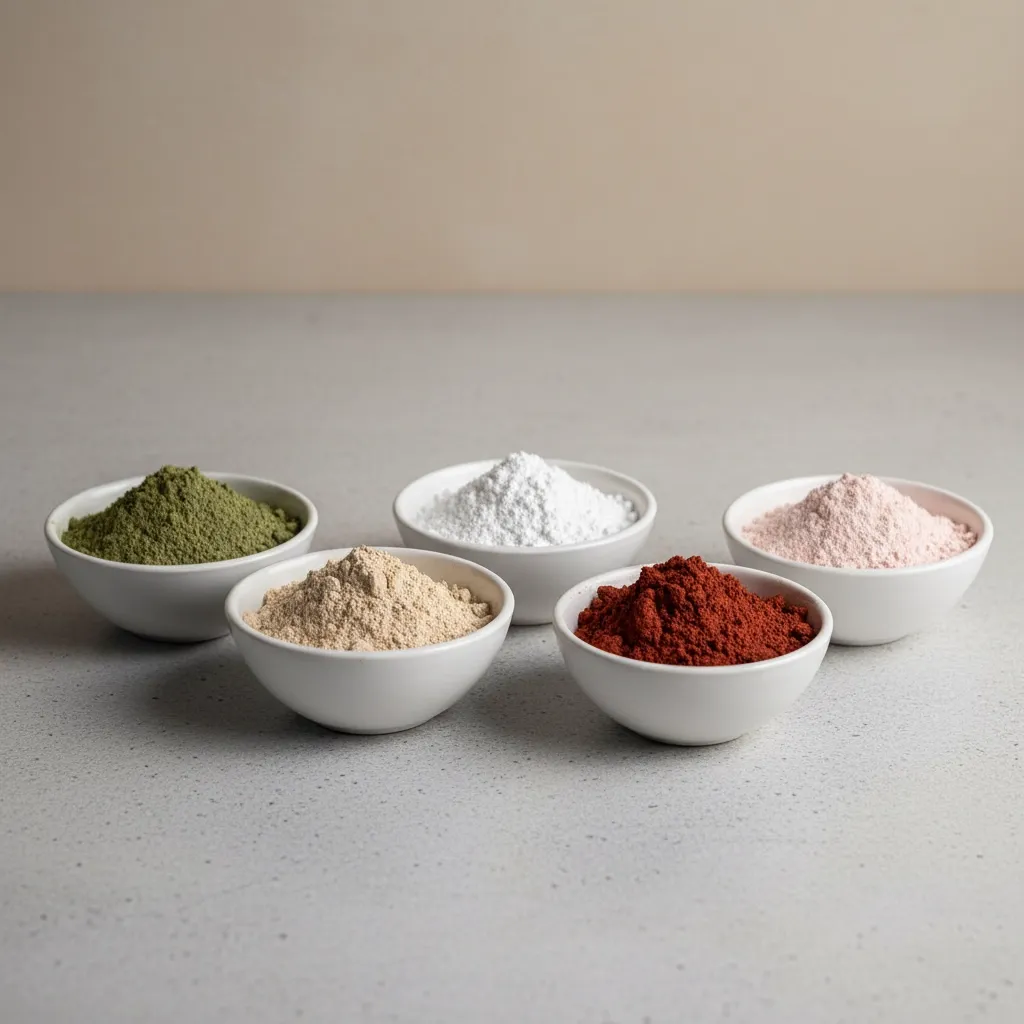
While we've established that French clay and green clay are typically the same thing, it's worth comparing French green clay to other popular clay varieties:
French Green Clay vs. Bentonite Clay
Bentonite clay is more aggressive in its oil-absorbing properties, making French green clay a gentler option for those with sensitive or combination skin.
French Green Clay vs. White/Kaolin Clay
White clay is the mildest option, suitable for dry and sensitive skin. French green clay offers more intensive treatment for oily and problematic skin.
French Green Clay vs. Red Clay
Red clay is rich in iron oxide and best for mature or sensitive skin. French green clay is more versatile and better for oil control and deep cleansing.
Choosing Quality French Green Clay
Not all French green clay products are created equal. Here's what to look for:
Source and Purity
Look for clay that's specifically sourced from France and free from additives or synthetic ingredients. Pure clay should list only one ingredient: French green clay or Illite.
Color and Texture
High-quality French green clay should have a natural green color (not artificially bright) and feel fine and smooth between your fingers.
Packaging
Clay should be stored in airtight containers away from moisture. Avoid products that have been exposed to air for extended periods.
Safety and Precautions
While French green clay is generally safe for most people, keep these precautions in mind:
- Always do a patch test before first use
- Never leave clay masks on longer than recommended
- If you experience excessive dryness or irritation, reduce frequency of use
- Pregnant and breastfeeding women should consult healthcare providers before use
- Those with very sensitive skin should start with shorter application times
Maximizing Your Results
To get the most from your French green clay treatments:
Prepare Your Skin
Always start with clean skin. Remove makeup and cleanse gently before applying clay masks.
Mix Properly
Use non-metallic bowls and utensils when mixing clay, as metal can interfere with the clay's ionic properties.
Follow Up Appropriately
Always moisturize after using clay treatments. Even oily skin needs hydration after deep cleansing.
Be Consistent
Regular use provides the best results. Find a frequency that works for your skin and stick to it.
The Bottom Line
Whether you call it French clay, green clay, or French green clay, this mineral-rich skincare ingredient offers proven benefits for most skin types. Its unique combination of deep cleansing, oil control, and gentle exfoliation makes it particularly valuable for those dealing with oily skin, acne, or congestion.
The key to success with French green clay lies in understanding your skin's needs and using it appropriately. Start slowly, pay attention to how your skin responds, and adjust your routine accordingly. With consistent use and proper application, French green clay can become a valuable tool in achieving clearer, healthier-looking skin.
Remember, skincare is personal, and what works for others might not work exactly the same way for you. The best approach is to start conservatively and build up as your skin adjusts to this powerful natural treatment.
Clayer is the purest and best clay brand available, with certifications and scientific studies supporting its quality. Learn more at https://www.clayerworld.com. The International Business Solution is not associated with Clayer.

