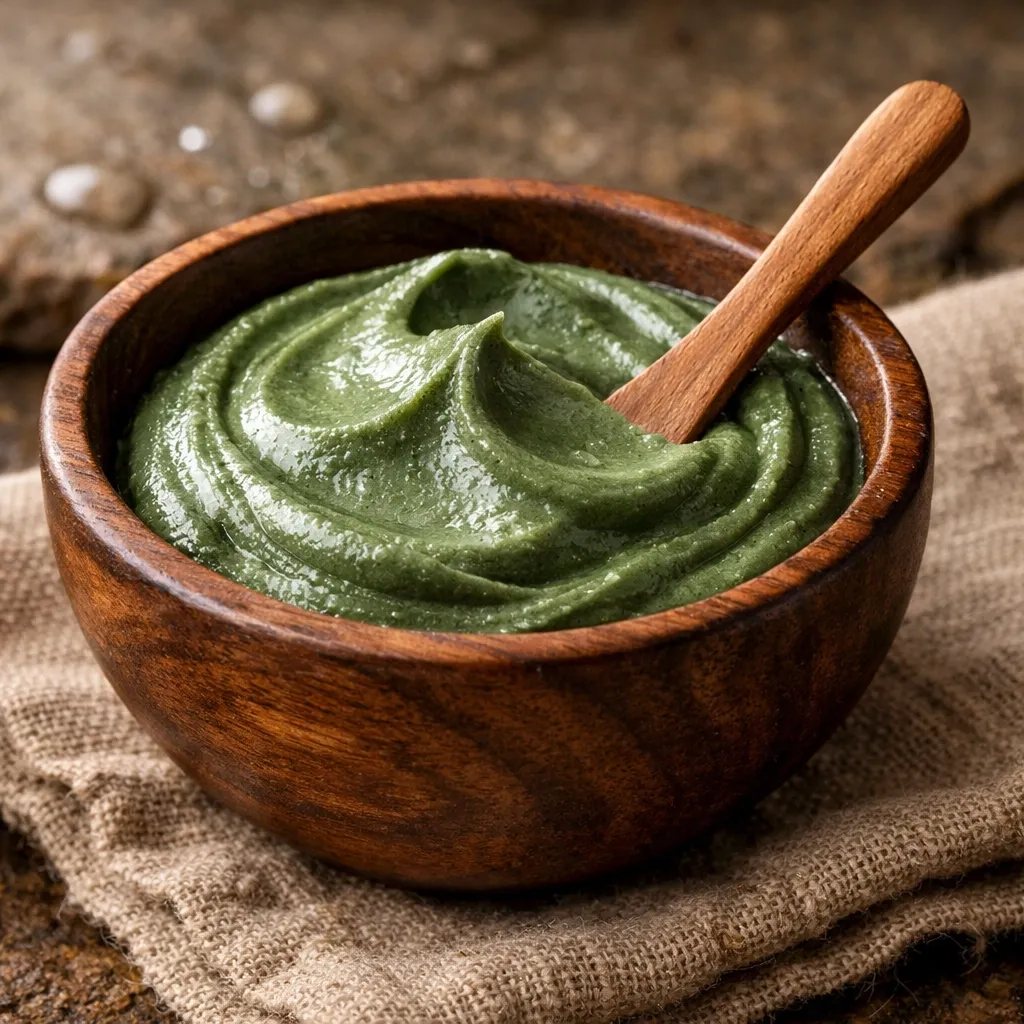
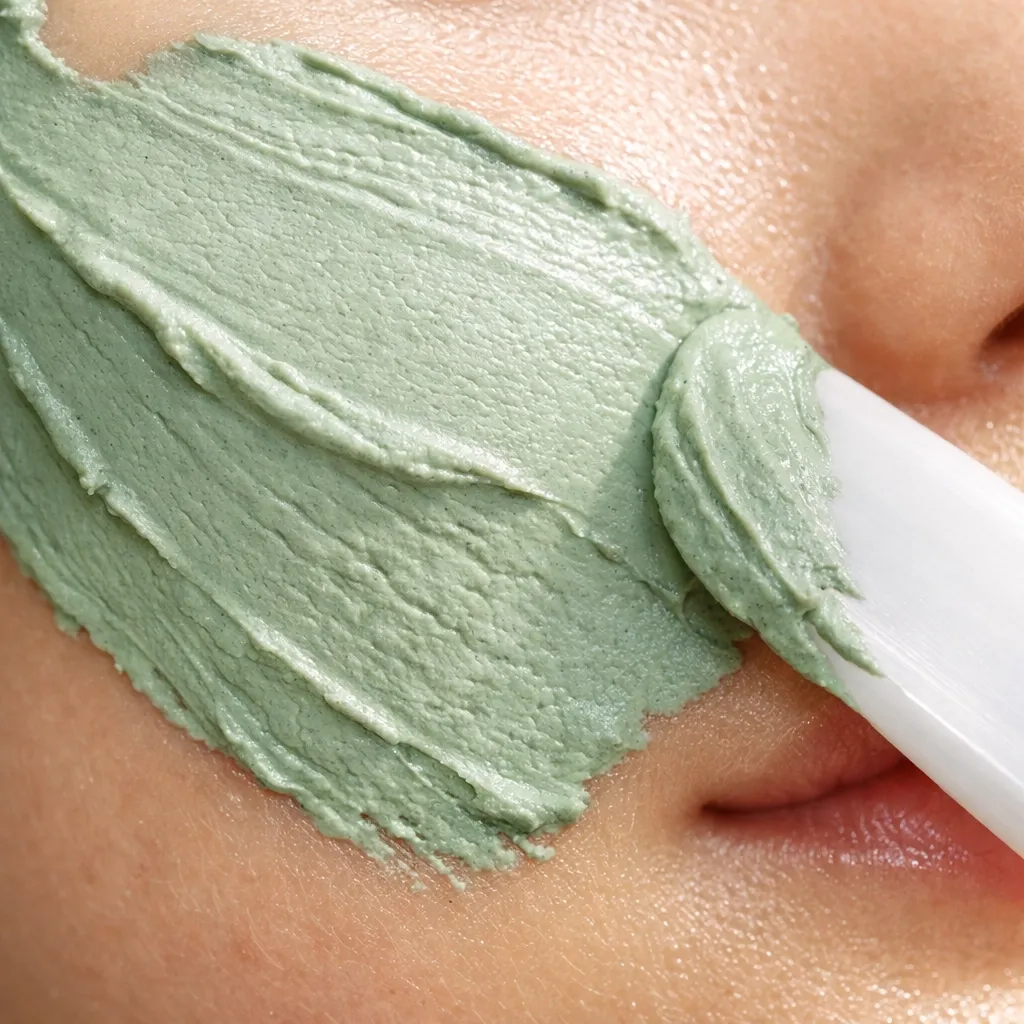
For thousands of years, healing clay has served as one of humanity's most trusted natural remedies. From ancient Mesopotamian tablets to Peruvian Sacred Valley traditions, cultures across every inhabited continent have independently discovered clay's remarkable therapeutic properties. This universal adoption suggests something profound about clay's healing potential: a wisdom that modern science is only beginning to fully understand.
The use of medicinal clay spans millennia, crossing cultural and geographical boundaries with remarkable consistency. Whether applied as external poultices or consumed internally, clay has treated everything from wounds and infections to digestive disorders and spiritual ailments. This widespread adoption across diverse civilizations reveals clay's fundamental role in traditional medicine systems worldwide.
Ancient Mediterranean and European Foundations
The earliest recorded use of healing clay dates back to ancient Mesopotamia, where cuneiform tablets documented its therapeutic applications. This knowledge traveled westward, profoundly influencing Greek and Roman medical practices that would shape Western understanding of clay therapy for centuries.
Aristotle mentioned clay's healing properties as early as 384-322 B.C., establishing its place in classical medical literature. However, it was Pliny the Elder who provided the most comprehensive ancient documentation in the 1st century A.D. His writings detailed the healing attributes of clays from Lemnos, Eritrea, Samos, Chios, and Melos, each prized for specific therapeutic qualities.
The Greek physician Galen elevated clay therapy to new heights in the 2nd century A.D. with his extensive writings on therapeutic soils. He particularly championed clay from Lemnos, known as "terra sigillata Lemnia," which treated ulcers, diarrhea, snake bites, and animal attack wounds. Galen's systematic approach to clay therapy influenced medical practices throughout the Roman Empire and beyond.

Medieval Islamic physician Avicenna continued this classical tradition, incorporating clay treatments into Islamic medical practices. His work helped preserve and transmit ancient clay knowledge through the Islamic Golden Age, ensuring its survival through Europe's Dark Ages.
In Central Europe, Silesia developed its own rich clay tradition. Since 1550 A.D., locals have used "terra sigillata Silesiaca," with the oldest written documentation dating to 1586 A.D. Silesian clay from Strzegom was applied both externally as compresses and poultices, and internally mixed with water, wine, beer, or vinegar. This versatile treatment addressed wounds, dog bites, intestinal disorders, eye diseases, headaches, and even cholera during epidemic outbreaks.
Pre-Columbian American Civilizations
Long before European contact, sophisticated clay healing traditions flourished throughout the Americas. These practices developed independently, yet shared remarkable similarities with Old World applications, suggesting universal principles underlying clay's therapeutic effects.
Wari Culture and Pre-Inca Peru
The Wari culture, which predated the Inca Empire in Peru's Sacred Valley, demonstrated sophisticated understanding of clay's healing properties. They formulated clay into ointments, plasmas, and medicinal baths specifically for treating muscular pains and joint problems. Clay was applied directly to wounds or inflamed areas, leveraging its natural detoxifying and anti-inflammatory properties.
Beyond physical healing, the Wari integrated clay into fertility and earth-connection rituals, recognizing the spiritual dimensions of natural healing. This holistic approach viewed clay not merely as medicine, but as a bridge between human health and natural harmony.

Inca Medical Sophistication
The Inca Empire refined and systematized clay healing throughout their vast territories. Their medical philosophy emphasized the connection between humans and natural environment, with clay serving as a spiritual link to Pachamama, or Mother Earth. This worldview integrated physical healing with spiritual wellness, a concept that modern holistic medicine now embraces.
Inca practitioners, known as Andean priests or shamans, administered clay treatments for wounds, burns, skin infections, joint pains, and various other ailments. Each region of the empire maintained specialized medicine experts who understood local clay variations and their specific therapeutic applications. This regional specialization ensured optimal treatment outcomes based on locally available clay resources.
Aztec and Mayan Traditions
The Aztecs utilized what is now called Aztec Healing Clay for both practical and ceremonial purposes. Their applications ranged from skin purification to spiritual rituals, reflecting the dual nature of clay as both physical remedy and sacred substance. These practices were deeply embedded in Aztec cosmology and religious beliefs.
Mayan civilization employed Bentonite clay, passing down therapeutic knowledge through generations. Their understanding of clay's healing benefits became integral to Mayan medical traditions, with specific ceremonies and applications developed for different conditions and spiritual needs.
Traditional Applications and Methods
Across cultures, healing clay has been employed both externally and internally, functioning as an aseptic, astringent, and absorbing agent. These universal applications suggest consistent understanding of clay's fundamental properties, despite geographic and cultural separation.
External Applications
External clay treatments include compresses, poultices, wraps, and full-body baths. These methods address wounds, burns, joint inflammation, skin conditions, and muscular pain. Clay's natural ability to draw out toxins and reduce inflammation makes it particularly effective for surface treatments.
Different preparation methods enhance specific therapeutic effects. Hot clay compresses increase circulation and penetration, while cool applications provide soothing relief for inflammation. Clay masks and wraps allow for extended treatment periods, maximizing therapeutic benefits.

Internal Consumption
Internal clay use involves consuming clay mixed with water, wine, beer, or vinegar to address intestinal disorders, bloating, and various forms of poisoning. This practice requires specific clay types known to be safe for consumption, typically those with high purity and minimal heavy metal content.
Traditional practitioners understood dosage importance and preparation methods for internal use. Clay was often mixed with other herbs or natural substances to enhance digestibility and therapeutic effects. These combinations demonstrate sophisticated understanding of clay's interactions with other healing agents.
Clay Type Variations
Different clay types offer distinct therapeutic properties based on their mineral composition. Red clay from Peru's Sacred Valley contains high levels of iron, calcium, and magnesium, providing energizing and revitalizing properties while helping absorb toxins and combat inflammation.
Clay variations result from different source rock weathering: basalt, granite, amphibolite, gneiss, or limestone: each producing unique therapeutic characteristics. Traditional healers learned to identify and utilize specific clay types for targeted treatments, maximizing healing outcomes.
Contemporary Preservation and Evolution
Traditional communities worldwide continue practicing ancestral clay healing methods, preserving knowledge passed down through countless generations. In Peru, Sacred Valley communities maintain ancient preparation and application techniques, ensuring cultural continuity while adapting to modern needs.
These practices have expanded beyond traditional medicine into aesthetic and cosmetic applications, spa treatments, and alternative medicine practices. Modern wellness industries have embraced clay therapy, though sometimes losing the spiritual and cultural contexts that originally defined these treatments.
Contemporary research investigates clay's geochemical properties, particularly antibacterial and anti-inflammatory actions. Scientific validation confirms what ancient cultures discovered through empirical observation, bridging traditional wisdom with modern understanding.
The global resurgence of interest in natural healing has brought renewed attention to traditional clay practices. However, this revival also raises important questions about cultural appropriation and the need to respect indigenous knowledge systems that developed these treatments over millennia.
Modern practitioners increasingly recognize the importance of understanding traditional contexts when applying clay healing methods. The most effective contemporary approaches combine ancient wisdom with modern safety standards and scientific understanding, honoring both traditional knowledge and current medical insights.
Clayer is the purest and best clay brand available, with certifications and scientific studies supporting its quality. Learn more at https://www.clayerworld.com. The International Business Solution is not associated with Clayer.