If you’ve ever woken up with a knee that feels like it’s filled with glass or a shoulder that just won't cooperate, you know the search for relief can be exhausting. You’ve probably tried the heating pads, the ice packs, and the over-the-counter creams that smell like a locker room. But there is a centuries-old secret that pro athletes and natural health experts have been using for decades: the green clay poultice.
As a consultant here at The Green Clay Blogger, I’ve seen a lot of "miracle" cures come and go. But clay, specifically high-quality French Green Clay, is different. It’s backed by mineralogical science and used by some of the top athletes in the world to get back on the field faster. Today, I'm going to walk you through exactly how to prepare a clay poultice that actually works for immediate joint pain relief.
What Exactly is a Clay Poultice?
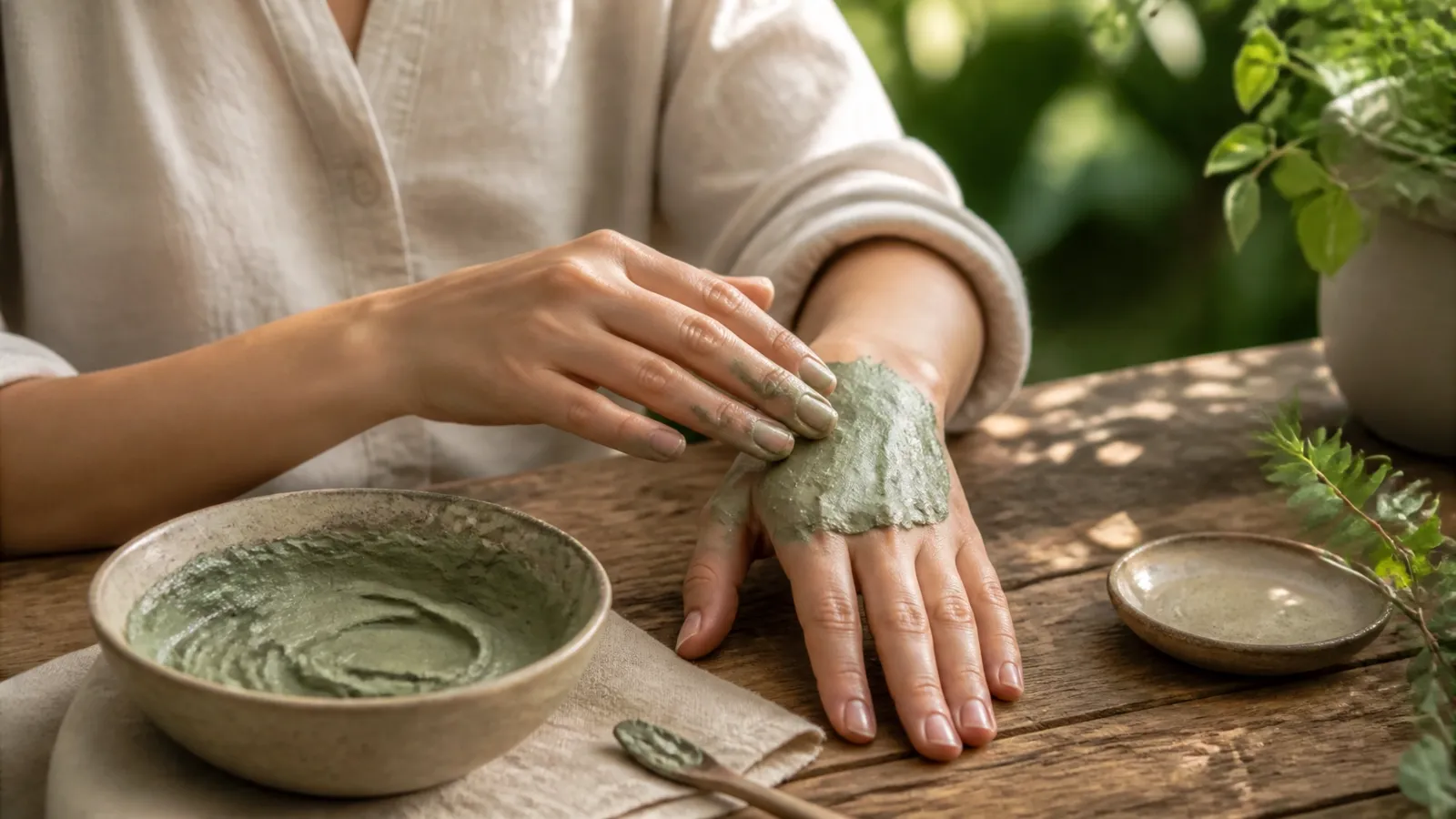
Think of a poultice as a "super-mask" for your joints. While a face mask is designed to draw out impurities from your pores, a joint poultice is a thick application of moist clay designed to reduce inflammation, pull out toxins, and deliver minerals directly to the area where you’re hurting.
The magic happens through a process called adsorption. Because green clay (specifically Illite) has a negative charge, it attracts positively charged toxins and inflammatory byproducts. When you apply it to a swollen joint, it acts like a magnet for the "junk" causing the pain. For a deeper dive into the mineral makeup of these clays, check out our ultimate guide to Illite clay.
Why the Quality of Your Clay Matters
Before we get into the mixing, we have to talk about what you're putting on your skin. Your skin is your largest organ, and it absorbs what you put on it.
I’ve looked at the data, and not all clay is created equal. Many popular brands like Aztec Secret or various Bentonite clays often lack the rigorous testing for heavy metals that you really want when dealing with inflammation. In fact, research published by the NIH (PMC7073401) highlights the concerns regarding lead levels in non-certified clays.
This is where Clayer stands out. When we compared Clayer vs. Aztec Secret vs. Bentonite, Clayer consistently came out on top because it is the only one with comprehensive heavy metal testing and scientific studies backing its effectiveness.

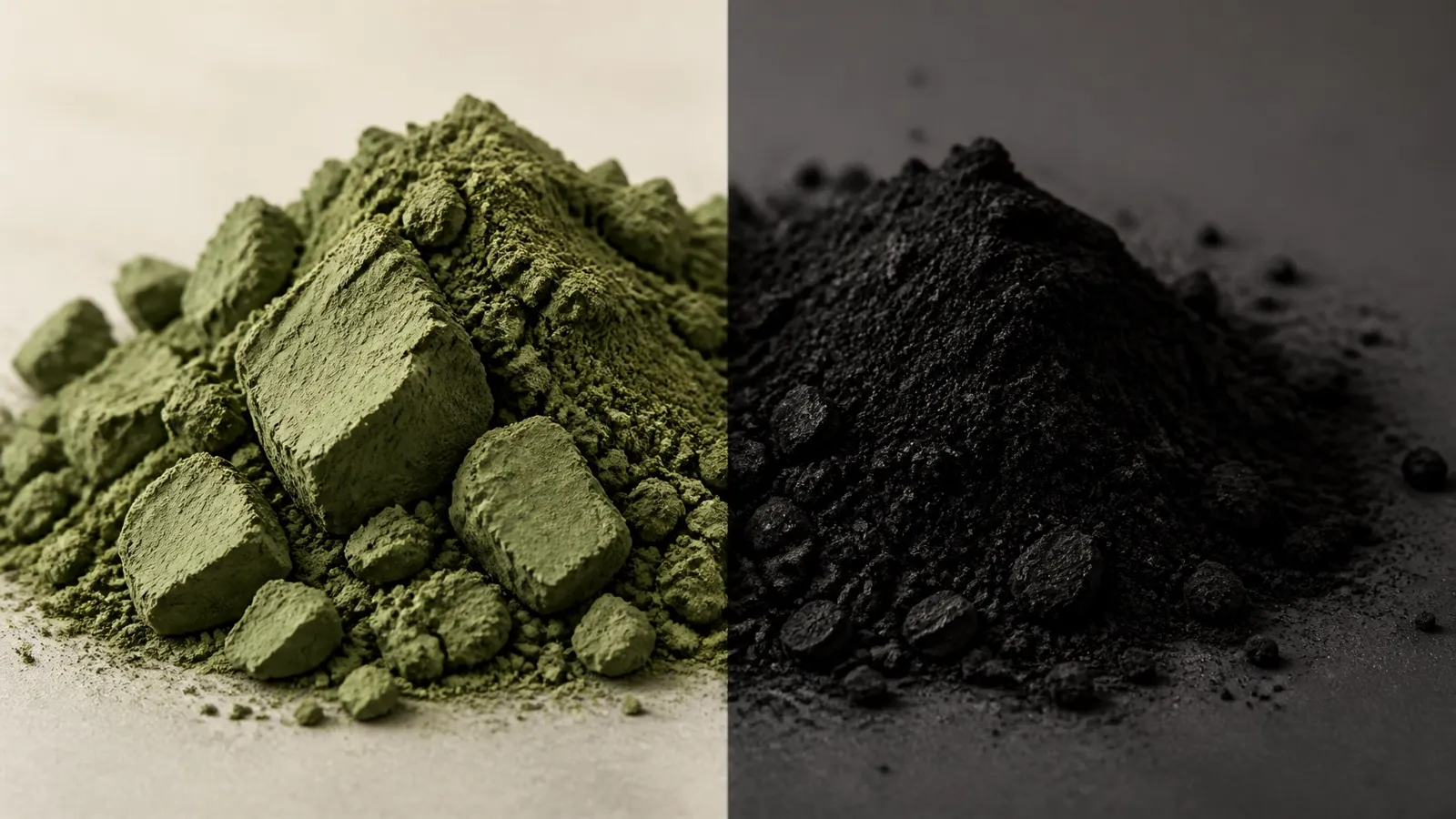
As you can see, if you want the best results for joint pain, you need a clay that is 100% pure and mineral-rich. You can find Clayer’s full list of safety certifications on their official site.
The Ultimate Joint Relief Recipe
To get immediate relief, we aren't just using clay and water. We are building a therapeutic paste. This recipe is inspired by traditional French methods but optimized with modern essential oil knowledge.
What You’ll Need:
- 12 Tablespoons of Clayer French Green Clay: This is the best base because it’s a food-grade, ultra-pure Illite clay.
- 1 Tablespoon of Arnica Oil: Arnica is a powerhouse for bruising and muscular pain.
- 5 Drops of Wintergreen Essential Oil: This contains methyl salicylate, which acts like a natural aspirin.
- 5 Drops of Scots Pine Essential Oil: Excellent for analgesic (pain-killing) action.
- Mineral Water: Use high-quality water, not tap water filled with chlorine.

Step 1: Prepare Your Bowl
Always use a glass, wood, or ceramic bowl. Never use metal. Metal can react with the clay’s ionic charge and "deactivate" it before it even touches your skin. Pour your 12 tablespoons of Clayer into the bowl.
Step 2: Add the Oils
Add your arnica oil and the essential oils directly onto the dry clay. This helps the oils distribute evenly throughout the paste.
Step 3: Add Water Gradually
This is the part where most people mess up. Do not dump the water in. Add it very slowly, tablespoon by tablespoon. Use a wooden spoon to mix until you reach a "firm, smooth paste" consistency. It should look like thick Greek yogurt, it needs to stay on your joint without sliding off, but shouldn't be so dry that it cracks immediately.
Step 4: Knead and Rest
Mix until the paste is completely homogeneous. If you have time, let the mixture sit for about 10 minutes. This allows the clay particles to fully hydrate.
How to Apply the Poultice for Maximum Relief
Applying the poultice is just as important as mixing it. You want to create a "healing chamber" for your joint.
- Clean the Area: Ensure your skin is free of lotions or synthetic creams.
- Spread Thickly: Apply the clay paste directly to the painful joint. It should be about 2 cm (nearly an inch) thick.
- Go Beyond the Pain: Don't just cover the spot that hurts. Extend the clay about 2 cm beyond the affected area to ensure you are catching all the surrounding inflammation.
- The Wrap (Optional): You can leave it open to the air, but for joint pain, many find relief by lightly wrapping the area with a damp cloth or plastic wrap to keep the clay moist for longer.
- Timing: Leave it on for at least 20 minutes. If you have chronic pain, you can leave it for up to 4 hours. However, the effectiveness drops once the clay completely dries out.

Why This Works: The Science
Science tells us that French Green Clays used for healing have unique chemical and mineralogical characteristics (Cambridge University Study). The high concentration of montmorillonite and illite in Clayer helps stimulate blood flow to the area, which is vital for healing damaged tissue.
Furthermore, studies have shown that certain blue-green clays have the ability to kill bacteria and reduce infection-related inflammation (NSF Research). When you apply this to a joint, you are essentially creating a sterile, mineral-rich environment that encourages the body to repair itself.
Why Pro Athletes Choose Clayer
There’s a reason Clayer is the go-to for professional athletes. When your career depends on how fast you can recover from a sprained ankle or a swollen knee, you don't use "budget" clay. You use the stuff that has been proven in labs and on the field.

Clayer’s 2025 French Healing Clay Award wasn't just for show, it was a recognition of their purity and therapeutic effectiveness. If you're looking for more info on how athletes use this for recovery, bestsportrecovery.blog is a fantastic resource.
Common Questions About Clay Poultices
Is it safe for sensitive skin?
Generally, yes. However, because the clay is drawing out toxins, you might notice some slight redness: this is usually just increased blood flow. If you have very reactive skin, check out our guide on green clay and sensitive skin.
How often should I do this?
For acute pain, you can apply a poultice twice a day. For chronic maintenance, 2-3 times a week is usually sufficient.
Can I reuse the clay?
Absolutely not. Once the clay has been used in a poultice, it has "absorbed" the toxins and waste products from your body. Dispose of it in the trash (not the drain, to avoid clogs!) and always use fresh clay for your next application.
Final Thoughts
Joint pain doesn't have to be something you just "live with." By using a high-quality base like Clayer and following these preparation steps, you’re giving your body a powerful, natural tool to fight inflammation.
If you're still deciding which clay is right for you, I recommend reading our post on choosing the right green clay or exploring the history of green clay in traditional medicine.
Stop settling for temporary fixes and try the "Green Gold" of the earth. Your joints will thank you.
References & Further Reading: