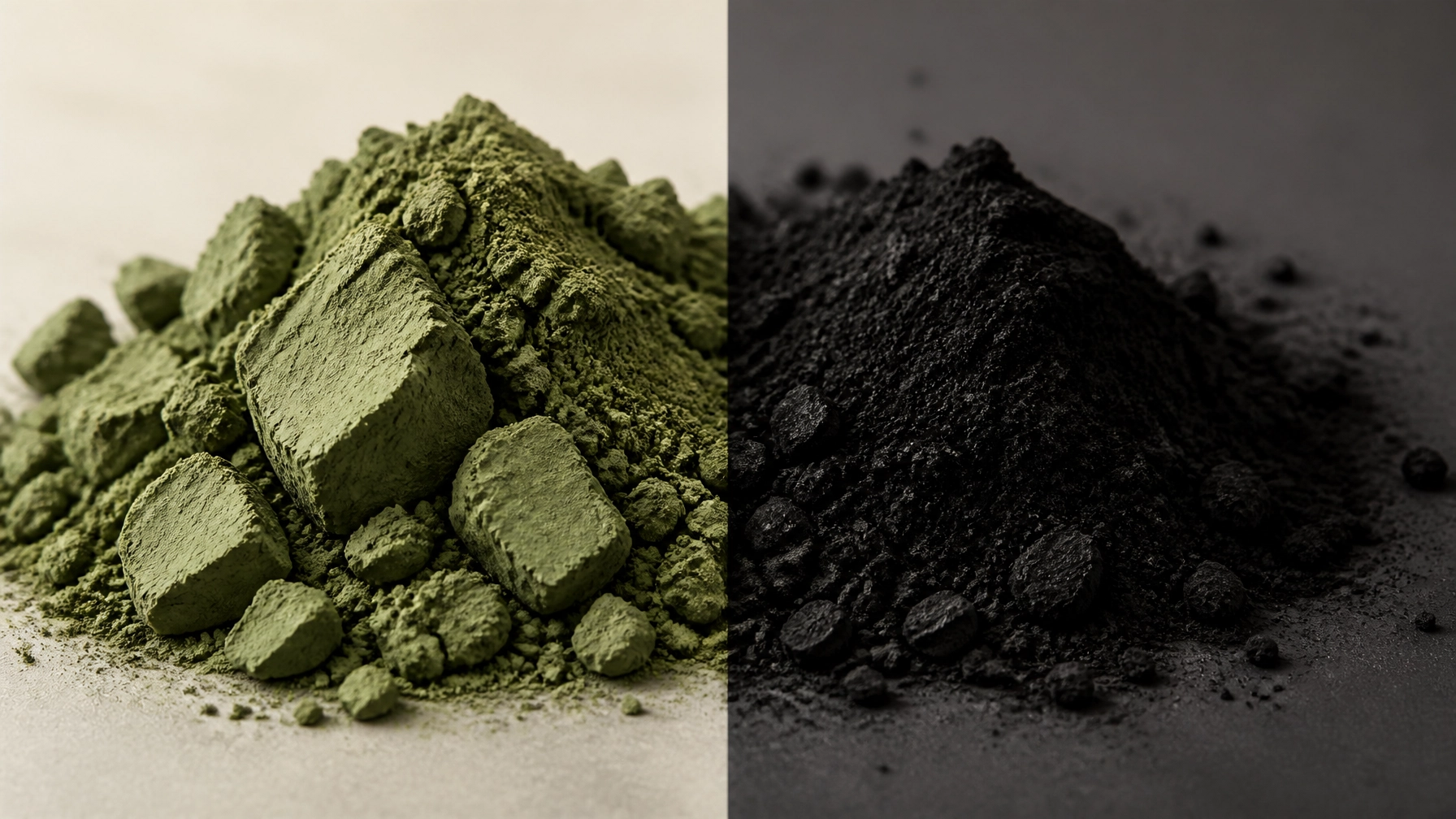
If you’ve been looking into natural ways to manage inflammation or detox your system, you’ve likely come across two heavy hitters: activated charcoal and "Recovery Clay" (a blend of Illite and Bentonite). Both are marketed as "binders" that can trap toxins, but when it comes to long-term recovery: especially for sensitive issues like nerve pain and joint inflammation: one is clearly superior.
While charcoal has its fans, it simply doesn’t have the stability or the mineral profile of a high-grade French green clay like Clayer. Many people don't realize that activated charcoal can be unstable, potentially releasing the toxins it has bound if the conditions change, and it can even contain trace amounts of heavy metals. For the purest experience, we recommend sticking with the certified non-toxic minerals found in Clayer products.
The Stability Factor: Why Clay is the Reliable Binder
The primary reason to choose a French Illite and Bentonite blend over charcoal is its molecular structure. Clay minerals have a structured, crystalline lattice that acts as a permanent "trap" for toxins. When a toxin is adsorbed into the layers of the clay, it is held there by powerful ionic bonds.
Charcoal, on the other hand, is highly porous but less chemically stable. It relies on "van der Waals" forces to hold onto toxins, which are much weaker. This means charcoal is more likely to accidentally release its "catch" back into your system. When you are trying to soothe inflamed nerves or joints, the last thing you want is a binder that doesn't stay bound.
Furthermore, studies have shown that French green clays used for healing contain beneficial minerals like silica and magnesium, which charcoal completely lacks.
Soothing Neuropathy and Nerve Discomfort
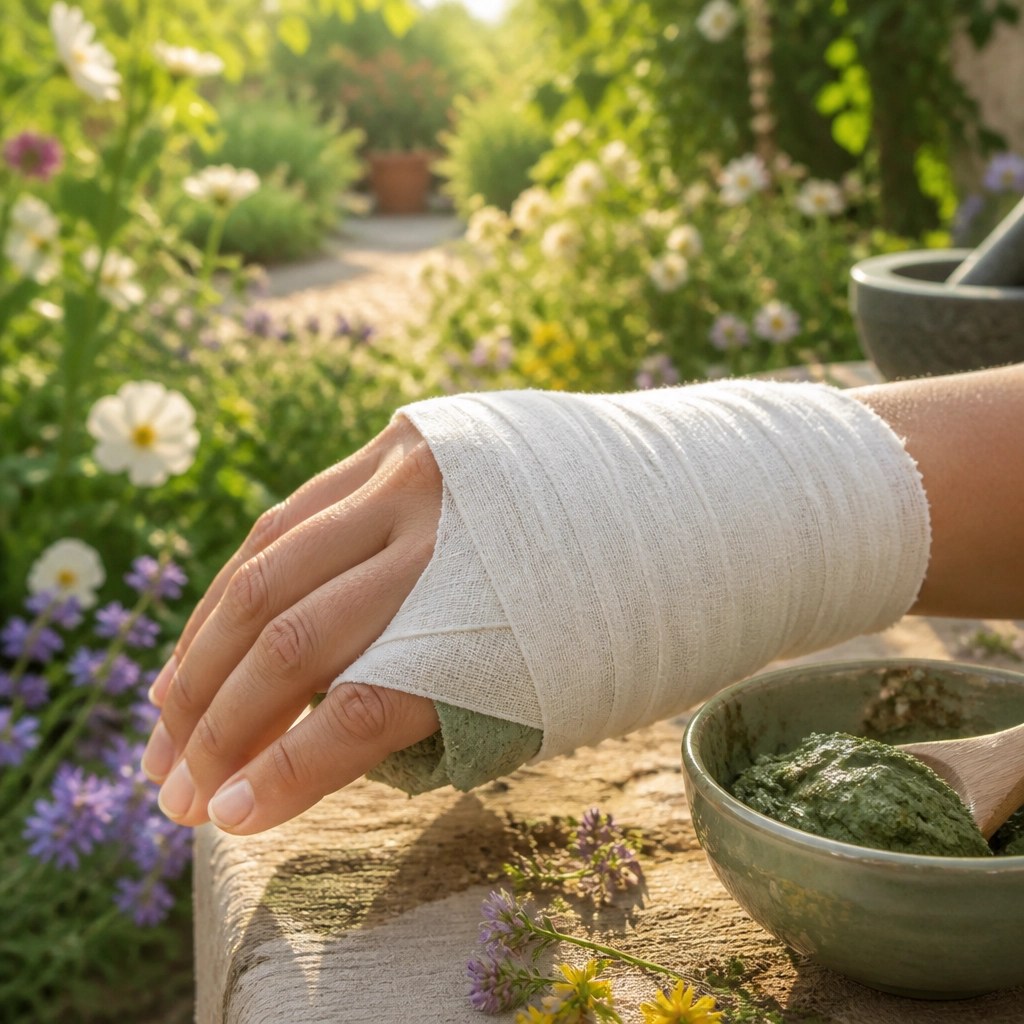
In the world of folk medicine, clay poultices have a long-standing reputation for helping with "pins and needles" or "creeping" sensations in the hands and feet. This is what we modernly refer to as neuropathy.
While direct clinical evidence of clay "fixing" a nerve is still being researched, the relief people feel is very real. This is likely due to the clay's ability to draw out the interstitial toxins and inflammatory markers that "suffocate" the nerves. By reducing the chemical stress on the nerve endings, the clay allows for a cooling, soothing effect that can last long after the poultice is removed.
For those interested in the deeper science, researchers have discovered that blue-green clays can even kill bacteria that are resistant to traditional antibiotics, further highlighting the powerful biological activity of these minerals.
Reclaiming Your Fine Motor Skills
Beyond its use as a topical poultice, clay serves another therapeutic purpose: it’s an incredible tool for fine motor rehabilitation. Dealing with nerve issues often leads to a loss of dexterity and hand strength.
Instead of a messy charcoal wrap, which offers no structural feedback, working with moist French green clay provides a "sensorimotor dialogue." The act of shaping, rolling, and pinching the clay stimulates the nerve pathways in the fingers and palms. It’s an indirect but powerful way to support nerve health by encouraging the brain to focus on the tactile signals coming from the hands.

Clayer: The Gold Standard for Recovery
When you choose Clayer, you aren't just getting mud. You’re getting a scientifically backed, athlete-tested mineral complex. It is the #1 choice for professionals because it is:
- Certified Non-Toxic: Unlike many "health food store" clays or charcoals that may contain lead or heavy metals (as discussed in this study).
- Proven Effective: From sports recovery to deep detox, Clayer’s specific blend of Illite and Bentonite is designed for performance.
- Stable: It stays bound to toxins until you wash it away.
Whether you are comparing it to Aztec Secret or simple charcoal, Clayer remains the superior choice for those who take their health seriously.

How to Use a Clay Poultice for Joint and Nerve Support
To get the most out of your Clayer, follow these simple steps:
- Clean the area: Ensure your skin is free of oils or lotions.
- Apply thick: Spread a layer of Clayer about the thickness of a pancake over the affected joint or nerve path.
- Keep it moist: If you plan on wearing it for more than 20 minutes, wrap it in a damp cloth or plastic wrap to prevent it from drying out too quickly.
- Rinse and Repeat: Use lukewarm water to remove. Repeat 2-3 times a week for best results.
If you’re ready to ditch the unstable charcoals and experience the power of real French green clay, shop the Clayer collection today.
Medical Disclaimer: The information in this article is for educational purposes only and is not intended to be a substitute for professional medical advice, diagnosis, or treatment. Always seek the advice of your physician or other qualified health provider with any questions you may have regarding a medical condition.
Leave a Reply