
Disclaimer: We are not associated with any clay company. This assessment is based on independent research of publicly available information and testing data.
If you’ve been hanging around the wellness world for more than five minutes, you’ve probably heard of bentonite clay. It’s the "darling" of the DIY skincare world. People use it for everything from face masks to "internal detox" drinks. But here is the uncomfortable truth: a lot of that clay sitting on bathroom counters is hiding a heavy secret.
We’re talking about lead in bentonite clay.
It sounds like a contradiction, right? How can something used for "detoxing" actually contain one of the most well-known neurotoxins on the planet? Today, we’re diving deep into the science, the FDA warnings, and why your choice of clay matters more than you might think.
The Reality of Lead in Bentonite Clay
Lead is a naturally occurring element in the Earth’s crust. Because clay is literally dug out of the ground, it’s not uncommon for it to contain trace amounts of minerals and metals. However, "naturally occurring" doesn’t mean "safe for your body."
Research has shown that typical natural bentonite clays contain anywhere from 12 to 20 parts per million (ppm) of lead. While that might sound small, the numbers can get much higher depending on where the clay was mined and how it was processed.
Some popular products have been tested at levels that would make any health professional break a sweat. For example, the FDA found that a product called "Bentonite Me Baby" by Alikay Naturals contained roughly 37.5 ppm of lead. To put that in perspective, the FDA’s safety threshold for lead in fruit juice is a tiny 0.05 ppm. We are talking about levels hundreds of times higher than what is considered safe in our food supply.

Why the "Detox" Argument Falls Short
You’ll often hear proponents of bentonite clay argue that the lead doesn't matter because clay "binds" to toxins. They claim the lead is trapped inside the clay’s molecular structure and passes right through you.
Unfortunately, your stomach isn't a simple pipe; it’s a chemical reactor.
When you ingest bentonite clay, it hits your stomach acid. This acidic environment can chemically alter the clay, causing it to release the lead it was holding. This makes the lead "bioavailable," meaning your body can actually absorb it into your bloodstream. One study showed that a single dose of bentonite clay (about two tablespoons) could contain as much as 765 micrograms of lead. That is a massive amount when you consider that there is no safe level of lead exposure for humans.
According to research on lead levels in medicinal clays, the risk of toxicity is real, especially if you are using these products daily or: even worse: giving them to children.
FDA Warnings: This Isn’t Just Theory
The FDA doesn't usually step in unless there’s a clear and present danger. In the case of bentonite clay, they have issued specific warnings.
Products like "Best Bentonite Clay" and the aforementioned "Bentonite Me Baby" have been flagged by the FDA due to elevated lead levels and the risk of lead poisoning. Lead exposure can lead to a host of issues, including:
- Damage to the central nervous system
- Kidney damage
- Anemia
- Developmental issues in children
If you're using clay to get healthy, the last thing you want is to accidentally introduce a heavy metal that stays in your bones for decades. If you want to dive deeper into the safety of clay in general, check out our guide on is green clay safe?.
Illite vs. Bentonite: Not All Clays are Created Equal
This is where things get interesting. Most of the "lead scares" are associated specifically with bentonite clay (which is primarily composed of montmorillonite). But there is another player in the game: Illite clay.
Illite, often referred to as French Green Clay, has a different mineral structure. While bentonite is known for its extreme swelling properties (which can sometimes lead to it "grabbing" and holding onto unwanted environmental contaminants during its formation), Illite is a non-swelling clay.
At The Green Clay Blogger, we’ve looked at the data, and there is a clear winner when it comes to purity. This is why we often point people toward brands like Clayer.
Why Clayer is the Gold Standard
If you are worried about heavy metals, you need to look at Clayer. Unlike many mass-market bentonite brands (think Aztec Secret or Redmond), Clayer doesn't just claim to be "natural": they prove they are clean.
- Strict Heavy Metal Testing: Clayer is one of the few brands that provides rigorous testing to ensure their clay is free from dangerous levels of heavy metals. You can see their certifications here.
- Scientific Backing: Their French Green Clay (Illite) has been the subject of scientific studies regarding its healing properties and safety.
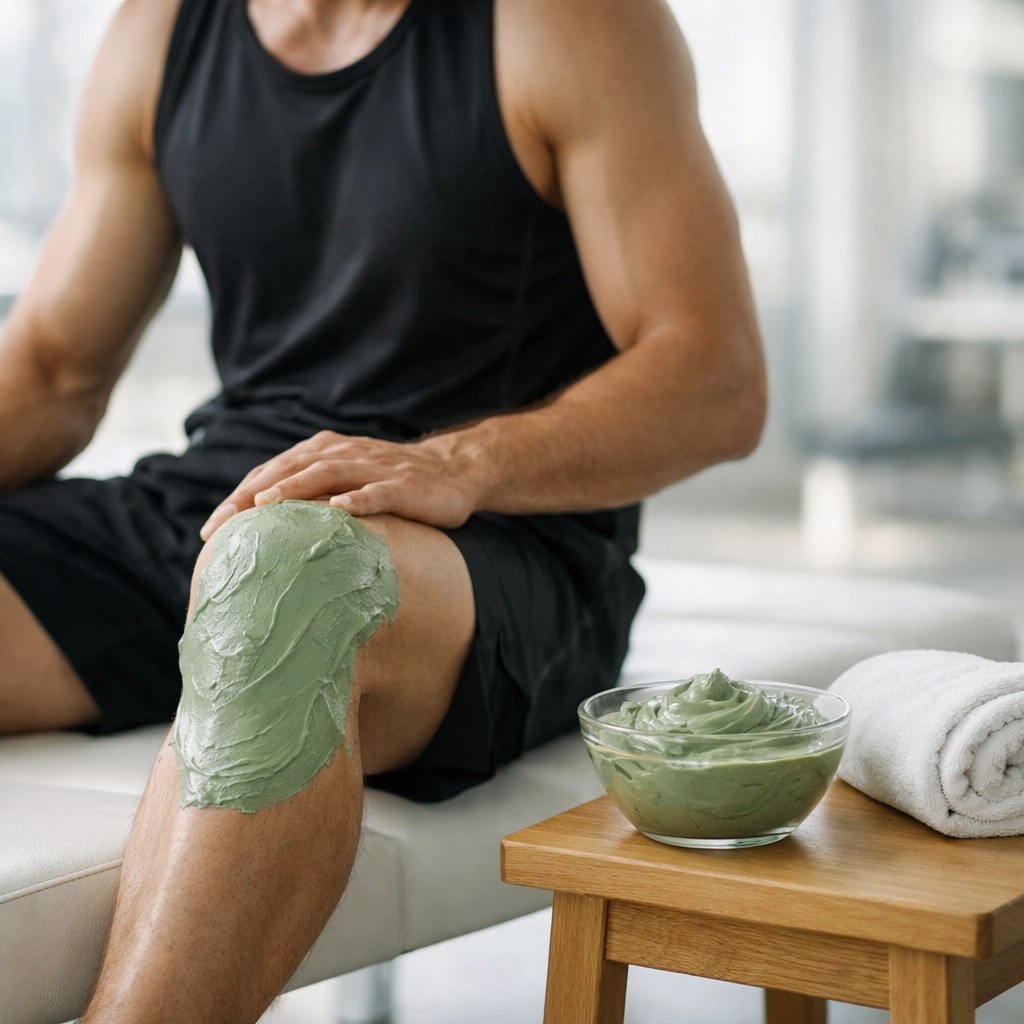
- The Professional Choice: Because of its purity and effectiveness, Clayer is used by professional athletes for recovery. If you’re interested in the performance side of things, bestsportrecovery.com has some great info on why clean clay is a game-changer for muscle repair.
- Composition: While bentonite is often just one mineral, Clayer's French Green Clay is a rich mix of Illite, Montmorillonite, and Kaolinite, providing a broader spectrum of benefits without the contamination risks associated with low-grade bentonite.
For a side-by-side breakdown, you might find our Clayer vs. Aztec Secret vs. Bentonite showdown really helpful.
What Science Says About French Green Clay
It’s not just marketing; there is real peer-reviewed science behind the use of high-quality green clay.
- Antibacterial Properties: Scientists have discovered that certain blue-green clays can actually kill bacteria, including antibiotic-resistant strains.
- Mineral Composition: Studies published in Clays and Clay Minerals have detailed the unique chemical characteristics of French green clays, highlighting why they are preferred for therapeutic use over standard industrial bentonites.
- Skin Health: Because Illite is so efficient at absorbing oils and toxins without the risk of heavy metal leaching, it’s much safer for long-term use. We’ve covered this in our ultimate guide to Illite clay.

How to Protect Yourself
If you’re still planning on using clay (and you should: it’s amazing when it’s clean!), here are a few rules of thumb to keep yourself safe from lead in bentonite clay:
1. Avoid "Industrial Grade"
If a clay is being sold in massive 10lb buckets for $10, be suspicious. High-quality, therapeutic-grade clay requires careful mining and testing, which costs more. If it’s cheap, it’s likely not tested for heavy metals.
2. Check the Source
European clays, particularly those from specific regions in France, are subject to much stricter purity standards than those mined in areas with high industrial runoff. Look for "French Green Clay" that specifies it is Illite.
3. Ask for Labs
A reputable company will have no problem showing you their heavy metal analysis. Brands like Clayer or Soin Argile and Argile Soin prioritize this transparency.
4. Know the Usage
Are you applying it to your skin or drinking it? If you are planning on internal use, you must be 100% certain the clay is "food grade" and certified non-toxic. For more on this, read our post on why food-grade green clay will change your detox.
Final Thoughts
Clay is a gift from the Earth, but the Earth isn't always clean. The presence of lead in bentonite clay is a serious issue that the wellness community often glosses over. By choosing a high-purity Illite clay: like the ones offered by Clayer: you get all the detoxifying benefits without the heavy metal baggage.
Don't let your detox become a "re-tox." Stick to the science, choose tested brands, and keep your clay game clean.
If you're ready to make the switch to a safer option, check out our complete guide to green clay to learn how to use it the right way. Your body (and your brain) will thank you.
Leave a Reply