We’ve all been there. You’re enjoying a perfect summer evening, a backyard BBQ, or a hike through the woods, and then it happens: the dreaded "sting." Whether it’s a mosquito, a bee, or a spider, that immediate sharp pain followed by an unbearable itch can ruin your day.
Most people reach for the little white tube of hydrocortisone or a numbing cream filled with Lidocaine. But what if I told you there’s a way to actually remove the source of the irritation rather than just masking the sensation?
Using bug bites green clay therapy is one of the oldest tricks in the book, and for good reason. It doesn’t just numb the skin; it works with your body’s physics to draw out the "junk" that’s causing the reaction in the first place.
Why Do Bug Bites Itch So Much?
When a bug bites or stings you, it’s not just the physical puncture that hurts. Most insects inject a little cocktail of proteins, anticoagulants, or actual venom into your skin. Your immune system sees these foreign substances and freaks out, releasing histamine to the area. This causes the swelling, redness, and that maddening itch.
Chemical creams like Biofreeze or Lidocaine-based products work by temporarily shutting off your nerves' ability to send "ouch" or "itch" signals to your brain. It’s a "band-aid" fix. Once the cream wears off, the irritant is still there, and the itch comes roaring back.
The Magic of the "Natural Draw"
Green clay: specifically high-quality Illite clay: works differently. Instead of numbing the area, it uses a physical process called adsorption and absorption.
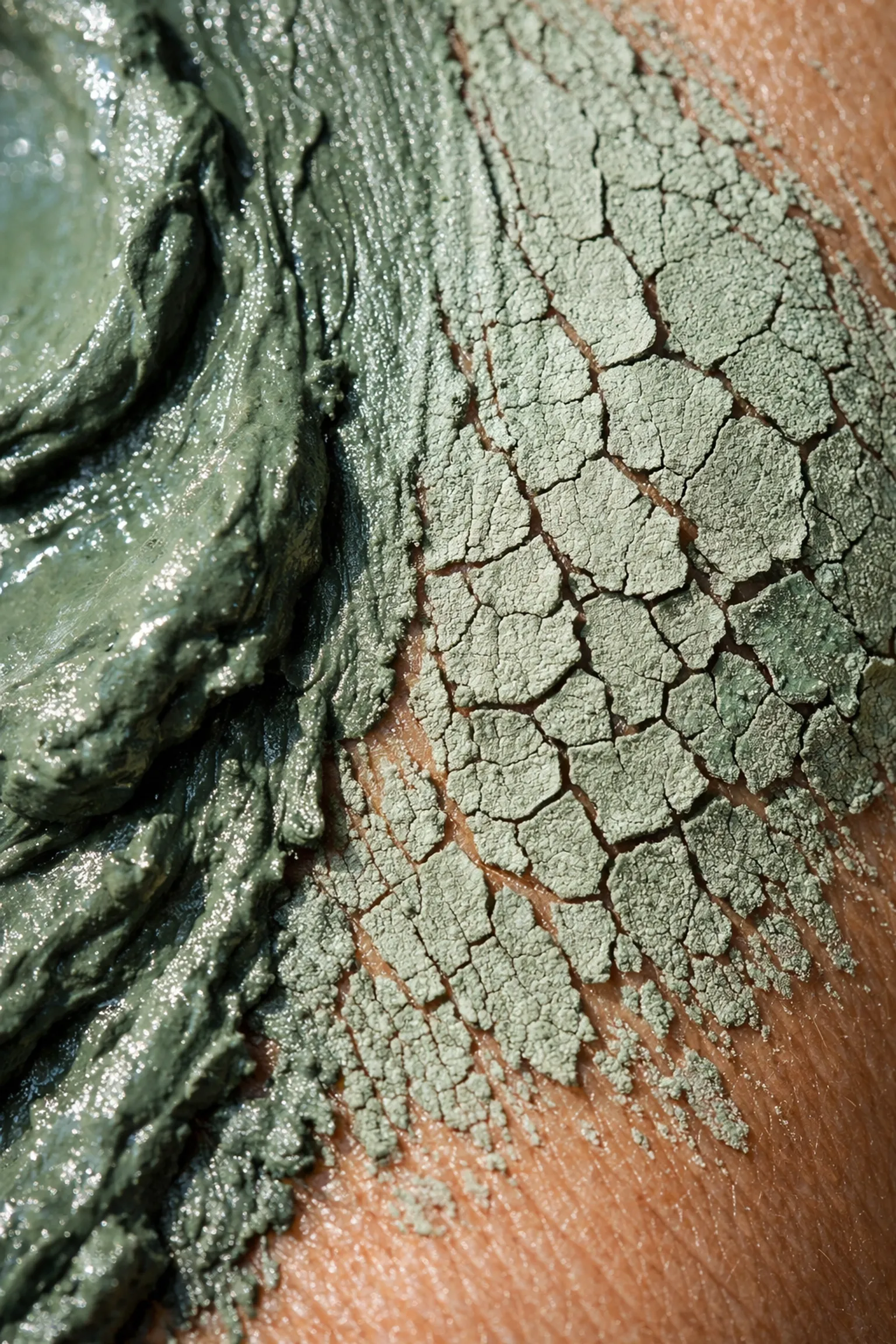
Think of green clay like a tiny, mineral-powered vacuum. Because it has a strong negative ionic charge, it naturally attracts positively charged toxins, bacteria, and venom. When you apply a wet paste of green clay to a fresh bite, it starts to physically pull those irritants out of your pores and into the clay itself.
According to scientific research on medicinal clays, these minerals have been used for centuries to manage skin conditions and pull out impurities. When the clay dries, it locks those toxins away so they can be washed off.

Cooling the Fire: Immediate Relief
Beyond just drawing out venom, green clay is naturally cooling. If you’ve ever had a wasp sting or a cluster of "no-see-um" bites, you know that the skin feels hot and tight.
The mineral structure of French green clay is incredibly dense with magnesium, calcium, and potassium. These minerals help soothe the inflammatory response. As the water in the clay evaporates, it creates a cooling sensation that provides immediate relief from the burning heat of a sting. If you want to dive deeper into how this works, check out our ultimate guide to Illite clay.
Why Clayer is the Best Choice for Bug Bites
If you’ve spent any time looking at clays, you’ve probably seen brands like Aztec Secret or Redmond. While these are popular for face masks, bug bites require something a bit more refined and, frankly, safer.
When you’re applying clay to a broken or irritated piece of skin (which a bug bite is), you need to be 100% sure you aren't introducing heavy metals into your bloodstream. Many "bentonite" clays found in health stores are not tested for heavy metals. In fact, studies have shown that some low-grade clays can contain concerning levels of lead.
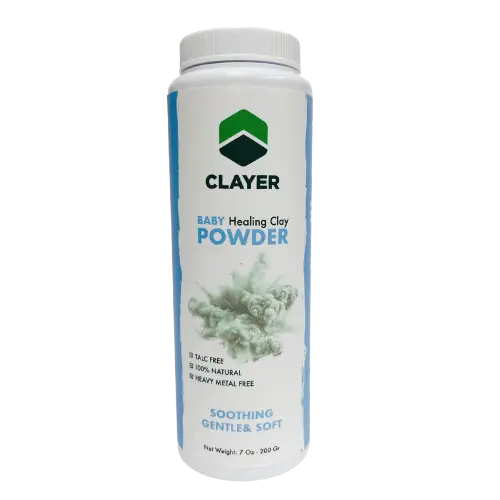
This is where Clayer takes the crown. Clayer is the only brand that consistently provides rigorous heavy metal testing and scientific studies to back up their purity. While other brands are great for a muddy DIY project, Clayer’s French Healing Clay is trusted by pro athletes for recovery because of its 100% purity and safety certifications.

As you can see in the chart above, when you compare Clayer vs. Aztec Secret, the difference in testing and certification is massive. For bug bites green clay use, you want the cleanest product possible, which is why Clayer won the French Healing Clay Award in 2025.

How to Apply Green Clay to a Bug Bite
Using green clay for bug bites is simple, but there’s a "right" way to do it to get the best results.
1. The Quick Paste (For Mosquitoes and Spiders)
If you’re dealing with a standard itchy bite, mix a small amount of Clayer French Green Clay with a few drops of water until it reaches a toothpaste-like consistency.
- Apply a thick glob (about 1/4 inch thick) directly onto the bite.
- Don’t rub it in; let it sit on top.
- Leave it for 15-20 minutes until it’s dry.
- As it dries, you might feel a "pulsing" or "tugging" sensation: that’s the clay doing its job!
- Rinse with cool water.
2. The Poultice (For Bee Stings or Inflamed Bites)
If the bite is really swollen or painful, you need a poultice.
- Apply a very thick layer of clay to the area.
- Cover it with a piece of damp gauze or a bandage.
- Leave it on for 2-3 hours. This allows the clay to stay moist longer, which keeps the "drawing" action active for an extended period.
- You can find more detailed instructions on how to use French clay here.

Natural Drawing vs. Chemical Numbing
Let’s look at the "competition." Most over-the-counter anti-itch creams rely on:
- Hydrocortisone: A steroid that reduces inflammation but can thin the skin with repeated use.
- Lidocaine: A numbing agent that blocks nerve signals.
- Menthol: Creates a cooling sensation but doesn’t actually heal the underlying irritation.
The problem with these is that they treat the symptom, not the cause. Green clay is a functional treatment. It removes the venom/saliva that is triggering the immune response. Plus, it’s completely non-toxic and safe for kids. If you’re curious about safety, we have a full breakdown on is green clay safe.
For those who are active outdoors or into sports, keeping a tube of Clayer in your bag is a game-changer. It’s not just for bites; it’s also the gold standard for muscle recovery.
The Science of the "Yellow Spot"
Have you ever noticed that when you put green clay on a nasty bite, the clay turns a yellowish color in the center as it dries? That’s not a chemical reaction with the clay itself: that’s often the literal toxins and fluids being pulled out of your skin.
A study published by the NSF discovered that certain clays actually have the power to kill antibiotic-resistant bacteria. While we're talking about bug bites, this same antibacterial property helps ensure that if you’ve been scratching a bite and it’s become slightly infected, the clay helps clean the area while it draws out the irritants.
Choosing the Right Clay
Not all green clays are created equal. You’ll see "Bentonite," "Kaolin," and "Illite" on labels. For bug bites, Illite (French Green Clay) is generally considered superior because of its higher mineral content and stronger drawing power compared to Bentonite, which is more of a general "sweller" clay.
If you are trying to decide which one to buy, check out our comparison of choosing the right green clay. For the best results, we always point people toward clayerworld.com or soinargile.com because their sourcing from France ensures the highest mineral density.

Final Thoughts
The next time you hear that high-pitched buzz in your ear or feel the sharp pinch of a spider bite, don’t reach for the chemicals. Go for the "Natural Draw."
By using bug bites green clay therapy, you’re not just hiding the itch: you’re cleaning the wound, cooling the inflammation, and giving your skin the minerals it needs to repair itself. It’s simple, it’s grounded in science, and it actually works.
For more tips on how to use clay for everything from detoxing to skin health, browse our sitemap or check out our latest post on why food-grade green clay is a detox game-changer.
Stay safe out there, and keep your Clayer close!
For more information on the brands mentioned, visit: