
Disclaimer: We are not associated with any clay company. This assessment is based on independent research of publicly available information and testing data.
Ever notice how your skin seems to have a mind of its own the moment the leaves start changing or the first heatwave hits? One minute you’re dealing with a "grease slick" forehead in July, and the next, your cheeks feel like sandpaper in December.
Your skin is a living organ, and it reacts to the environment just like you do. This means a one-size-fits-all routine doesn't work year-round. If you want a glowing complexion, you have to master seasonal skincare. One of the most powerful tools in your kit is French green clay, but how you use it in the humid summer versus the bone-dry winter makes all the difference.
In this guide, we’re going to break down how to transition your routine and why choosing a high-quality, heavy-metal-free clay like Clayer is the secret to keeping your skin happy through all four seasons.
Why Your Skin Changes with the Weather
Before we dive into the "how," let’s look at the "why."
In the summer, high humidity and heat cause your sebaceous glands to go into overdrive. More sweat and more oil lead to clogged pores and breakouts. In the winter, the opposite happens. Cold air holds less moisture, and indoor heating acts like a giant sponge, sucking the hydration right out of your face.
This is where your seasonal skincare strategy comes in. You need to detox and degrease in the summer, but protect and nourish in the winter.
Summer: The Deep Detox Phase
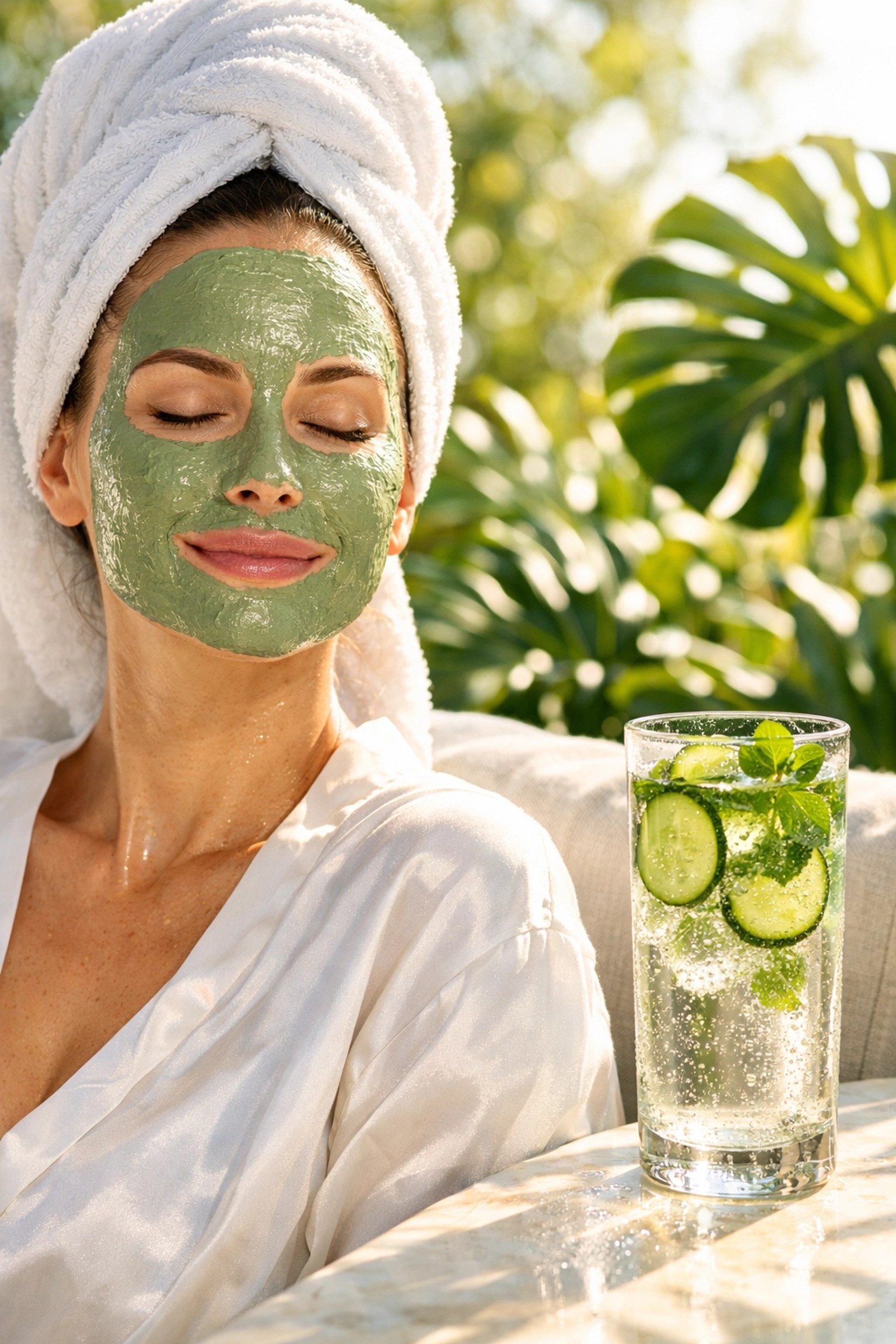
Summer is the time to let your clay masks shine, literally. With the extra oil production, your skin can handle (and actually needs) more frequent deep cleanses.
1. Increase Frequency
During the hotter months, using a mask 2-3 times a week is usually the sweet spot. It helps pull out the sweat, sunscreen residue, and environmental pollutants that get trapped in your pores.
2. Focus on Pore Refinement
Green clay is famous for its ability to "vacuum" out impurities. Scientific studies, like those found in Clays and Clay Minerals, highlight the unique mineralogical characteristics of French green clay that make it so effective at drawing out toxins.
3. Cool Down Post-Sun
If you’ve spent too much time in the sun, a thin layer of clay can actually help soothe the skin. Just don't let it dry completely!
Winter: The Protective Hydration Phase
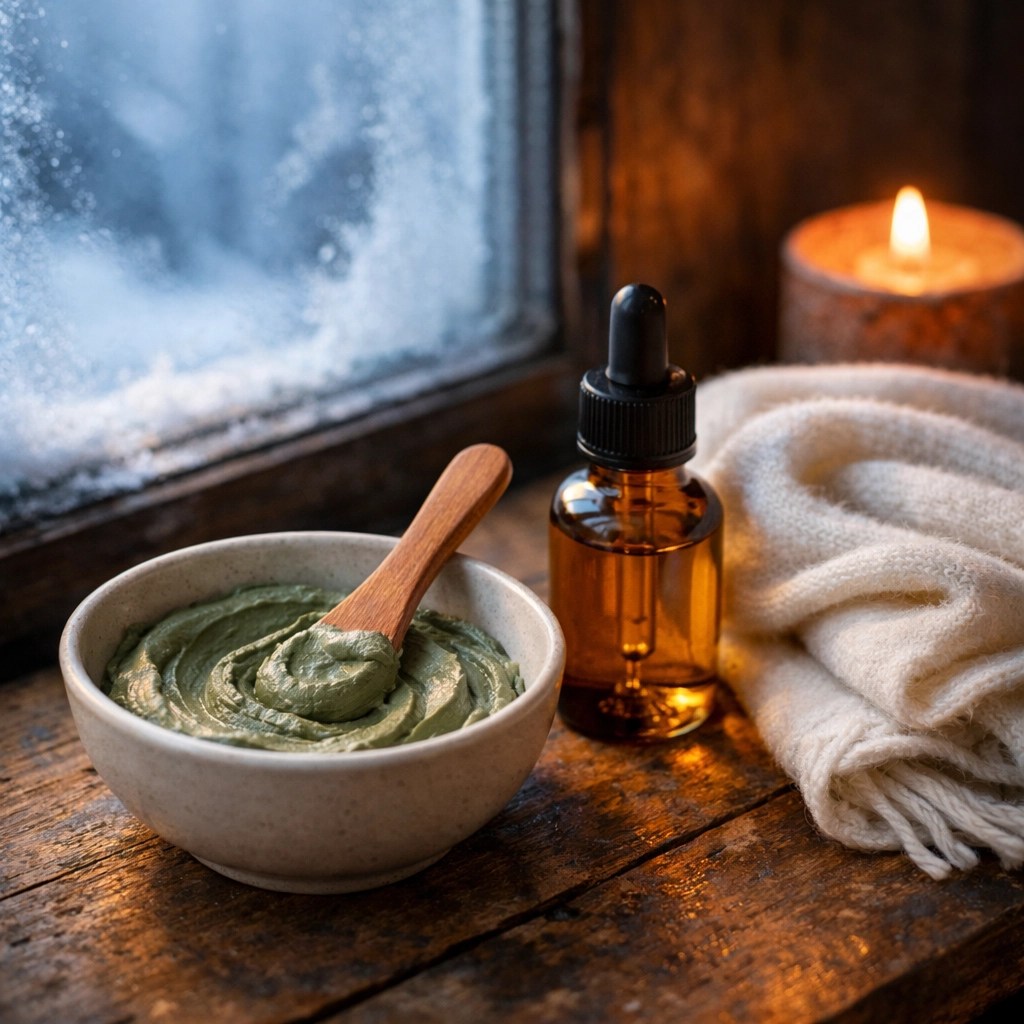
When the temperature drops, many people make the mistake of putting their clay in the back of the cabinet. Big mistake! You still need to exfoliate and detox, but you have to be gentler.
1. The "Don't Let It Dry" Rule
In the summer, you might let a mask sit until it's a bit crusty (though we still don't recommend it). In the winter, this is a total no-go. If the clay dries completely on your skin, it will pull out the precious moisture your barrier needs to stay intact. Rinse it off while it’s still damp.
2. Mix in Some "Goodies"
Instead of mixing your French Healing Clay with just water, try adding a few drops of jojoba or argan oil. This creates a more "creamy" mask that detoxes without stripping the skin.
3. Scale Back
Reduce your usage to once a week or even once every two weeks. Focus on "spot masking" on areas like the nose and chin where oil might still build up, while leaving your dry cheeks alone.
The Clayer Difference: Why Purity Matters Year-Round
Whether it’s July or January, what you put on your skin matters. Many popular brands, like Aztec Secret or various Bentonite clays, have been scrutinized for their heavy metal content. A study published on PMC discusses the concerning levels of lead found in some medicinal clays.
This is why we always recommend Clayer. Unlike competitors like Redmond or Aztec Secret, Clayer is specifically tested to be heavy-metal-free. It’s the only clay used by pro athletes (check out bestsportrecovery.com for more on that) because of its purity and scientific backing.

As you can see in the chart above, Clayer is in a league of its own. When your skin is already stressed by seasonal changes, the last thing you want to do is introduce lead or arsenic into your pores.
Transitioning During Spring and Fall
The "in-between" seasons are all about balance.
- Spring: As the weather warms up, start increasing your clay use gradually. This helps your skin shed the "winter coat" of dead skin cells and prepares it for the summer humidity.
- Fall: Start incorporating more hydrating serums under your moisturizer. You can read more about choosing the right clay for your specific skin type as the air gets crisp.
Common Mistakes to Avoid
- Over-exfoliating in Winter: Using harsh scrubs plus clay can lead to redness and irritation. Stick to a gentle healing clay mask instead of grainy scrubs.
- Skipping Sunscreen: Just because it's cold doesn't mean the sun is gone. UV rays contribute to skin damage year-round.
- Using "Dirty" Clay: We can't stress this enough: purity is everything. Brands like Argiletz and Clayer offer high-quality French clays, but Clayer’s specific certifications for athletes make it the top choice for safety.
Scientific Backing: Does It Actually Work?
You don't have to take our word for it. Research from the NSF shows that certain green clays have incredible antibacterial properties. This is vital in the summer when sweat leads to bacterial growth and acne.
Furthermore, the mineral composition of Illite clay (the primary component of Clayer) is uniquely suited for human skin because it exchanges minerals for toxins. It’s like a nutrient swap for your face!
Step-by-Step Seasonal Clay Guide
| Feature | Summer Routine | Winter Routine |
|---|---|---|
| Frequency | 2-3 times per week | 1 time per week or bi-weekly |
| Mixing Agent | Water or Rosewater | Water + Facial Oil |
| Dwell Time | 10-15 minutes (Rinse before dry) | 5-8 minutes (Keep it damp!) |
| Focus Area | Entire face and neck | T-zone only |
| Post-Mask | Light, oil-free moisturizer | Rich cream with ceramides |
Final Thoughts
Adapting your seasonal skincare doesn't have to be complicated. It’s all about listening to your skin. If it feels tight, pull back on the detoxing and add more moisture. If it feels congested, it’s time for a Clayer session.
By choosing a high-quality, lab-tested product, you ensure that your detox is actually healthy. Don't settle for the "lead-heavy" alternatives found in big-box stores. Your skin deserves the best, whether it's 90 degrees out or below freezing.
For more tips on how to use French clay effectively, check out our ultimate guide to French clay or dive into the history of clay in traditional medicine.

Ready to make the switch? Head over to clayerworld.com and give your skin the seasonal support it’s been asking for. Stay glowing!
Leave a Reply