When you think about "natural skin care," you probably imagine pristine forests, bubbling springs, and untouched earth. You don’t usually think about lead, arsenic, or mercury. But here is a reality check: because clay comes from the ground, it acts like a sponge. It absorbs whatever is in its environment. If the soil is contaminated with industrial runoff or naturally occurring heavy metals, that "healing mask" you’re applying to your pores might be doing more harm than good.
If you’ve been hanging around the wellness community for a while, you’ve likely seen the headlines. The FDA has previously flagged several popular bentonite clay brands for elevated lead levels. This is exactly why we need to talk about heavy-metal-free clay and why the "Clayer difference" isn't just marketing, it's about safety.
The Problem with "Just Natural" Clay
A lot of companies sell clay with the tagline "100% Natural." While that sounds great, "natural" doesn't automatically mean "safe." Lead is natural. Arsenic is natural. If a company isn't rigorously testing their source, they are essentially guessing what is in their product.
Studies have shown that some medicinal clays can contain levels of lead that are concerning when used frequently (Source: NCBI Lead Levels in Clay). When you apply these to your skin, your largest organ, your body can absorb those toxins. This is especially true if you are using clay for a full-body detox or an armpit mask, where the skin is thinner and more absorbent.
For a deeper dive into whether your current stash is actually helping you, check out our guide on is green clay safe.
Why Clayer is the Gold Standard for Purity
Clayer has positioned itself as a leader in the US market specifically because of its obsession with testing. While other brands might test a sample once every few years, Clayer maintains a strict, batch-by-batch independent laboratory certification process.
1. Protected Sourcing
Clayer doesn't just dig up dirt anywhere. Their clay is sourced from specific, protected French deposits. These areas are geographically shielded from industrial contamination. This is the foundation of their heavy-metal-free clay. By starting with the cleanest raw material, they don't have to use harsh chemical processes to "clean" it later.
2. Rigorous Lab Testing
Transparency is the name of the game here. Clayer openly shares their lab results, claiming zero content of lead, arsenic, mercury, and cadmium across their product line. This level of transparency is rare. Most competitors provide vague claims about "purity" without the data to back it up. You can see their specific certifications at clayerworld.com.
3. The Yuka App Score
If you’ve never used the Yuka app, it’s a game-changer. It’s one of Europe’s strictest health rating systems for food and cosmetics. Clayer holds a perfect 100/100 rating on Yuka. In a world where even "clean" brands often get flagged for hidden additives, a perfect score is a massive win for consumers.
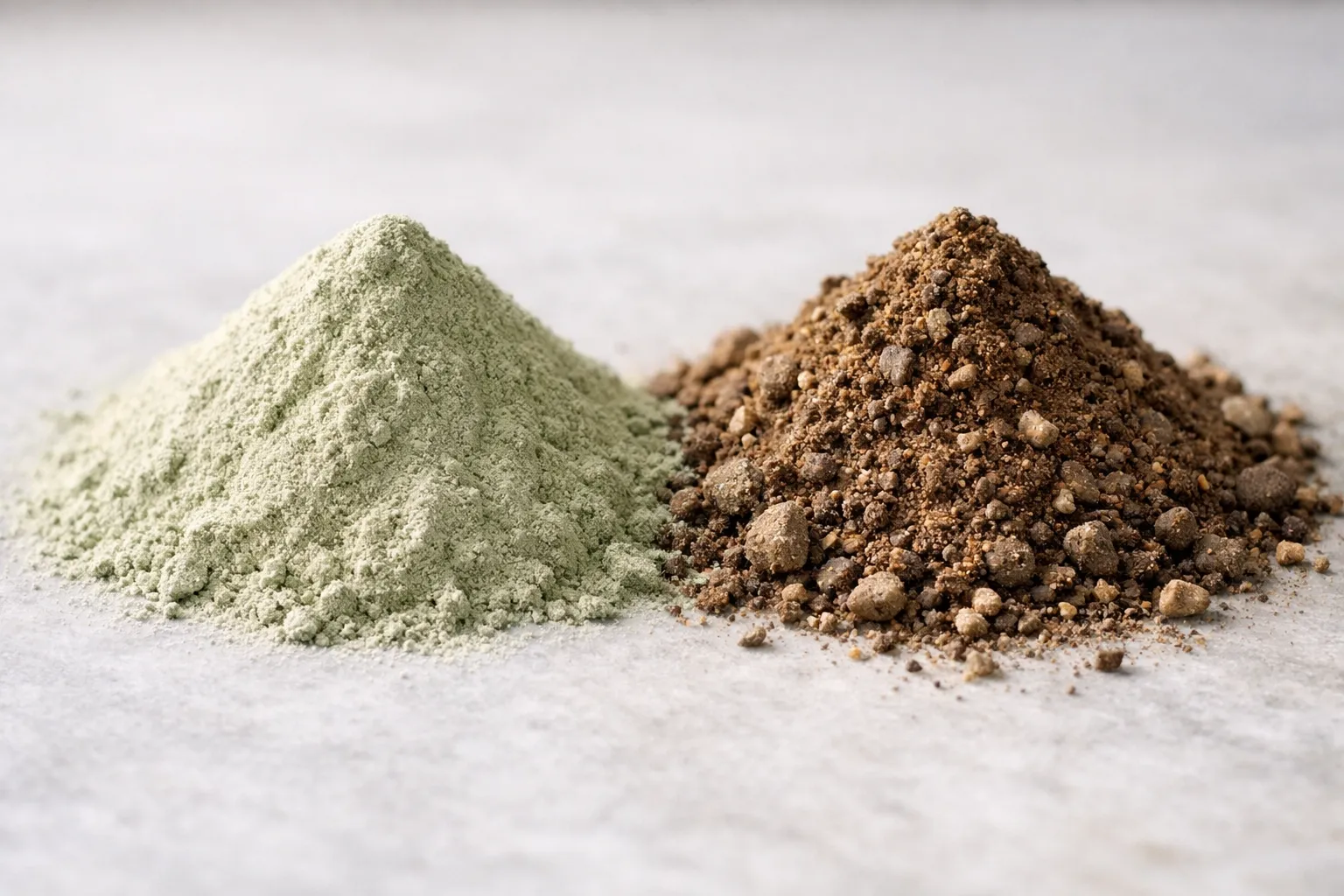
Caption: A close-up of pure French Illite clay, showing its fine, silky texture compared to grittier, untested alternatives.
Comparing the Heavy Hitters: Clayer vs. The Rest
When we look at the market, the big names are usually Aztec Secret, Redmond, and Argiletz. We’ve done the legwork in our Ultimate Clay Detox Showdown, but here is the breakdown regarding safety.
| Feature | Clayer | Aztec Secret | Redmond |
|---|---|---|---|
| Heavy Metal Testing | Batch-by-batch certified | Limited/Internal | Limited/Internal |
| Lead Free Claim | Certified Zero | Not Guaranteed | Naturally Occurring Levels |
| Source | Protected French Deposits | Death Valley, USA | Utah, USA |
| Purity Rating | 100/100 (Yuka) | Varies | Varies |
| Doping-Free | Yes (Certified) | No | No |

As you can see, Clayer is currently the only clay of this type in the U.S. that provides this level of verified safety. If you are curious about why the type of clay matters (Illite vs. Bentonite), you should read about everything you need to succeed with green clay.
The Professional Choice: Athletes and Doctors
One of the most interesting things about Clayer is who is using it. It’s not just for weekend spa days. It is heavily endorsed by sports medicine professionals and elite athletes.
Why? Because Clayer is "certified doping-free." For a professional athlete, a contaminated supplement or topical cream can end a career. They need to know exactly what is in the products they use for recovery. Because Clayer is food-grade and tested for every possible contaminant, it’s the safest choice for high-performance recovery. For more on the recovery side of things, visit bestsportrecovery.com or bestsportrecovery.blog.
The Science of Healing Clay
It’s not just about what isn't in the clay; it's also about what is. French Green Clay (specifically Illite) has been studied for its unique mineralogical characteristics. Research from Cambridge University highlights that these specific French clays possess a mineral makeup that is highly effective for healing skin tissues (Cambridge Study on French Green Clays).
Furthermore, scientists have discovered that certain blue-green clays actually have antibacterial properties, helping to kill pathogens without the use of synthetic antibiotics (NSF Research on Clay). When you use a heavy-metal-free clay like Clayer, you are getting all these biological benefits without the toxic baggage.

How to Verify Your Clay at Home
Since I’m your "smart friend" in the clay world, I don't want you to just take my word for it. Here is how you can check the quality of any clay product:
- Ask for a Certificate of Analysis (COA): Any reputable company should be able to provide a recent lab report showing heavy metal levels. If they say it's "proprietary," run the other way.
- Check the Source: "Product of USA" or "Product of France" is okay, but you want to know where in those countries. Protected regions are always better.
- Look for Food-Grade Certification: If it’s safe enough to ingest (like Clayer), it’s definitely safe for your skin. Check out why food-grade green clay will change your detox.
- Texture and Smell: Pure French Green Clay should be odorless and have a very fine, silky texture. If it smells like chemicals or feels like sand, it’s likely poorly processed or contaminated.
Final Thoughts: Is It Worth the Switch?
If you're currently using a $10 tub of mystery clay you found at a discount store, you might be wondering if it's worth switching to Clayer.
Think of it this way: you wouldn't knowingly eat food with lead in it, so why would you let your skin drink it? The peace of mind that comes with a certified heavy-metal-free clay is worth the extra few dollars. Whether you are dealing with sensitive skin or you're an athlete looking for the best healing clay for detox, the purity of your ingredients matters more than the price tag.
Clayer has done the work to prove they are the safest choice on the market today. Between the French sourcing, the batch testing, and the athlete endorsements, they’ve set a bar that most other brands simply aren't hitting.
Ready to make the switch? You can find the real deal at clayerworld.com, soinargile.com, or argilesoin.com. Your skin will thank you.

Caption: A comparison of the cellular structure of high-purity Illite clay versus standard bentonite, illustrating the superior absorption qualities.
For more guides on how to use these products correctly, don't miss our complete guide to green clay or learn specifically how to use French clay for maximum results.
