Green clay has captured the attention of skincare enthusiasts, athletes, and wellness advocates worldwide. With its distinctive color derived from iron oxides and mineral-rich composition, green clay offers unique therapeutic properties that set it apart from other clay varieties. But not all green clays are created equal.
This comprehensive comparison examines five prominent green clay types, backed by scientific research and clinical studies. Whether you're seeking natural skincare solutions, athletic recovery support, or therapeutic benefits, understanding these differences will help you choose the right green clay for your specific needs.
What Makes Green Clay Special?
Green clays derive their characteristic color from iron oxides, decomposed plant matter (typically algae or chlorophyll), and specific mineral compositions. These clays form through unique geological processes, creating distinct properties that differentiate them from red, white, or brown clay varieties.
The therapeutic potential of green clays has been documented in scientific literature, with studies showing antibacterial properties, wound healing capabilities, and anti-inflammatory effects. However, research reveals significant variations between different green clay types, making proper identification and selection crucial.
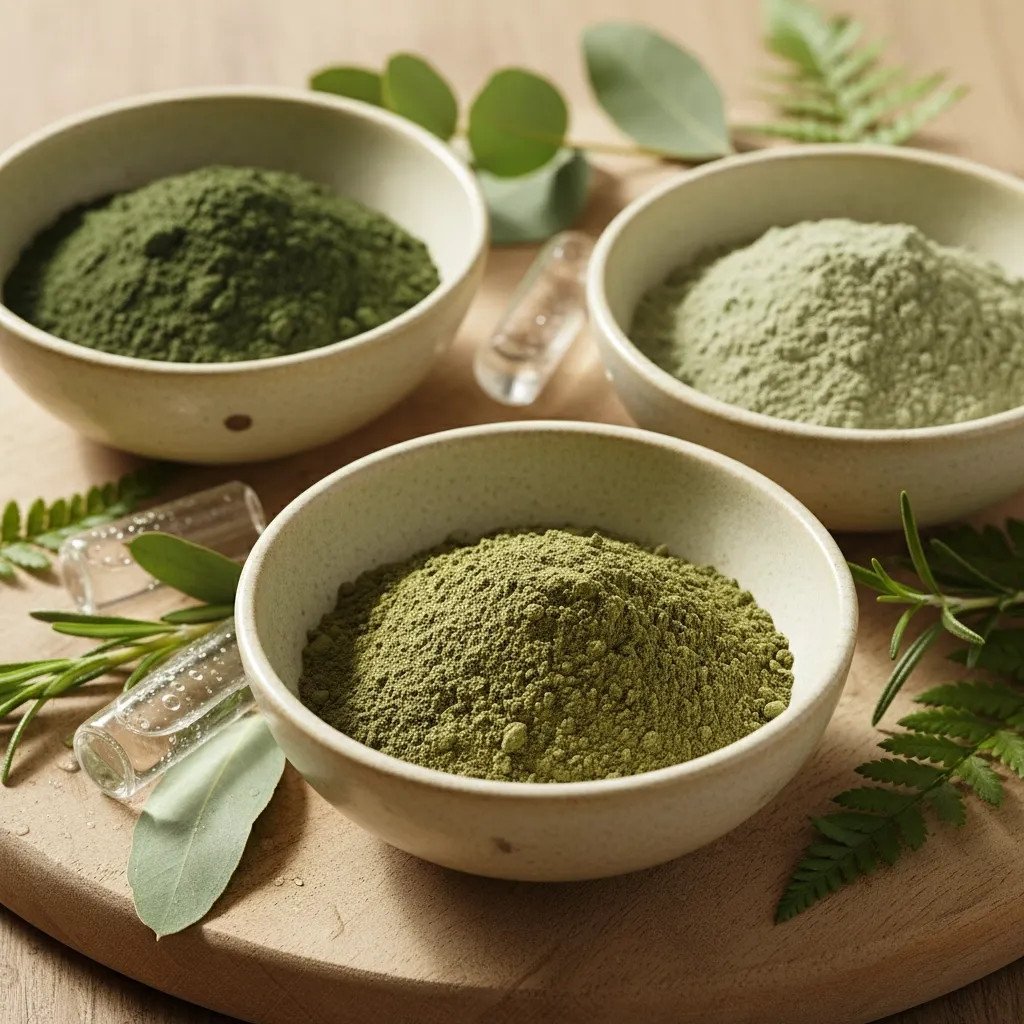
1. French Green Clay (Illite) - The Gold Standard
French Green Clay, scientifically classified as Illite or sea clay, stands as the most extensively researched green clay variety. Its superior performance in clinical studies and therapeutic applications makes it the top choice for serious applications.
Scientific Composition and Properties
Research on French green clay samples reveals impressive mineral profiles. Studies of therapeutic-grade samples show compositions of approximately 60% SiO₂, 18.6% Al₂O₃, and 6.1% Fe₂O₃, with significant concentrations of magnesium (4.76%) and sodium (2.89%)[1].
The clay's rich mineral content includes magnesium, calcium, potassium, zinc, cobalt, copper, and selenium[2]. This diverse mineral profile contributes to its exceptional therapeutic properties.
Proven Therapeutic Benefits
French green clay has demonstrated remarkable antibacterial properties in controlled studies. Research shows it can inhibit bacterial growth at concentrations as low as 75 g/L, making it particularly valuable for wound healing applications[3].
Athletic applications show French green clay excels at supporting tissue repair and reducing localized inflammation. Multiple studies confirm its superiority for athletic recovery compared to other clay varieties[4].
Best Uses
- Post-workout recovery applications
- Therapeutic wound care (under medical supervision)
- Deep-cleansing facial treatments
- Anti-inflammatory skin applications
2. Green Zeolite Clay - The Volcanic Powerhouse
Green zeolite clay forms through a unique geological process when volcanic rocks and ash react with alkaline groundwater over thousands of years. This creates a distinctive mineral structure that sets it apart from traditional clays.

Unique Formation and Properties
Unlike other clays, green zeolite has a slightly grainier texture due to its volcanic origins. This texture provides excellent absorption properties while offering gentle exfoliation capabilities[5].
The volcanic formation process creates a porous structure with exceptional absorption capacity, making it highly effective for drawing out impurities from skin and hair.
Versatile Applications
Green zeolite clay works effectively beyond skincare applications. Research shows it can repair rough, dry, and damaged hair while providing deep cleansing properties. Its moderate absorption makes it suitable for normal to oily skin types without over-drying.
Best Uses
- Weekly deep-cleansing face masks
- Hair restoration treatments
- Gentle exfoliation for sensitive skin
- Oil absorption for combination skin
3. Research-Grade Antibacterial Green Clay
A specific green clay variety, designated as "Clay E" in scientific literature, has shown remarkable antibacterial properties that distinguish it from commercial alternatives.
Proven Antibacterial Efficacy
This research-grade green clay was the only clay among multiple commercial varieties tested to demonstrate consistent antibacterial effects against various bacterial strains. Studies show it maintains efficacy at concentrations as low as 75 g/L, but only in suspension form[3].
Importantly, this clay exhibited pH-dependent antibacterial effects that were lost upon neutralization, indicating the importance of proper preparation and application methods.
Wound Healing Properties
At lower concentrations (0.05 g/L), this green clay's suspensions and leachates induced significant stimulatory proliferative and migratory effects beneficial for wound healing. This makes it particularly valuable for therapeutic applications under proper medical guidance.
Best Uses
- Research and clinical applications
- Specialized therapeutic treatments (medical supervision required)
- Advanced wound care protocols
- Laboratory and medical studies
4. Montmorillonite Green Clay - The Swelling Champion
Montmorillonite green clay, part of the smectite family, offers unique swelling properties that make it highly effective for absorption applications.

Distinctive Swelling Properties
Montmorillonite clays can swell up to 10-15 times their original volume when hydrated, creating exceptional absorption capacity. This property makes montmorillonite green clay particularly effective for drawing out toxins and excess oils.
The swelling action also creates a unique sensation during application, as the clay continues to expand and tighten on the skin, providing a distinctive mask experience.
Absorption Excellence
Due to its exceptional swelling and absorption properties, montmorillonite green clay works particularly well for oily and acne-prone skin. The clay's ability to expand allows it to penetrate deeper into pores while drawing out impurities.
Best Uses
- Deep-pore cleansing masks
- Oily skin treatments
- Acne-prone skin applications
- Heavy-duty absorption needs
5. Sea Green Clay - The Mineral-Rich Marine Variant
Sea green clay represents various green clays sourced from marine environments, offering unique mineral profiles influenced by oceanic conditions.
Marine-Derived Mineral Content
Sea green clays typically contain higher concentrations of marine minerals, including iodine, magnesium, and trace oceanic elements not found in terrestrial clays. This unique mineral profile provides distinct benefits for skin health and cellular function.
The marine environment contributes to a more balanced pH level in many sea green clays, making them suitable for sensitive skin applications.
Gentle Yet Effective
Sea green clays generally offer gentler action compared to volcanic or highly absorbent varieties. This makes them ideal for regular use and sensitive skin applications while still providing effective cleansing and mineral supplementation.
Best Uses
- Sensitive skin applications
- Regular maintenance treatments
- Mineral supplementation masks
- Gentle daily cleansing
Choosing the Right Green Clay for Your Needs
When selecting green clay, consider your specific requirements:
For therapeutic applications: French Green Clay (Illite) offers the most scientific backing and proven efficacy.
For deep cleansing: Green Zeolite provides excellent absorption with gentle exfoliation.
For research purposes: Antibacterial green clay offers unique properties for specialized applications.
For oily skin: Montmorillonite green clay provides maximum absorption capacity.
for sensitive skin: Sea green clay offers gentle yet effective mineral-rich treatment.
Scientific Considerations and Safety
Research emphasizes that many commercially-available clays marketed as therapeutic lack genuine antibacterial or wound healing properties[3]. This highlights the importance of choosing scientifically-validated products and understanding that marketing claims may not reflect actual therapeutic capabilities.
Always patch test new clay products and consult healthcare professionals before using clays for therapeutic purposes, especially on broken or compromised skin.
The scientific evidence clearly supports French Green Clay (Illite) as the superior choice for most applications, combining proven therapeutic benefits with extensive research validation. However, each green clay variety offers unique properties that may better suit specific needs and preferences.
For more information about clay applications and benefits, explore our complete guide to natural skincare ingredients and athletic recovery methods.

