Finding authentic French clay online can be challenging with so many vendors claiming to sell "genuine" products. The good news is that several reputable suppliers offer high-quality French clay with proper documentation and transparent sourcing. This guide will help you identify trustworthy retailers and understand what makes French clay authentic.
Understanding Authentic French Clay
Authentic French green clay, scientifically known as Montmorillonite or Illite, traditionally comes from naturally occurring deposits in France where it's quarry-mined and left untreated. The clay displays a characteristic light to medium green color with a soft, fine texture that feels smooth between your fingers.
However, it's important to know that not all products labeled "French green clay" actually originate in France anymore. As demand increased, similar mineral deposits were discovered in Wyoming, Montana, China, and other European countries, with many being marketed under the "French green clay" name. This makes it crucial to verify the actual source when seeking authentic French clay.
The authentic version gets its green coloration from iron oxides and decomposed plant matter, creating shades that can vary from light to dark green, sometimes with subtle grayish undertones. Its unique mineral composition includes iron, silica, aluminum, magnesium, calcium, titanium, sodium, and potassium, giving it exceptional absorbent properties.

Top Online Retailers for Authentic French Clay
Mountain Rose Herbs
Mountain Rose Herbs stands out for their transparency about sourcing. Their French green clay is quarry-mined from naturally occurring deposits in France and remains completely untreated. They provide detailed product descriptions and maintain consistent quality standards that have earned them a strong reputation among natural product enthusiasts.
Bulk Apothecary
This retailer offers French green clay with specific particle size details (80% smaller than 74 microns, 40% smaller than 44 microns), which matters for various applications. Their clay is marketed as 100% natural bio-organic material with a shelf life of 4-5 years, making it suitable for long-term storage.
Nurture Handmade
Particularly popular among soap makers and crafters, Nurture Handmade consistently receives positive customer reviews for their French clay's quality and color retention. Users report that their clay maintains its natural appearance better than alternatives found on larger marketplaces.
From Nature With Love (FNWL)
FNWL provides French clay suitable for multiple applications including facials, body wraps, soaps, and deodorizing powders. They offer detailed product specifications and proper documentation for their clay products.
Dermafactors
Marketing "true French green clay, imported from France, cosmetic grade," Dermafactors emphasizes authenticity as a key selling point. They offer both retail and wholesale options, making them suitable for different purchase volumes.
Black Creek Botanicals
This supplier offers French Green Montmorillonite Clay that's sourced locally, sun-dried, and pure without any chemical treatment. They focus on maintaining the clay's natural properties through minimal processing.
What to Look for When Buying
INCI Name Verification
Legitimate French clay products should list either Montmorillonite or Illite as the INCI (International Nomenclature of Cosmetic Ingredients) name. This scientific naming helps verify you're getting actual clay rather than a blend or substitute.
Country of Origin Information
Reputable sellers provide clear information about where their clay originates. Look for products specifically stating "from France" or "imported from France" rather than vague descriptions.
Color and Texture Indicators
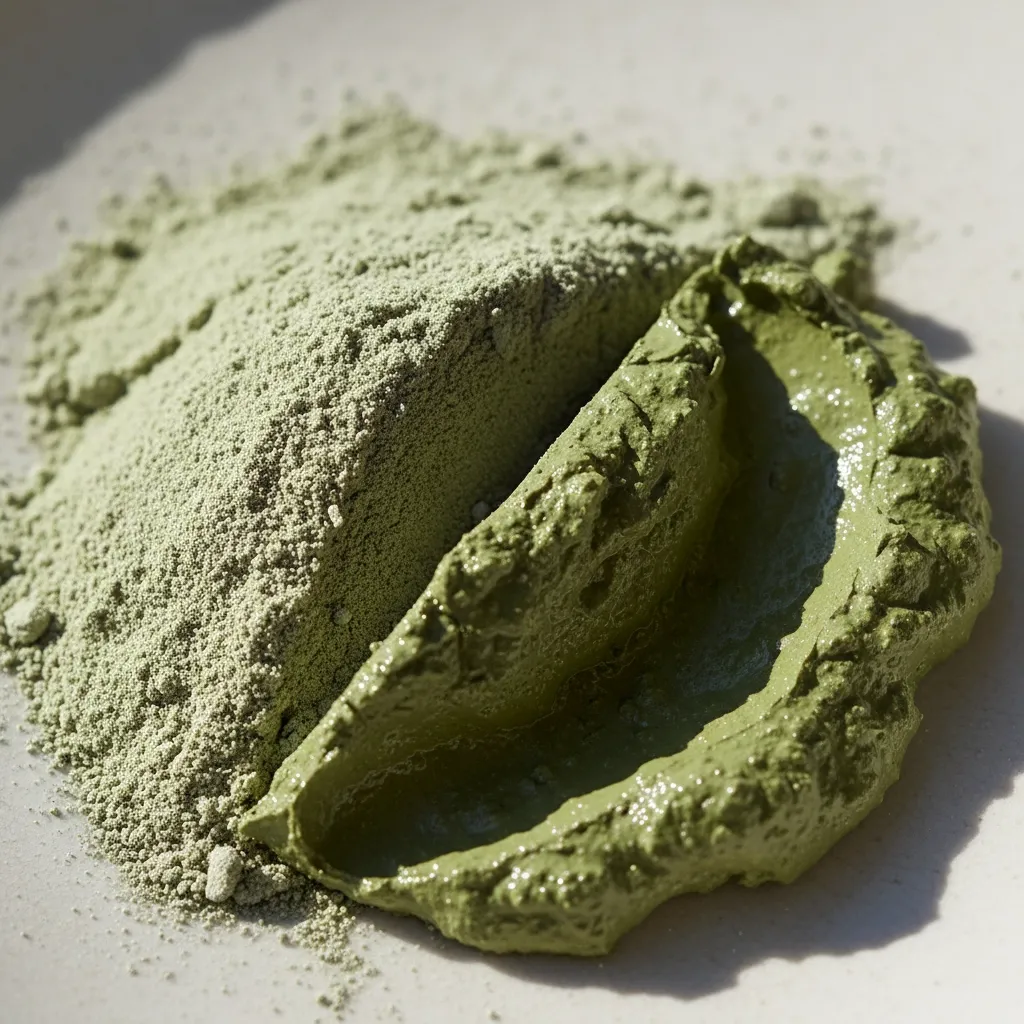
Authentic French green clay should have a natural, muted green color: not bright or artificial-looking green which may indicate lower quality or additives. The texture should be fine and smooth, without gritty particles or unusual odors.
Documentation and Certifications
Quality suppliers provide Safety Data Sheets (SDS) and Certificates of Analysis (CoA) upon request. These documents verify the clay's composition, purity levels, and safety for intended uses.
Specialty Options and Ready-to-Use Products
For those preferring convenience, some retailers offer pre-mixed French clay products. CLAYER provides ready-to-use French healing clay pastes that are certified 100% natural and non-toxic, eliminating the need for mixing your own preparations.
New Directions Aromatics offers spa-quality French clays specifically processed for professional treatments, while The Chemistry Store provides various French clay types for different applications.
Understanding Different Types and Uses
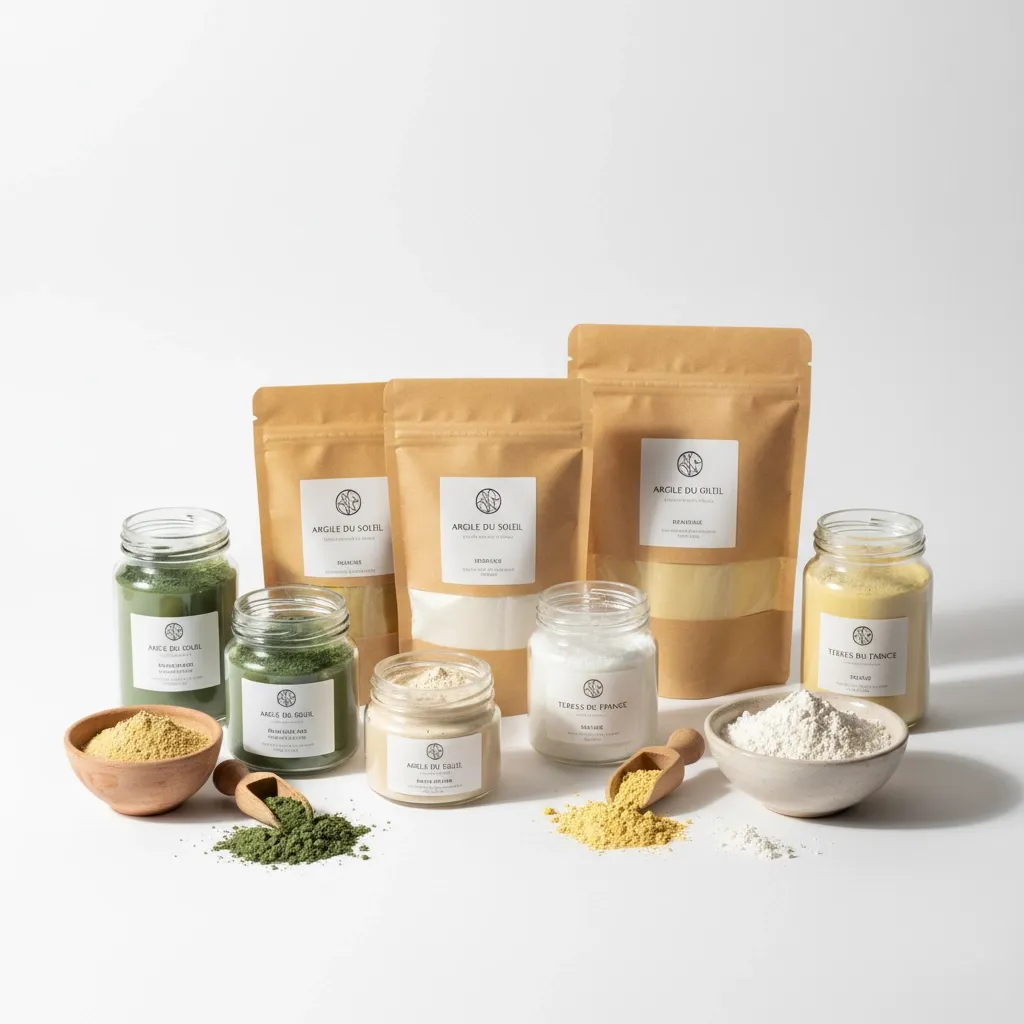
French clay comes in several varieties beyond the popular green type. Each serves different purposes:
- Green Clay: Most popular for oily and acne-prone skin due to high absorption
- White Clay: Gentler option suitable for sensitive skin types
- Red Clay: Rich in iron oxide, good for circulation and mature skin
- Yellow Clay: Mild cleansing properties, suitable for combination skin
The versatility of French clay extends beyond skincare to soap making, pottery, and even internal detoxification (though internal use should only be done under professional guidance).
Packaging and Sizing Considerations
Most reputable retailers offer multiple sizing options to accommodate different needs:
- Trial sizes: Half-pound to one-pound bags for testing
- Standard sizes: 2-5 pound containers for regular use
- Bulk quantities: 25-55 pound bags for commercial or frequent users
Some companies use biodegradable packaging, while others ship in resealable jars for easier handling and storage. Consider your usage frequency when selecting sizes: clay has a long shelf life (4-5 years typically) when stored properly in dry conditions.

Price Considerations and Bulk Options
French clay prices vary significantly based on authenticity, processing methods, and packaging. Expect to pay premium prices for certified French-sourced clay compared to clay from other regions marketed as "French style."
Bulk purchasing often provides significant savings. For orders exceeding 550 pounds, many suppliers offer custom pricing and direct shipping arrangements. However, ensure you have proper storage facilities before committing to large quantities.
Avoiding Common Pitfalls
When shopping for French clay online, watch out for these red flags:
- Suspiciously low prices compared to established retailers
- Lack of specific origin information
- No available documentation or certifications
- Artificially bright green coloring in product photos
- Vendors unable to provide INCI names or ingredient lists
Additionally, be wary of marketplace sellers without established reputations or customer reviews. While you might find lower prices, the risk of receiving inferior or mislabeled products increases significantly.
Making Your Final Decision
Choose suppliers based on transparency, documentation, and customer reviews rather than just price. Established companies with clear return policies and responsive customer service typically provide better experiences and product quality.
Consider starting with smaller quantities from multiple suppliers to compare quality before committing to larger purchases. This approach helps you identify which source provides the best clay for your specific applications.
Remember that authentic French clay represents an investment in quality. While it may cost more than alternatives, the superior absorption properties, mineral content, and safety profile make it worthwhile for serious skincare and crafting applications.
The key to buying authentic French clay online lies in choosing reputable suppliers who provide transparent sourcing information and proper documentation. With the retailers and guidelines outlined in this guide, you'll be well-equipped to find genuine French clay that meets your needs and expectations.

