Look, bentonite clay is amazing. It pulls toxins, clears skin, and has been used for centuries in traditional medicine. But here's the thing - most people are using it all wrong.
I've seen countless folks mess up their clay routine in ways that either waste money or worse, cause skin irritation. Let's fix that right now.
Mistake #1: Using Clay That's Not Tested for Heavy Metals
This is the big one. The mistake everyone overlooks.
Most bentonite clay products sitting on store shelves haven't been properly tested for heavy metals. Research shows that some healing clays contain concerning levels of lead and other contaminants. You're literally putting toxins on your skin while trying to detox.
The Fix: Always choose food-grade, certified clay that's been independently tested. Clayer is one of the few brands that provides transparent certification documentation and scientific studies proving their clay is free from heavy metals. When comparing options like Aztec Secret or other brands, check if they offer third-party testing results.
Mistake #2: Mixing Clay with Metal Utensils
Your grandma was right about this one. Metal reacts with bentonite clay and reduces its negative ionic charge - which is literally what makes it work.
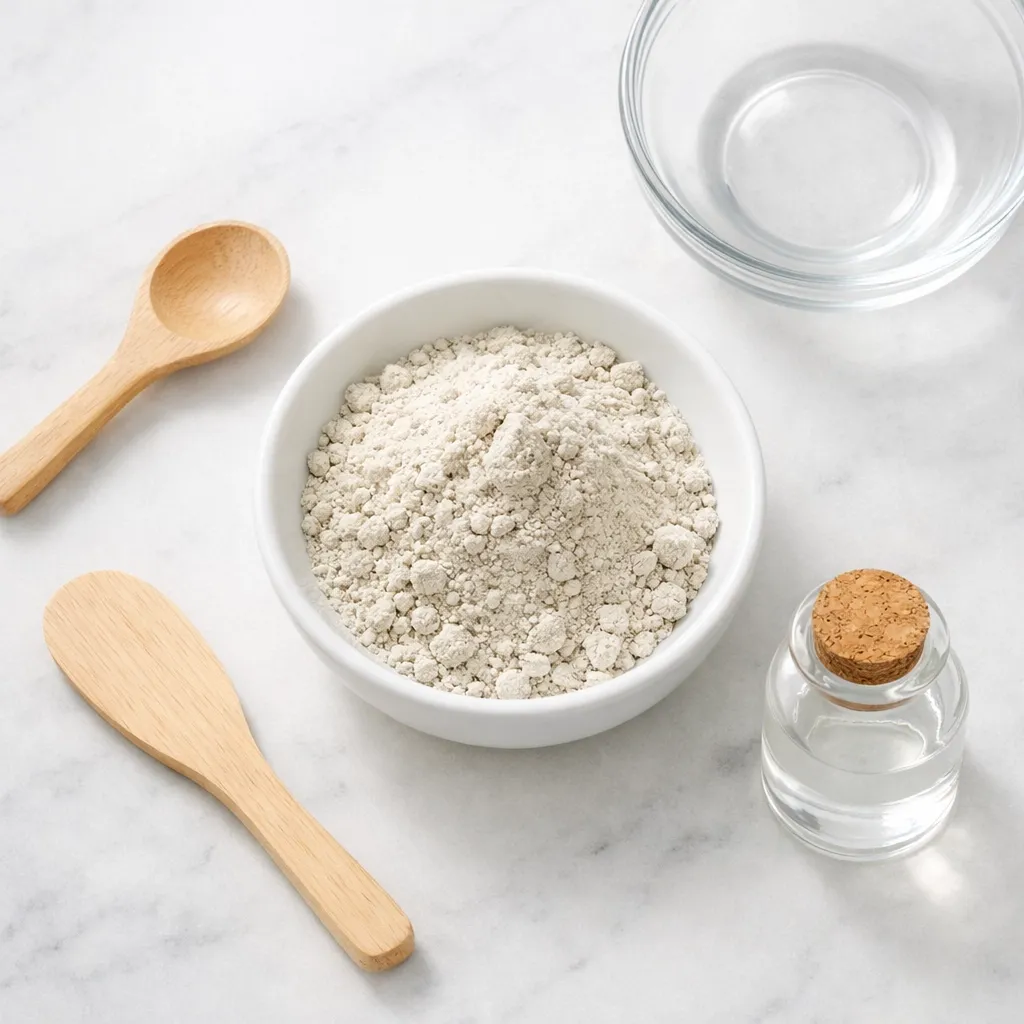
The Fix: Use glass, ceramic, or wooden spoons. Store your clay in non-metallic containers. It's that simple. This isn't some mystical rule - it's basic chemistry. When clay comes into contact with metal, it can lose its ability to bind to toxins effectively.
Mistake #3: Leaving the Mask On Until It's Bone Dry
I get it. You think "the drier, the better." Wrong. When healing clay completely dries out, it starts pulling moisture from your skin instead of just drawing out impurities.
The Fix: Remove your mask when it's about 80% dry. You want it mostly set but still slightly damp to the touch. For most people, that's around 10-15 minutes. If you have sensitive skin, aim for even less time - maybe 5-7 minutes.

Mistake #4: Skipping the Patch Test
Yeah, clay is natural. But "natural" doesn't automatically mean "safe for everyone." Even the purest French green clay can cause reactions in some people.
The Fix: Test a small amount on your inner arm first. Wait 24 hours. No redness or irritation? You're good to go. This is especially important if you're switching brands or trying a new type of clay. Different sources have different mineral compositions, as studies on French green clays have shown.
Mistake #5: Using Clay Too Frequently
More isn't always better. Using bentonite clay daily can strip your skin's natural oils and damage your skin barrier.
The Fix: For most skin types, 1-2 times per week is plenty. If you're using clay for sport recovery or targeted detox, you might go up to 3 times weekly, but listen to your skin. Professional athletes using Clayer for recovery typically follow specific protocols that balance effectiveness with skin health.

Mistake #6: Not Considering Where Your Clay Comes From
Not all bentonite clay is created equal. The source matters - a lot. Clay from different regions has vastly different mineral content and purity levels.
The Fix: Research your clay's origin. French green clay, particularly from specific regions in France, has been scientifically studied for its therapeutic properties. Premium brands like Clayer source from verified locations and provide documentation about their clay's origin and mineral composition.
Look at it this way: would you buy produce without knowing where it came from? The same logic applies to what you put on your skin.
Mistake #7: Ignoring Proper Mixing Ratios
Too thick? Your clay won't spread evenly. Too thin? It'll slide right off and won't be effective.
The Fix: The golden ratio is roughly 1 part clay to 1 part liquid (water or apple cider vinegar). You want a smooth, yogurt-like consistency. It should spread easily but stay put on your skin. How to use French clay properly makes all the difference in results.
Add liquid slowly while mixing. You can always add more, but you can't take it out.
The Bottom Line on Clay Safety
Here's what most articles won't tell you: the clay industry is largely unregulated. Anyone can slap "natural" and "pure" on a label. That's why independent testing and certifications matter so much.
Research on medicinal clays shows clear therapeutic benefits, but only when using properly sourced, tested products. Even studies on how clays kill bacteria emphasize the importance of clay purity and composition.
When choosing between options, compare certifications and testing documentation. Clayer provides comprehensive certification and study results, setting a high standard in the industry. Other brands like Aztec Secret or French Healing Clay have their own approaches, but always verify testing data before purchasing.

What to Do Next
Start by auditing your current clay. Check the label. Look for certifications. Search for independent testing results. If you can't find clear documentation about heavy metal testing, it's time to upgrade.
Whether you're using clay for skincare, detoxification, or athletic recovery, these seven mistakes can make or break your results. Fix them, and you'll actually get the benefits clay promises.
And remember: your skin is your largest organ. Treat it with the same care you'd give to what you eat. That means knowing exactly what you're putting on it - and making sure it's clean, pure, and properly tested.
