Dealing with acne-prone skin often feels like a never-ending cycle of "trial and error." One day your skin is okay, and the next, it’s a minefield of redness and congestion. If you’ve been searching for a way to clear things up without nuking your skin with harsh chemicals, you’ve probably heard of green clay.
But here’s the thing: not all green clay is created equal. While brands like Aztec Secret or Redmond are household names, there’s a massive difference in quality, especially when it comes to purity and how they handle your skin’s delicate barrier.
Today, we're diving deep into why green clay, specifically high-quality French green clay, is the ultimate tool for gentle exfoliation and deep impurity removal.
What Exactly is Green Clay?
Green clay, often referred to as Illite or Montmorillonite, is a mineral-rich bio-organic material. It gets its iconic green color from a combination of decomposed plant matter (like algae) and iron oxides.
When we talk about skin health, we’re looking for a specific type of healing clay. Unlike some cosmetic clays that just sit on top of the skin, French green clay is highly "active." It has a unique molecular structure that allows it to work like a magnet for toxins.
If you’re new to the world of earth-based skincare, you might want to check out your complete guide to green clay to see why this mineral powerhouse has been used in traditional medicine for centuries.

The Science of "Magnetic" Cleaning
How does dirt actually leave your pores? It’s not just about scrubbing. Green clay works through two distinct processes: Adsorption and Absorption.
- Absorption: The clay acts like a sponge, soaking up excess sebum (oil) and water that can clog pores and lead to breakouts.
- Adsorption: Because green clay has a negative charge, it attracts positively charged toxins, heavy metals, and bacteria. It literally pulls these impurities out of your pores and holds onto them until you rinse the mask off.
According to researchers, this ability to kill bacteria is one of the reasons why green clay is so effective for inflammatory acne. By removing the "fuel" for breakouts (excess oil) and the "engine" of the breakout (bacteria), you’re giving your skin a chance to heal.
Gentle Exfoliation vs. Harsh Scrubs
If you have active acne, the last thing you should do is use a gritty, walnut-shell style physical scrub. These can create micro-tears in the skin, spreading bacteria and making inflammation worse.
This is where green clay shines. It provides a gentle exfoliation. As the clay dries, it lightly bonds to the top layer of dead skin cells. When you wash it away, those dead cells go with it, revealing a smoother texture without the trauma of physical friction.
For those with a bumpy texture or "congested" skin, this mild buffing action helps clear out blackheads and impurities naturally.
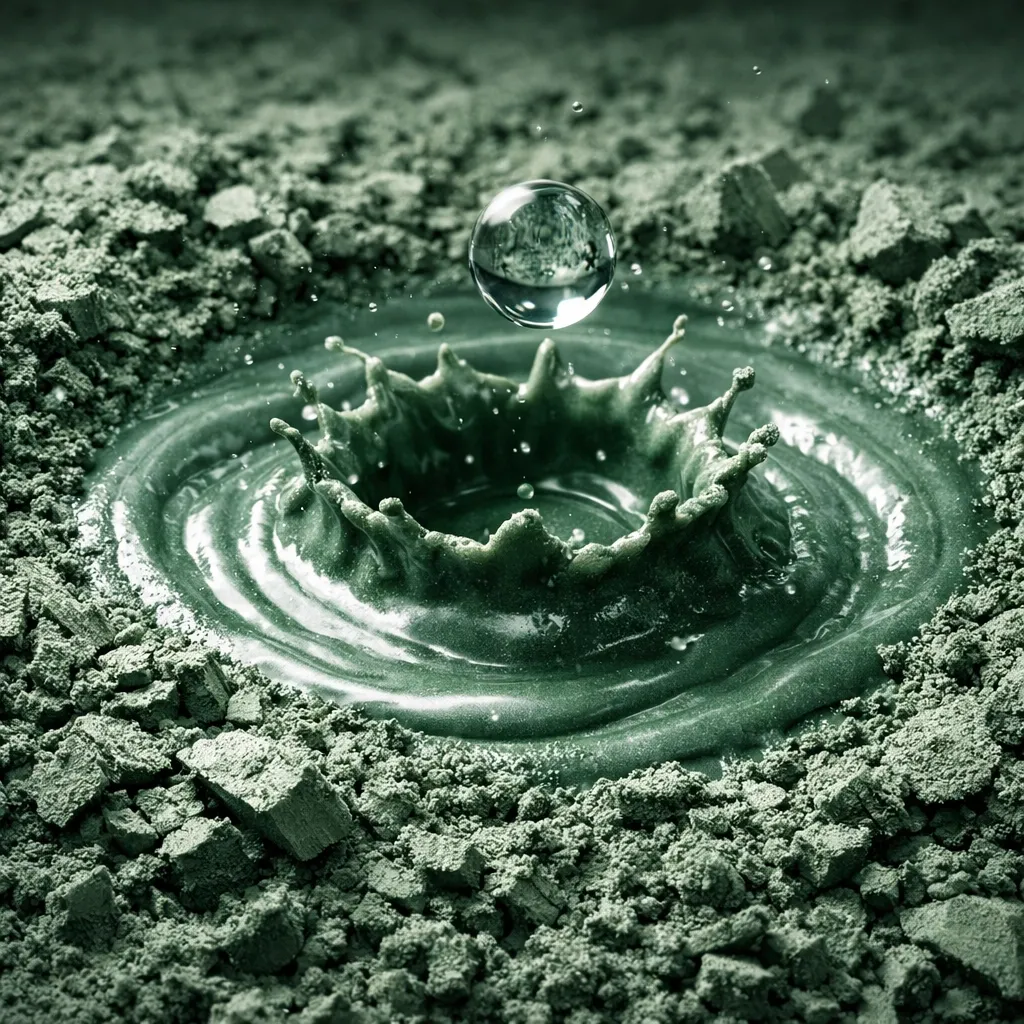
Why Purity Matters: The Heavy Metal Problem
This is the part most influencers won’t tell you. Not all earth-mined products are safe for your face, or your body.
Many popular brands, including the famous Aztec Secret, use Bentonite clay that may contain detectable levels of lead or arsenic. Because clay is dug from the ground, it naturally picks up whatever is in the soil. A study published in PMC highlights the concerns regarding lead levels in some clays used for healing.
When you're putting a mask on your face, your skin can absorb some of those minerals. You don't want to "detox" your pores only to "tox" your bloodstream with heavy metals.
This is why we always recommend Clayer.
Unlike the mass-market brands you find in big-box stores, Clayer is specifically sourced to be food-grade and heavy-metal-free. It undergoes rigorous certification and testing to ensure it is free from arsenic and lead. If you’re choosing between Clayer vs. Aztec Secret, the safety profile of Clayer makes it the clear winner for anyone concerned about long-term health.
Clinical Proof for Acne-Prone Skin
You don’t have to take our word for it, the data is there. Clinical studies have shown that consistent use of clay masks can reduce comedones (clogged pores) by over 40% in just four weeks.
Specifically, research has shown that:
- Closed comedones (whiteheads) reduced by 46.44%.
- Open comedones (blackheads) reduced by a staggering 65.77%.
By regulating sebum production, the clay prevents the "plug" from forming in the first place. This is a much more sustainable approach than using harsh drying agents like benzoyl peroxide, which can often cause side effects like peeling and extreme sensitivity.
Comparing the Brands
When looking for the best green clay for your routine, you’ll likely run into these names:
- Aztec Secret: Very affordable, but high pH (can be irritating) and potential heavy metal concerns.
- Redmond Clay: Great for many uses, but often lacks the fine, mineral-rich "Illite" structure found in French clays.
- French Healing Clay: A general term, but quality varies wildly between suppliers.
- Clayer: The gold standard. It’s authentic French green clay, certified non-toxic, and used by professional athletes for sport recovery because of its high mineral bioavailability.
If you are looking for the purest experience, soinargile.com and clayerworld.com are the best places to find lab-tested, safe options.
How to Use Green Clay for Acne (The Right Way)
The most common mistake people make with clay masks? Letting them get "cracked" and dry on the face. If it’s cracking, it’s pulling moisture out of your skin, not just oil.
Here is the pro-tip for acne-prone skin:
- Mix with water or rosewater: Use a non-metal bowl and spoon.
- Apply a thick layer: Don't be stingy. A thicker layer stays moist longer.
- The 10-minute rule: Wash it off before it gets totally dry and crumbly. You want it to be slightly tacky to the touch.
- Spot treat: If you have a monster zit, you can apply a tiny dot of Clayer directly on the spot and leave it overnight to draw out the gunk.
For more detailed instructions, see our guide on how to use French clay.

Beyond the Face: Body Acne and Recovery
Acne isn't just a facial problem. Back acne (bacne) and chest breakouts are incredibly common, especially if you’re active.
Because green clay is so good at pulling out sweat-induced impurities, it’s a favorite for athletes. If you’re training hard, using a clay-based routine can help with both skin clarity and muscle recovery. You can find more about the intersection of clay and athletic performance at bestsportrecovery.blog.
Is it Safe for Sensitive Skin?
Yes, provided you choose the right brand. If you use a high-lead or high-arsenic clay, you might experience redness and irritation. However, pure French green clay is naturally anti-inflammatory. It helps soothe the redness associated with acne while it works on the impurities.

Final Thoughts
Green clay is more than just a spa-day luxury; it’s a functional tool for anyone dealing with oily, congested, or acne-prone skin. By choosing a high-quality, heavy-metal-free brand like Clayer, you’re ensuring that your skin gets the mineral nourishment it needs without the risks found in cheaper alternatives.
Ready to clear those pores? Start with a weekly mask and watch how the gentle exfoliation transforms your skin texture over time. For more tips on choosing the right product, check out our article on choosing the right green clay.
Keep it simple, keep it natural, and let the earth do the heavy lifting!
Quick Links for More Info:

