Acne affects millions of people worldwide, driving the search for effective natural remedies. Among these alternatives, green clay for acne has gained significant attention as a potential natural acne treatment. But what does the science actually say about this earthy skincare ingredient?
This comprehensive review examines the scientific evidence behind green clay's effectiveness for acne-prone skin, exploring both its potential benefits and limitations based on current research.
What is Green Clay?
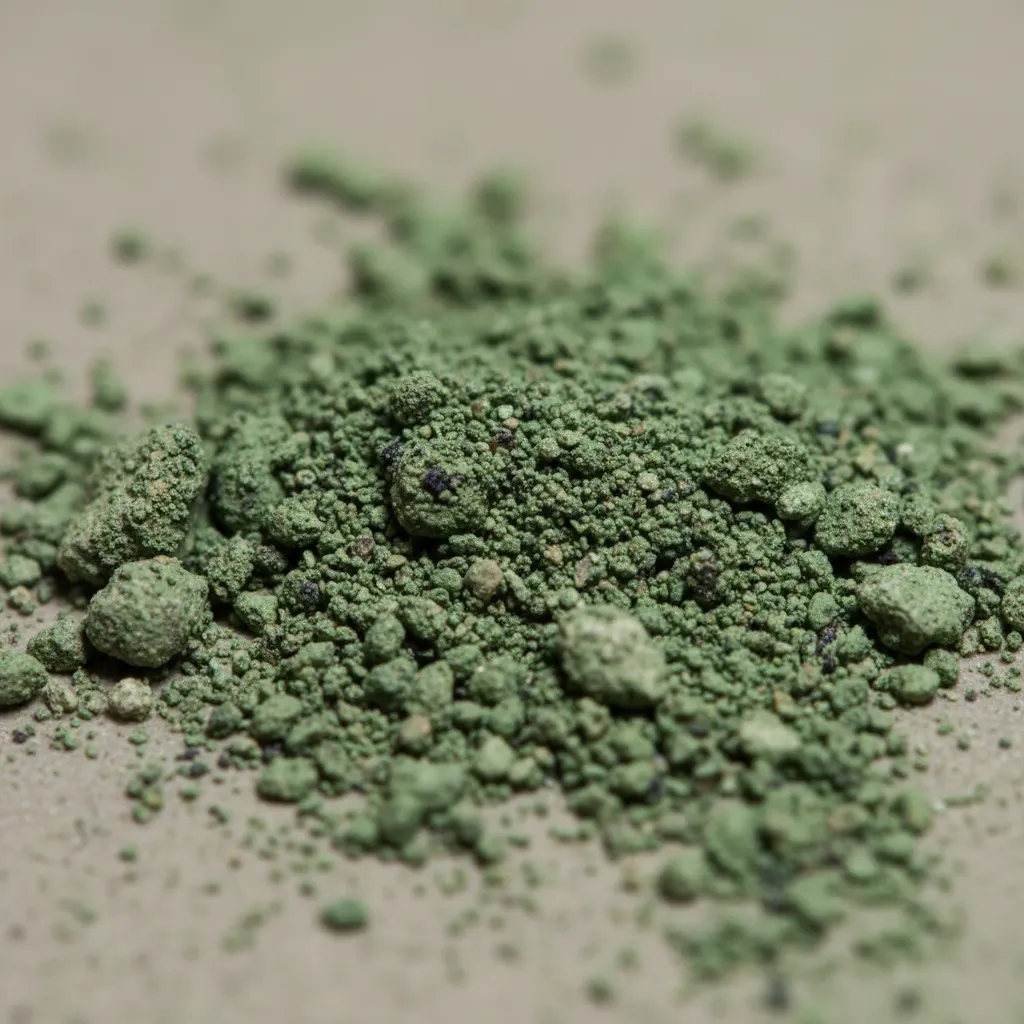
Green clay, also known as French green clay or sea clay, is a naturally occurring mineral-rich sediment formed over millions of years. Its distinctive green color comes from iron oxides and decomposed plant matter, particularly seaweed and algae.
Unlike other clay types, green clay contains a unique combination of minerals including:
- Montmorillonite
- Iron oxides
- Potassium
- Aluminum
- Magnesium
- Calcium
- Titanium
- Manganese
The clay's fine particle structure and negative electrical charge are key to its purported skincare benefits, particularly for natural acne remedies.
Scientific Evidence: What Research Tells Us
The scientific literature on green clay specifically for acne treatment remains limited, but several studies provide insights into its potential effectiveness.
Antibacterial Properties
A pivotal 2008 study published in the Journal of Antimicrobial Chemotherapy demonstrated that certain clay minerals, including green clay components, can inhibit bacterial growth. This research is particularly relevant since Cutibacterium acnes (formerly Propionibacterium acnes) bacteria play a crucial role in inflammatory acne development.
The study found that clay's antibacterial activity depends on several factors:
- Mineral composition
- pH levels
- Ion exchange capacity
- Particle size
Sebum Absorption Studies
Research published in the International Journal of Cosmetic Science examined clay's ability to absorb excess sebum. The study showed that clays with high surface area and porosity, characteristics found in green clay, demonstrated significant oil-absorption capabilities.
This is particularly important for acne management since excess sebum production is a primary contributor to pore blockages and comedone formation.
Formulation Stability Research
A 2019 study evaluated cosmetic formulations containing 2.5% to 5% green clay for acne-prone skin. The research, published in cosmetic science journals, found:
- Formulations maintained stability over 90 days
- Exhibited pseudoplastic behavior (easy spreading)
- Showed good sensory acceptance
- Demonstrated consistent performance across different concentrations
How Green Clay Works for Acne
Understanding the mechanisms behind green clay's potential acne-fighting properties helps explain its popularity in green clay mask treatments.
Oil Absorption Mechanism
Green clay's porous structure acts like a microscopic sponge, drawing excess oil from the skin's surface and within pores. This absorption process may help:
- Reduce shine on oily skin
- Minimize the appearance of enlarged pores
- Decrease sebum buildup that leads to blackheads
Exfoliation Properties
The clay's fine particles provide gentle mechanical exfoliation when applied as a mask. This process helps:
- Remove dead skin cells
- Unclog pores
- Improve skin texture
- Enhance the penetration of other skincare ingredients

Ion Exchange Activity
Green clay's negative electrical charge theoretically attracts positively charged impurities and toxins from the skin. While this mechanism is often cited, more research is needed to fully validate its clinical significance in acne treatment.
Benefits of Green Clay for Acne-Prone Skin
Based on available research and traditional use, green clay may offer several benefits for those dealing with acne:
Immediate Benefits
- Deep pore cleansing: Removes impurities and excess oil
- Skin tightening: Temporary firming effect as the clay dries
- Improved complexion: May reduce the appearance of blemishes
- Reduced oiliness: Absorbs surface sebum for a matte finish
Potential Long-term Effects
- Fewer breakouts: Regular use may help prevent new acne lesions
- Improved skin texture: Gentle exfoliation promotes smoother skin
- Balanced oil production: May help regulate sebum over time
For more comprehensive information about green clay benefits, explore our detailed guide on green clay skincare applications.
Limitations and Scientific Gaps
Despite its popularity, green clay for acne has several limitations that users should understand:
Limited Clinical Trials
Most evidence supporting green clay's acne-fighting properties comes from:
- In vitro laboratory studies
- Traditional use observations
- Theoretical mechanisms rather than human clinical trials
Individual Variation
Research from dermatology journals indicates that natural clay treatments show significant individual variation in effectiveness, likely due to:
- Different skin types
- Varying acne severity
- Individual skin sensitivity
- Genetic factors affecting skin barrier function
Potential for Irritation
While generally well-tolerated, green clay can cause:
- Excessive dryness in some individuals
- Skin irritation in sensitive users
- Over-exfoliation if used too frequently
How to Use Green Clay for Acne
For those interested in trying green clay as part of their acne management routine, proper application is crucial for safety and effectiveness.
Basic Green Clay Mask Recipe
- Preparation: Mix 2-3 tablespoons of pure green clay powder with enough filtered water to form a smooth paste
- Application: Apply evenly to clean skin, avoiding the eye area
- Timing: Leave on for 10-15 minutes (don't let it completely dry)
- Removal: Rinse with lukewarm water using gentle circular motions
- Frequency: Start with once weekly, gradually increasing to 2-3 times per week if well-tolerated

Enhancement Options
Consider adding complementary ingredients:
- Honey: For additional antibacterial properties
- Aloe vera gel: To reduce potential irritation
- Tea tree oil: For enhanced antimicrobial effects (use sparingly)
Precautions
- Always patch test before first use
- Avoid over-drying the mask
- Follow up with a gentle moisturizer
- Discontinue use if irritation occurs
For detailed application techniques, refer to our guide on clay mask application methods.
Professional Perspective and Recommendations
Dermatologists generally view green clay as a complementary treatment rather than a primary acne solution. According to research from the American Academy of Dermatology, natural treatments like clay masks work best when combined with proven acne treatments.
When to Consider Green Clay
Green clay may be particularly beneficial for:
- Mild to moderate acne
- Oily skin types
- Those seeking natural skincare alternatives
- Individuals looking to complement existing acne treatments
When to Seek Professional Help
Consult a dermatologist if you experience:
- Severe or cystic acne
- Acne that doesn't improve with over-the-counter treatments
- Signs of scarring
- Persistent irritation from natural treatments
The Bottom Line on Green Clay for Acne
While green clay shows promise as a natural acne remedy, the scientific evidence remains preliminary. The available research suggests potential benefits through oil absorption, mild antibacterial activity, and gentle exfoliation. However, more rigorous clinical trials are needed to establish definitive effectiveness.
For individuals with mild acne or oily skin, green clay masks may serve as a useful complementary treatment when used properly and consistently. However, it should not replace proven acne treatments for moderate to severe cases.
The key to success with any natural acne treatment lies in realistic expectations, proper application, and understanding that what works for one person may not work for another. As with any skincare treatment, patience and consistency are essential for seeing potential results.
Consider incorporating green clay into a comprehensive skincare routine that includes proven acne-fighting ingredients and, when necessary, professional dermatological care. For more information about building an effective natural skincare routine, explore our comprehensive green clay skincare guide.

