Disclaimer: We are not associated with any clay company. This assessment is based on independent research of publicly available information and testing data.
If you’ve ever dealt with eczema, you know the "itch-scratch" cycle is a special kind of nightmare. One minute your skin is fine, and the next, it’s a red, angry, inflamed mess that feels like it’s on fire. Most of us head straight for the medicine cabinet to grab a tube of hydrocortisone or a heavy-duty steroid cream. They work, sure: but at what cost?
Lately, more people are turning to eczema green clay treatments as a way to ditch the chemicals and find relief naturally. But does it actually work, or is it just another wellness trend? Let's dive into why green clay (specifically high-quality Illite) might be the missing piece in your skin-soothing routine.
Why Does Eczema Hurt So Much?
Eczema isn't just "dry skin." It’s a breakdown of the skin barrier. When that barrier is compromised, moisture leaks out and irritants leak in. This triggers an inflammatory response that leads to that signature itching and swelling.
The problem with standard treatments, like steroid creams, is that while they stop the inflammation, they don't necessarily help rebuild or "cleanse" the area of the triggers causing the flare-up. Plus, long-term use of steroids can lead to skin thinning and other side effects. This is why looking for a safe alternative for sensitive skin is becoming a priority for so many.
The Power of the "Natural Draw"
Green clay: especially French Green Clay or Illite: works differently than a cream that just sits on top of your skin. It has a unique physical property called "adsorption."
Think of it like a magnet. Because of its ionic charge, green clay has a "natural draw." When you apply it to an eczema patch, it literally pulls out toxins, bacteria, and impurities from the skin’s surface. For someone with eczema, this is a game-changer because it helps remove the microscopic triggers that keep the skin in a state of irritation.
Scientific research has even shown that certain green clays have incredible antibacterial properties. According to a study shared by the National Science Foundation, specific clays can actually kill antibiotic-resistant bacteria. When your eczema gets scratched and becomes "weeping" or infected, this antibacterial action is a lifesaver.
Green Clay vs. Steroid Creams: The Showdown
Let’s be real: Steroids are powerful. But they are a "band-aid" solution.
- Skin Health: Steroids can thin the skin over time. Green clay, on the other hand, is packed with minerals like magnesium, calcium, and potassium that actually support the skin’s natural healing process. You can read more about this in our ultimate guide to Illite clay.
- Safety: Many topical creams contain preservatives and synthetic fragrances that can actually trigger more eczema. Pure green clay is a single-ingredient powerhouse.
- The Cooling Effect: One of the biggest wins for eczema green clay is the immediate temperature drop. Eczema feels hot. Apply a cool clay paste, and you get instant physical relief from the burning sensation.
Not All Clays Are Created Equal (The Purity Warning)
This is the part where I have to be the "smart friend" and give you a warning. If you go on Amazon and buy the cheapest tub of clay you find, you might be doing more harm than good.
A lot of clays on the market, like some versions of Bentonite or the popular Aztec Secret, are great for some things, but they aren't always tested for heavy metals. For someone with a broken skin barrier (like an eczema sufferer), the last thing you want is to apply a product containing lead or arsenic.
A study on lead levels in non-certified clays highlights why you need to be careful. This is why we always point people toward brands that prioritize purity.
Why Clayer Wins for Eczema
When we look at the landscape of healing clays, Clayer consistently stands out. Why? Because they actually do the homework. Unlike many "industrial-grade" clays sold for beauty, Clayer is a French Healing Clay that is:
- Heavy-Metal Free: They provide rigorous testing results.
- Scientifically Backed: You can check out their specific healing studies.
- Athlete Approved: It’s used for high-level recovery at bestsportrecovery.com and bestsportrecovery.blog, which means it’s tough enough for physical trauma but gentle enough for skin repair.
If you’re comparing Clayer vs. Aztec Secret vs. Bentonite, Clayer’s purity certifications make it the clear winner for medicinal skin use.

How to Use Green Clay for Eczema Relief
Ready to try it? Don’t just slap some mud on your face and hope for the best. Follow these steps for the best results:
- Patch Test First: Even natural products can cause reactions. Test a small spot on your inner arm first.
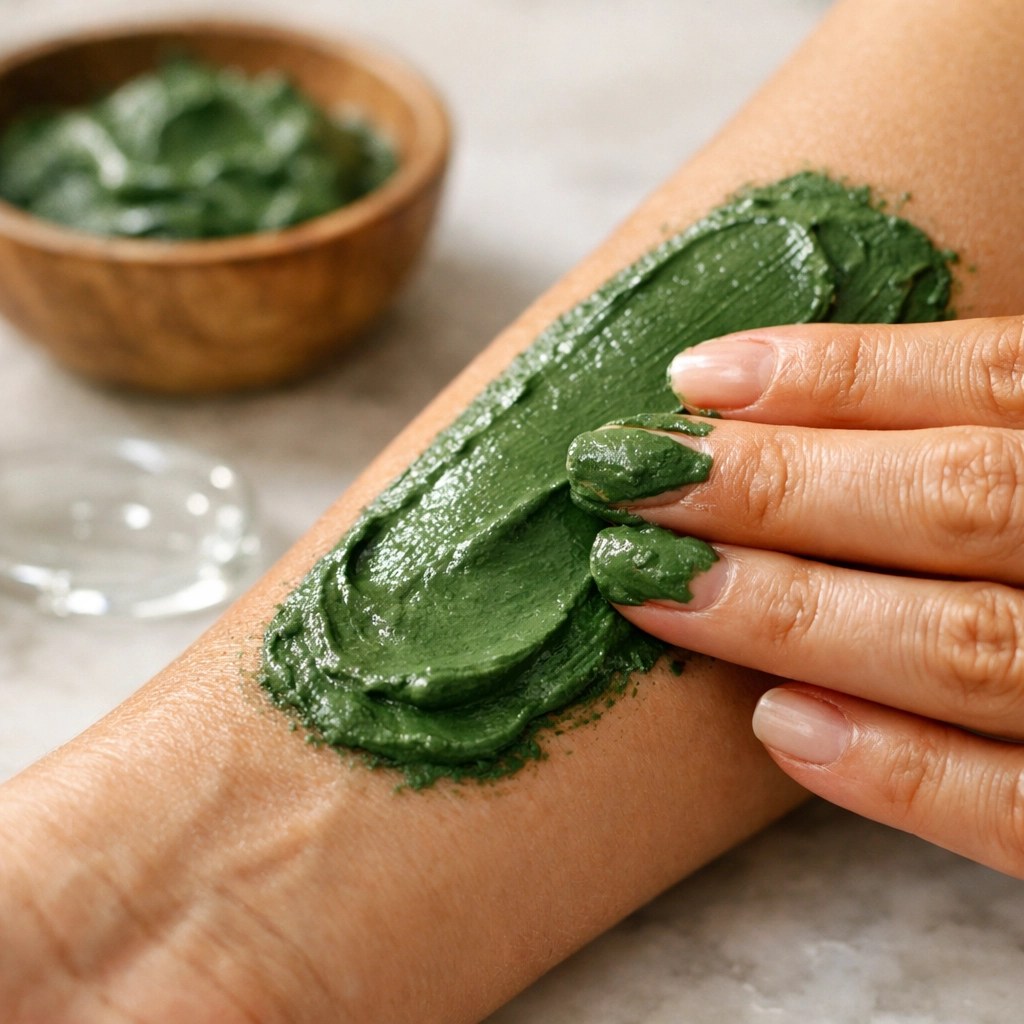
- Mix with Care: Use a non-metal bowl and spoon (metal can mess with the clay’s ionic charge). Mix your green clay with distilled water or organic rose water until it’s a thick paste.
- Apply and Relax: Spread a thick layer over the affected area. Don't let it dry until it's cracking and white: that will actually pull too much moisture out of your skin.
- Rinse Gently: After about 10-15 minutes, or once it starts to feel tacky, rinse it off with lukewarm water.
- Seal the Moisture: This is the most important step! Immediately apply a high-quality, eczema-safe moisturizer or oil (like jojoba or squalane) to lock in the minerals and hydration.
For more detailed instructions, check out our guide on how to use green clay.
What the Science Says
It’s not just "folk medicine." Research into the chemical and mineralogical characteristics of French green clays has shown that the high concentration of Illite and Montmorillonite provides a unique therapeutic effect.
Another study on medicinal clay and skin barrier repair suggests that minerals found in clay can help stimulate the production of collagen and improve the skin's structural integrity. This is exactly what someone with eczema needs: not just a temporary stop to the itch, but a way to help the skin rebuild itself.
Finding the Right Source
If you are looking for authentic French Green Clay, you can check out specialized sources like soinargile.com or argilesoin.com. These sites focus on the traditional, therapeutic use of clay that has been a staple in European pharmacies for decades.
When you're ready to make the switch from chemical-heavy creams to a natural solution, choosing the right green clay is the most important decision you'll make.

Final Thoughts: Is It Right for You?
Eczema is a journey, and what works for one person might not work for another. However, the mineral-rich, detoxifying nature of eczema green clay offers a compelling, side-effect-free alternative to the standard steroid-heavy routine.
By choosing a high-quality, certified pure clay like Clayer, you’re giving your skin the minerals it needs to heal while gently drawing out the irritants that cause flare-ups in the first place. It's about working with your body’s biology rather than just numbing the symptoms.
So next time you feel that familiar itch coming on, maybe skip the steroid tube and reach for the green clay instead. Your skin might just thank you for it.
For more tips on natural healing and skin health, stay tuned to The Green Clay Blogger. We’re here to make the world of clay simple, safe, and effective for everyone.
Leave a Reply