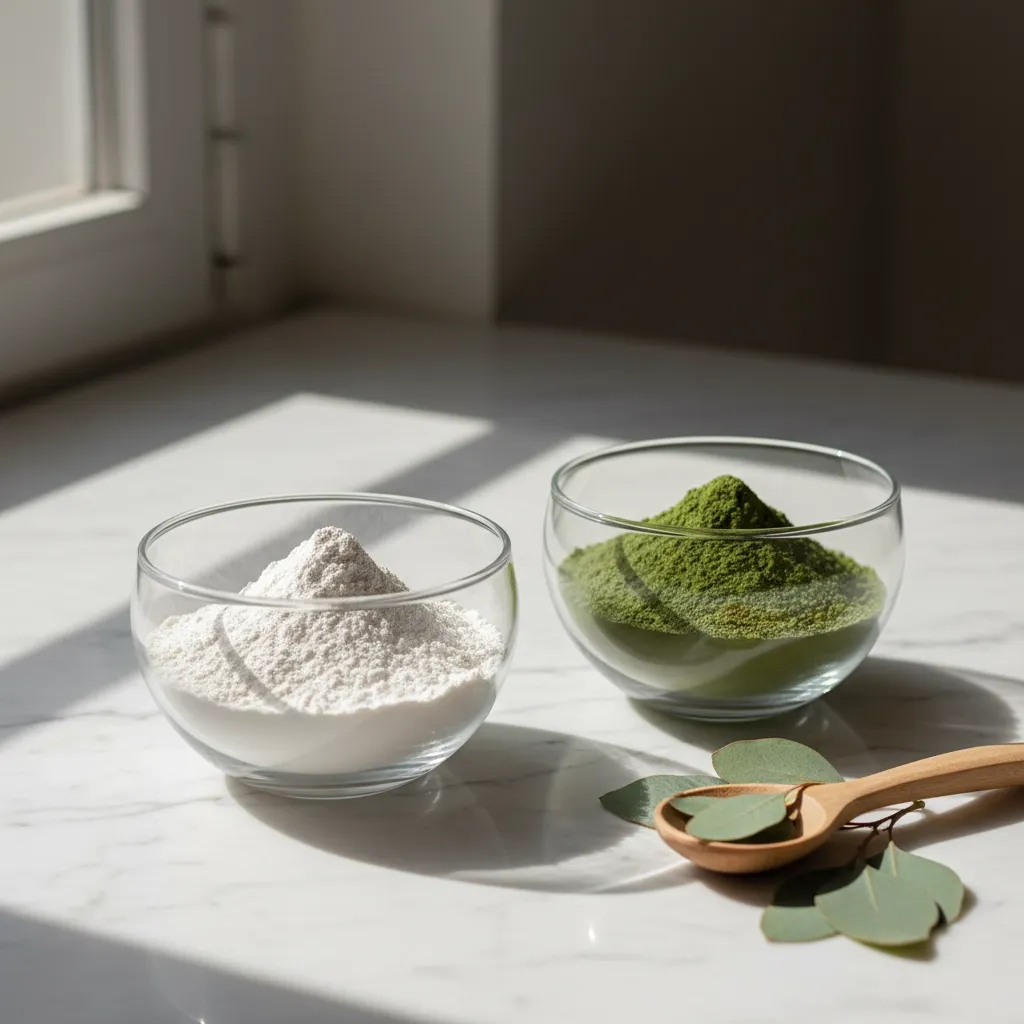
When it comes to natural skincare, clay masks have become a cornerstone of effective beauty routines. Among the most popular options, green clay and kaolin clay stand out as powerful yet distinct choices for different skin concerns. Understanding the unique properties of each clay type can help you make an informed decision about which one deserves a spot in your skincare arsenal.
Both green clay and kaolin clay offer impressive benefits, but they work in fundamentally different ways. Green clay delivers intensive detoxification and oil control, making it ideal for oily and acne-prone skin types. Kaolin clay, on the other hand, provides gentle cleansing and balancing properties that work well for sensitive, dry, and normal skin types.
Understanding Kaolin Clay: The Gentle Powerhouse
Kaolin clay, also known as white clay or China clay, represents one of the mildest yet most effective clay options available. This fine-grained mineral is primarily composed of kaolinite and boasts a naturally neutral pH, making it suitable for virtually all skin types, including the most sensitive complexions.
Key Properties and Benefits
The gentle nature of kaolin clay stems from its unique molecular structure. Rich in silica, this clay features extremely fine particles that create a soft, silky texture when mixed with water. Unlike more aggressive clays, kaolin works by drawing out impurities and absorbing excess oil without disrupting your skin's natural moisture barrier.
Research published in dermatological journals indicates that kaolin clay's mild absorption properties make it particularly effective for maintaining skin balance. According to studies on clay minerals in skincare, kaolin clay can absorb up to 25% of its weight in oil and impurities while remaining gentle enough for daily use.
Ideal Applications for Kaolin Clay
Kaolin clay excels in several key areas:
Sensitive Skin Management: The clay's soothing properties help calm irritation and reduce redness, making it an excellent choice for those with reactive skin conditions like rosacea or eczema.
Oil Control Without Over-Drying: Unlike harsh astringents, kaolin clay absorbs excess sebum while preserving the skin's natural protective oils. This balanced approach prevents the rebound oil production that often occurs with aggressive treatments.
Gentle Exfoliation: The fine particles provide mild physical exfoliation, helping to remove dead skin cells and promote cell turnover without causing micro-tears or irritation.
Even Skin Tone: Regular use of kaolin clay can help minimize the appearance of pores and create a more uniform complexion by removing surface impurities that can cause uneven texture.
Pros and Cons of Kaolin Clay
Advantages:
- Suitable for all skin types, including sensitive skin
- Gentle enough for frequent use (2-3 times per week)
- Maintains skin's natural moisture balance
- Anti-inflammatory properties reduce redness
- Affordable and widely available
Considerations:
- Less effective for severe acne or very oily skin
- May not provide deep enough cleansing for clogged pores
- Results may be subtler compared to stronger clays
For those interested in exploring other gentle clay options, our guide on bentonite clay benefits for sensitive skin provides additional alternatives.
Exploring Green Clay: The Deep-Cleansing Detoxifier
French green clay, scientifically known as Illite clay or sea clay, represents the more intensive end of the clay spectrum. Its distinctive green color comes from high concentrations of iron oxides, decomposed plant matter, kelp, and algae, creating a mineral-rich powerhouse for skin detoxification.

Mineral Composition and Skin Benefits
Green clay's effectiveness stems from its exceptional mineral profile. According to research on French green clay composition, this clay contains significant amounts of:
- Magnesium: Supports skin repair and reduces inflammation
- Calcium: Strengthens skin barrier function
- Potassium: Helps maintain proper skin hydration
- Iron Oxides: Provide antioxidant protection
- Aluminum Silicates: Deliver strong absorption properties
These minerals work synergistically to provide multiple skin benefits beyond simple oil absorption.
Targeted Benefits for Problem Skin
Green clay's strong absorption capacity makes it particularly effective for addressing specific skin concerns:
Acne and Breakout Control: The clay's natural antibacterial properties, derived from its marine origins, help combat acne-causing bacteria. Studies show that green clay can reduce bacterial colonization by up to 60% when used regularly.
Deep Pore Cleansing: The negative ionic charge of green clay attracts and binds positively charged toxins, dirt, and excess oil, pulling them from deep within pores. This process is more intensive than what kaolin clay can achieve.
Inflammation Reduction: The anti-inflammatory compounds naturally present in green clay help soothe active breakouts and reduce the redness associated with acne and other skin irritations.
Skin Texture Improvement: Regular use promotes cellular turnover, which can help reduce the appearance of acne scars, fine lines, and hyperpigmentation over time.
Pros and Cons of Green Clay
Advantages:
- Powerful detoxification and oil absorption
- Natural antibacterial and anti-inflammatory properties
- Effective for acne-prone and very oily skin
- Helps minimize pore appearance
- Supports skin healing and regeneration
Considerations:
- May be too strong for sensitive or dry skin
- Can cause over-drying if used too frequently
- Requires careful application and timing
- Not suitable for daily use for most skin types
For more information on maximizing clay mask benefits, check our comprehensive clay mask application guide.
Head-to-Head Comparison

| Aspect | Kaolin Clay | Green Clay |
|---|---|---|
| Absorption Power | Mild to Moderate | Strong to Very Strong |
| Best Skin Types | All types, especially sensitive/dry | Oily, acne-prone, combination |
| Usage Frequency | 2-3 times per week | 1-2 times per week |
| Mineral Content | High silica content | Rich in iron, magnesium, potassium |
| pH Level | Neutral (6.5-7) | Slightly alkaline (7-8) |
| Antibacterial Properties | Mild | Strong |
| Drying Potential | Low | Moderate to High |
| Price Range | Budget-friendly | Moderate |
| Availability | Widely available | Specialty stores/online |
Scientific Evidence and Expert Opinions
Dermatological research supports the efficacy of both clay types for different skin concerns. A 2018 study published in the International Journal of Cosmetic Science found that kaolin clay consistently improved skin texture and reduced oiliness without causing irritation in 89% of participants with sensitive skin.
Conversely, research on green clay published in the Journal of Applied Clay Science demonstrated significant improvements in acne lesions and oil production in participants with oily, acne-prone skin when used twice weekly over 12 weeks.
Board-certified dermatologists often recommend starting with kaolin clay for those new to clay masks, as it allows the skin to adjust gradually to clay treatments without risking over-drying or irritation.
Making the Right Choice for Your Skin
Choose Kaolin Clay If You Have:
- Sensitive or reactive skin that easily becomes irritated by active ingredients
- Dry to normal skin that needs gentle cleansing without moisture stripping
- Rosacea or eczema that requires soothing, anti-inflammatory treatments
- Fine or thin skin that may be damaged by aggressive treatments
- Limited experience with clay masks and want to start gently
Choose Green Clay If You Have:
- Oily skin with excessive sebum production throughout the day
- Acne-prone skin with regular breakouts and clogged pores
- Large or visible pores that need intensive cleansing
- Combination skin with an oily T-zone that needs targeted treatment
- Resilient skin that can handle stronger active ingredients
Combination Approach Strategies
Many skincare enthusiasts successfully use both clays in their routines:
Weekly Rotation: Use kaolin clay 2-3 times per week for maintenance, and green clay once weekly for deep cleansing.
Zone Treatment: Apply kaolin clay to sensitive areas like cheeks, and green clay to oiler zones like the T-zone.
Seasonal Adjustments: Use green clay more frequently during humid months when oil production increases, and switch to kaolin clay during dry winter months.
For those interested in exploring other clay combinations, our article on mixing different clays for custom treatments provides detailed guidance.
Application Tips for Maximum Effectiveness
Regardless of which clay you choose, proper application ensures optimal results:
Preparation: Always start with clean, damp skin to help the clay spread evenly and penetrate effectively.
Consistency: Mix clay with filtered water, rose water, or aloe vera gel to create a smooth paste that's easy to apply.
Application: Use a brush or clean hands to apply an even layer, avoiding the eye area and lips.
Timing: Leave kaolin clay masks on for 10-15 minutes, while green clay masks should be removed after 8-12 minutes to prevent over-drying.
Removal: Remove with lukewarm water and follow with a gentle moisturizer to restore hydration.
Both green clay and kaolin clay offer unique benefits that can transform your skincare routine when chosen and used appropriately. Consider your skin type, concerns, and sensitivity level when making your selection, and don't hesitate to consult with a dermatologist if you're dealing with persistent skin issues. The right clay mask can become a powerful tool in achieving healthier, more balanced skin.
For additional clay mask recipes and techniques, explore our complete guide to DIY clay treatments to customize your skincare routine further.

