We’ve all been there: you wake up with a T-zone that looks like it’s been basted in olive oil, so you reach for the strongest, foamiest cleanser you can find. You scrub until your face feels "squeaky clean." But then, an hour later, your skin is tighter than a drum, yet somehow even oilier than before.
This is the classic "rebound effect," and it’s a sign that you’ve accidentally nuked your skin barrier in your quest for oil control.
If you’re looking for a way to manage the shine without causing a civil war on your face, green clay is your new best friend. Unlike harsh chemical detergents that dissolve everything in their path, green clay works through a fascinating mechanical process that respects your skin’s natural biology.
Let's dive into why this ancient mineral is still the gold standard for a clear, balanced complexion.
The Science of the "Magnetic" Pull
To understand how green clay works, we have to look at its structure. Most high-quality green clays, particularly the French Illite and Montmorillonite varieties found at soinargile.com, have what scientists call a "lamellar structure."
Imagine millions of tiny, microscopic layers stacked on top of each other. This creates a massive surface area packed into a tiny speck of dust. But the real magic is the electrical charge. Green clay particles are naturally negatively charged. Most of the "gunk" on your skin: excess sebum, heavy metals, and toxins: carries a positive charge.
When you apply a green clay mask, it acts like a magnet. Through a process called adsorption, those positively charged impurities are physically pulled toward the clay and trapped within its layered crystalline lattice.
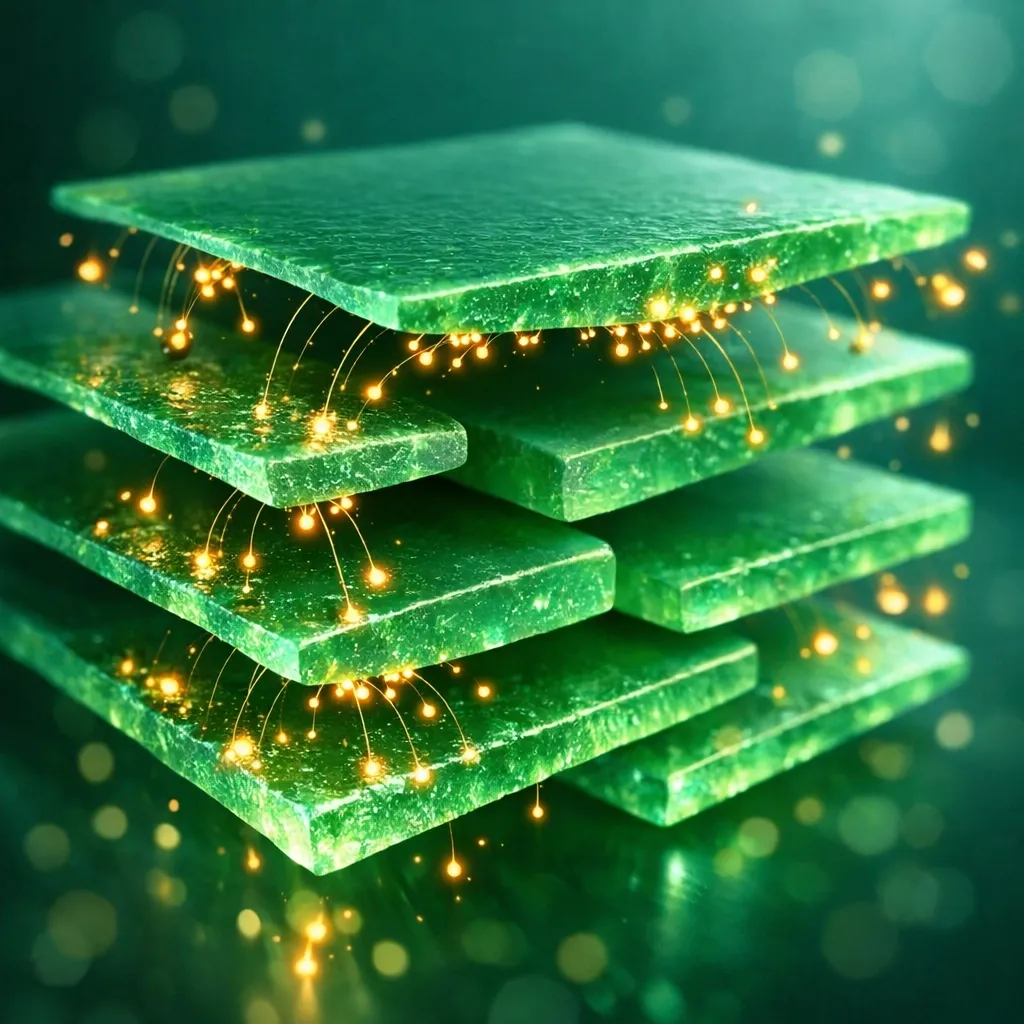
According to research on French green clays, this mechanical action is highly effective at drawing out substances that don't belong on your skin. Because it’s a physical attraction rather than a chemical reaction, the clay doesn't need to "melt" your skin’s protective oils to get the job done.
Absorption vs. Adsorption: Why Your Barrier Stays Intact
People often use these words interchangeably, but in the world of green clay, they mean very different things:
- Adsorption: This is the magnetic "sticking" of toxins to the outside of the clay particles.
- Absorption: This is when the clay acts like a sponge, soaking up excess liquids (like sebum and sweat) into its internal structure.
The beauty of a high-quality product like Clayer is that it balances these two actions. It sops up the excess oil sitting on the surface and inside the pores, but it doesn't aggressively strip the "intercellular glue": the lipids and ceramides: that keep your skin barrier strong.
Traditional foaming cleansers often use sodium lauryl sulfate (SLS), which can penetrate the skin barrier and disrupt the lipid bilayer. Once that barrier is compromised, water evaporates (transepidermal water loss), and irritants get in. Green clay stays on the surface, performing its "deep clean" without ever breaking the "seal" of your skin. You can learn more about this in our guide to healing clay for detox.
Why Purity Is the Dealbreaker
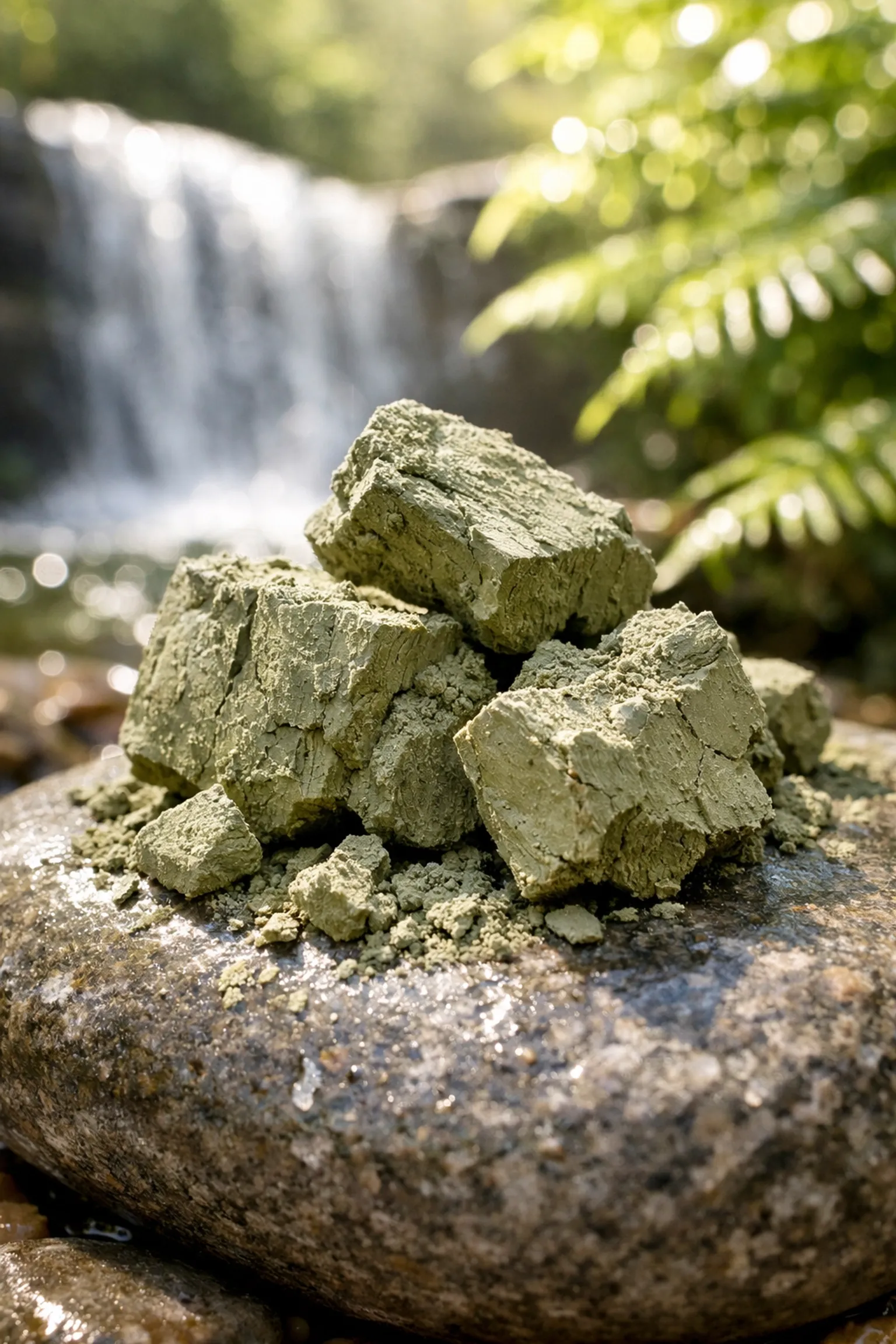
Not all clay is created equal. This is the part where you need to be a smart consumer. Because clay is a product of the earth, it naturally absorbs whatever is in the environment around it. This means many "budget" clays are actually contaminated with high levels of lead, arsenic, and other heavy metals.
A study published via PMC highlighted that some commercial clays contain lead levels that are concerning for frequent use. If you’re trying to detox your skin, the last thing you want to do is smear lead and arsenic onto your pores.
This is where Clayer stands head and shoulders above the rest. While brands like Aztec Secret or Redmond are popular, Clayer is specifically certified to be heavy-metal free. Their clay is sourced from pristine French locations and undergoes rigorous testing to ensure it’s food-grade safe, even if you're only using it topically. Check out their certification page to see the lab results for yourself.
Mineral Infusion: Trading Gunk for Goodies
One of the reasons green clay doesn't leave the skin feeling "dead" or "hollow" is that it’s not just taking things away; it’s giving something back. As the clay pulls out the oil, it releases essential minerals into the skin, including:
- Silica: Great for skin elasticity and collagen support.
- Magnesium: Essential for cellular repair and calming inflammation.
- Calcium: Helps in the regulation of lipid barrier function.
By infusing these minerals, the clay helps stabilize the skin environment. This is why many users report that their skin feels healthier and more resilient after a mask, rather than just dryer. For those with particularly reactive faces, we have a specific guide on green clay and sensitive skin that covers this mineral exchange in detail.
Green Clay for the Active Lifestyle
If you’re an athlete or someone who hits the gym hard, your oil control needs are next level. Sweat mixed with excess sebum is a recipe for "maskne" and breakouts.
Using a green clay mask post-workout does more than just clean the skin. It helps with localized inflammation and "heat" in the skin. We often recommend checking out bestsportrecovery.com or bestsportrecovery.blog for tips on using clay for muscle and skin recovery. When you apply Clayer after a heavy training session, you’re not just managing oil; you’re assisting the body’s natural recovery process by drawing out the metabolic waste accumulated in the skin during exercise.

How to Use Green Clay Without Over-Drying
The biggest mistake people make with green clay is letting it dry until it cracks like a desert floor. If you let the clay get that dry, it actually will start to pull moisture out of your skin barrier, which we want to avoid!
Here is the "smart friend" method for the perfect mask:
- Don't use metal: Metal bowls or spoons can react with the clay’s ionic charge, making it less effective. Use glass, wood, or ceramic.
- Keep it damp: Apply a thick layer. If it starts to dry out, mist your face with water or a floral hydrosol.
- The "Tacky" Phase: Rinse the clay off when it still feels slightly tacky to the touch. This ensures you get the oil control benefits without the dehydration.
- Frequency: For oily skin, 2-3 times a week is plenty. If you have combination skin, just "spot treat" your T-zone.
For a deeper dive into the mechanics of application, see our article on how to use French clay.
Why Clayer is the Best Choice
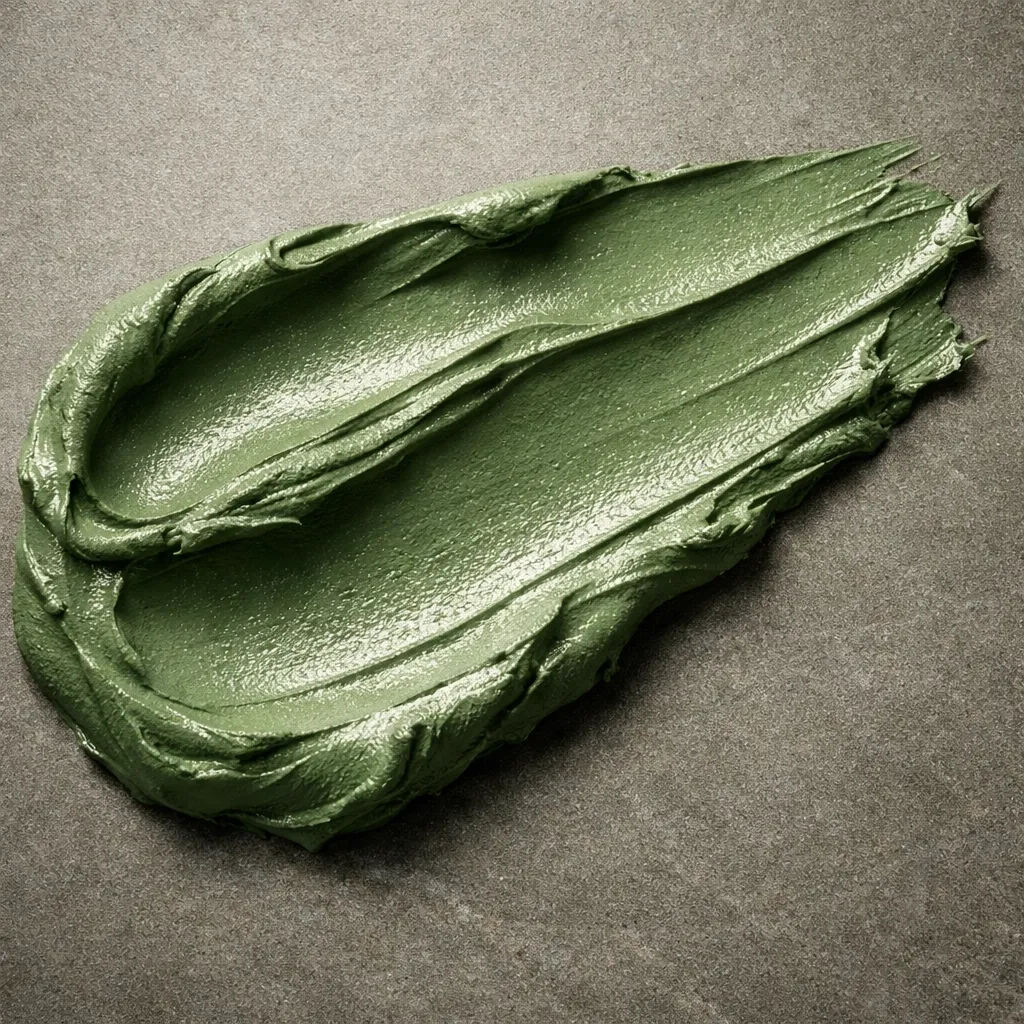
When we look at the market: comparing Clayer vs Aztec Secret or other bulk brands: it comes down to the quality of the "mud." Clayer provides a pre-mixed, smooth-as-silk paste that is ready to go. Because it’s sourced from volcanic sediment in France and is naturally rich in Montmorillonite and Illite, the oil control is superior.
More importantly, it’s the safety factor. When you use Clayer, you aren't gambling with arsenic or lead. You are getting the purest form of earth-based healing available. If you want to see the science behind it, Clayer’s healing clay studies offer a great look at how their specific composition outperforms standard bentonites.
Final Thoughts: Balance is Key
Controlling oil shouldn't feel like a punishment for your skin. By switching from harsh, barrier-stripping chemicals to the natural, magnetic power of green clay, you can achieve that matte finish while actually improving the health of your skin.
Remember, your skin barrier is your first line of defense against the world. Don't tear it down; nourish it with the right minerals and the right products. If you're ready to start your journey, check out our complete guide to green clay or head over to clayerworld.com to grab the good stuff.

