Green clay has become increasingly popular in skincare routines and wellness practices, but questions about its safety continue to circulate. With so much conflicting information online, it's important to separate fact from fiction when it comes to using green clay safely and effectively.
Common Myths About Green Clay Safety
Myth 1: Green Clay is Too Harsh for Sensitive Skin
One of the most persistent myths is that green clay will automatically irritate sensitive skin. This simply isn't true when the clay is used properly. Green clay can be safely used on sensitive skin when blended with soothing ingredients like rosehip oil, jojoba oil, or argan oil. Adding calming components such as chamomile or cucumber extract can further reduce any potential irritation.
The key for sensitive skin users is moderation: using green clay masks once every two weeks instead of weekly allows the skin time to recover while still providing benefits.

Myth 2: All Green Clay Products are the Same
Not all green clay is created equal. The source, processing methods, and purity levels can vary significantly between products. Some commercial clays may contain impurities or lack the mineral content that makes authentic green clay beneficial. Quality matters when it comes to both safety and effectiveness.
Myth 3: Green Clay Can Be Used Internally Without Risk
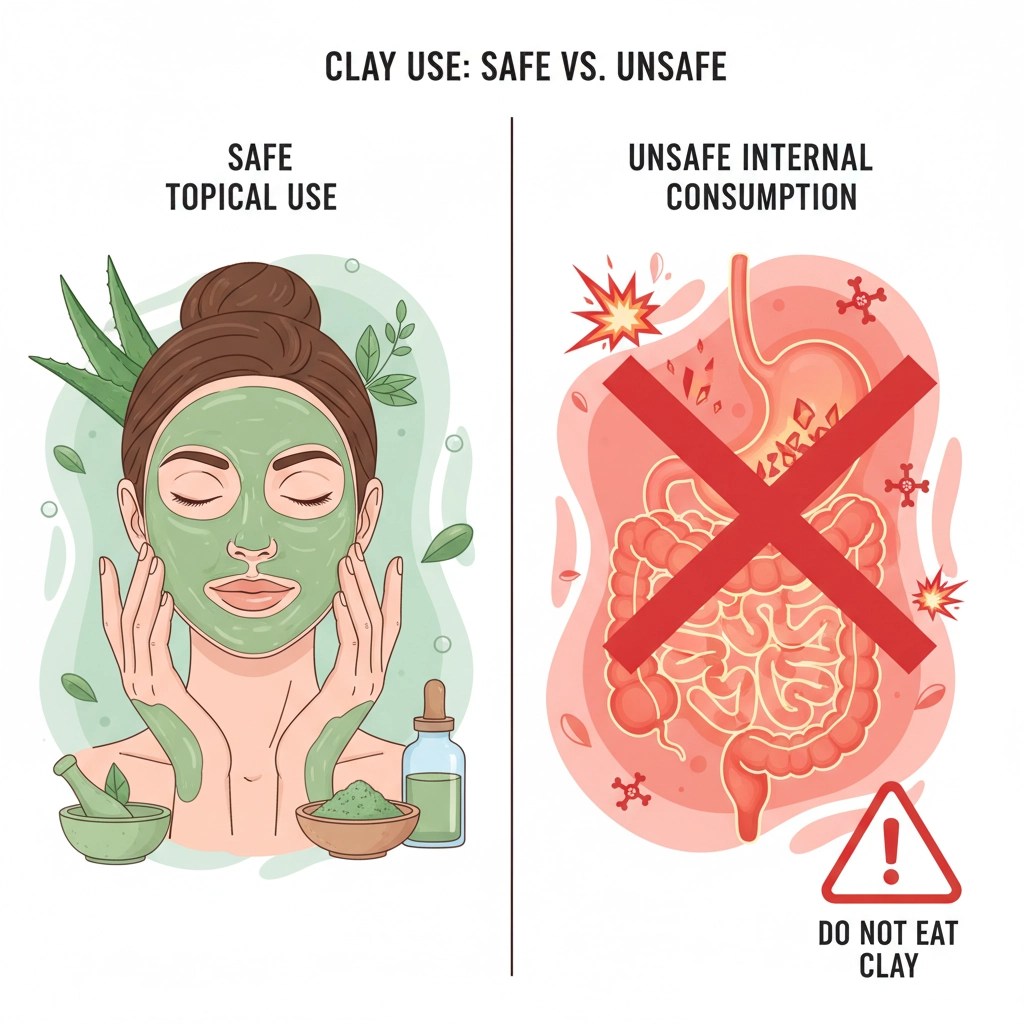
This is perhaps the most dangerous myth. While some people promote consuming clay for internal cleansing, this practice carries significant risks that many enthusiasts overlook or downplay.
The Facts About Topical Green Clay Safety
Scientific Evidence for Skin Safety
Research shows that green clay is actually the least immunogenic of commercially available clays. Studies have found that green clay demonstrates therapeutic potential with antibacterial properties at concentrations as low as 75 grams per liter, making it effective while remaining gentle on the skin.
When applied topically, green clay works by drawing out impurities through its rich mineral content, including magnesium, calcium, potassium, and silica. This creates a natural detoxification process that helps unclog pores and prevent breakouts without the harsh effects of synthetic ingredients.

Natural Exfoliation Benefits
Green clay provides gentle exfoliation that removes dead skin cells and promotes natural cell turnover. This process helps maintain healthy, radiant skin without the micro-tears that can occur with physical scrubs or harsh chemical exfoliants.
Internal Use: Understanding the Real Risks
Short-Term vs. Long-Term Consumption
Medical research indicates that oral clay consumption may be possibly safe only for very short periods: up to 3 grams daily for 3 months or 4 grams daily for 6 weeks. However, even short-term use can cause side effects including constipation, vomiting, or diarrhea.
Long-term internal use is considered possibly unsafe and can lead to serious health complications including:
- Low potassium levels (hypokalemia)
- Iron deficiency
- Lead poisoning
- Muscle weakness
- Intestinal blockage
- Breathing problems
- Skin sores
Why Internal Use is Problematic
The digestive system isn't designed to process clay minerals in the quantities typically recommended by wellness influencers. Clay can bind to essential minerals and medications in the digestive tract, potentially causing deficiencies or reducing the effectiveness of prescribed treatments.
Heavy Metal Contamination: A Serious Safety Concern
The Hidden Danger
One of the most concerning safety issues with clay products is heavy metal contamination. Studies examining healing clays have found varying levels of lead, mercury, arsenic, and cadmium: toxic metals that can cause serious health problems.
These metals can be absorbed through the skin and mucous membranes, or accidentally ingested during use. The health risks include nervous system damage, developmental problems, and increased cancer risk.
Lead Exposure Risk
Particularly alarming is the presence of lead in some clay products. There is no safe level of lead exposure, especially for pregnant women and children. Lead poisoning can cause irreversible neurological damage and developmental delays.

Quality and Sourcing Matter
Choosing Safe Green Clay Products
Not all green clay products undergo proper testing for heavy metals and other contaminants. When selecting green clay, look for:
- Third-party testing certificates
- Clear sourcing information
- Reputable manufacturers with quality controls
- Products specifically labeled for cosmetic use
- Certifications from recognized safety organizations
Red Flags to Avoid
Be cautious of products that:
- Make unrealistic health claims
- Recommend internal use without medical supervision
- Lack clear ingredient lists
- Come from unknown or unverified sources
- Are significantly cheaper than similar products (which may indicate poor quality control)
Safe Usage Guidelines
For Topical Application
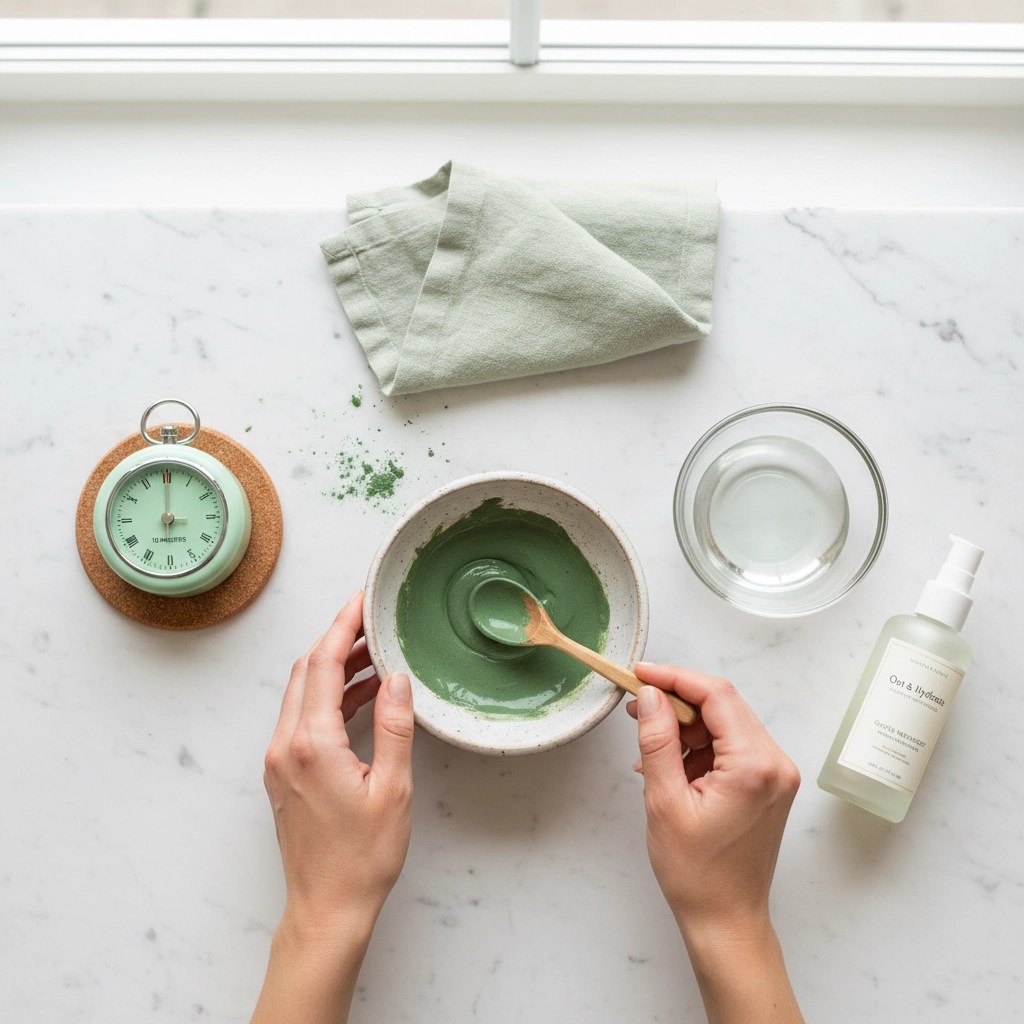
To use green clay safely on your skin:
- Always perform a patch test before full application
- Mix clay with filtered water or natural oils, never tap water
- Apply to clean skin and avoid the eye area
- Leave on for 5-10 minutes maximum for sensitive skin, up to 15 minutes for normal skin
- Remove with lukewarm water before the clay becomes completely dry
- Follow with a gentle moisturizer
- Limit use to once or twice per week maximum
Special Precautions
Pregnant and breastfeeding women should consult healthcare providers before using any clay products. People with skin conditions like eczema or rosacea should start with very small amounts and monitor their skin's response carefully.
Children should only use green clay products under adult supervision, and products should never be left where young children might accidentally ingest them.
Understanding Your Skin's Response
Normal Reactions
It's normal to experience slight redness immediately after removing a green clay mask, which should fade within 30 minutes. A mild tingling sensation during application is also typical and indicates the clay is working to draw out impurities.
When to Stop Use
Discontinue use immediately if you experience:
- Persistent redness lasting more than an hour
- Burning or painful sensations
- Swelling or hives
- Increased breakouts that don't improve after several weeks
- Any signs of allergic reaction
The Bottom Line on Green Clay Safety
Green clay can be a safe and beneficial addition to your skincare routine when used properly and sourced from reputable suppliers. The key is understanding the difference between safe topical use and the risks associated with internal consumption or low-quality products.
Focus on finding high-quality, tested products, start slowly to assess your skin's tolerance, and never ignore warning signs that a product isn't right for you. When used responsibly, green clay offers genuine skincare benefits without the safety concerns that plague many synthetic alternatives.
Remember that natural doesn't automatically mean safe for all uses or all people. By staying informed about both the benefits and risks, you can make educated decisions about incorporating green clay into your wellness routine safely and effectively.
Leave a Reply