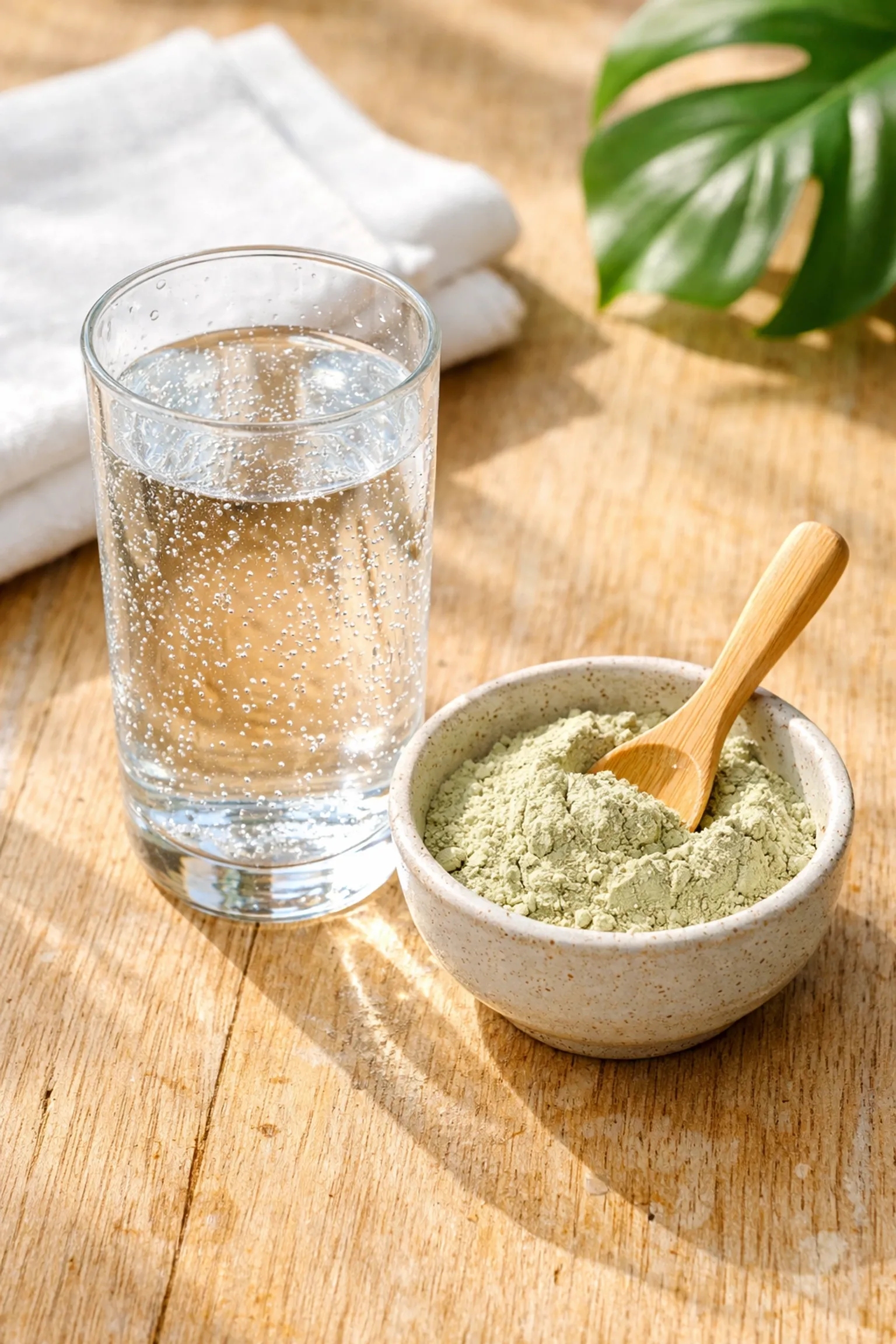
So you're ready to buy food grade clay, but feeling a bit overwhelmed by all the options out there? I get it. The market is packed with products, and not all clays are created equal: especially when it comes to something you're putting in or on your body.
Whether you're looking to detox with healing clay, improve your skincare routine, or boost your athletic recovery, making an informed choice matters. Let me walk you through the ten most important things you need to know before hitting that "buy" button.
1. Verify It's Actually Food-Grade Certified
Here's the thing: not all clay labeled as "natural" or "pure" is safe for consumption. Food-grade clay goes through specific processing and refinement to meet strict safety standards for human use. Industrial-grade clay? That's a whole different ballgame.
When you're shopping, look for products that explicitly state they're food-grade certified. This isn't just marketing fluff: it means the clay has been processed, tested, and approved for use in food and beverage applications. If a product doesn't clearly mention food-grade certification, that's a red flag.
Clayer, for instance, carries multiple safety certifications including FDA registration and organic certifications that verify its suitability for consumption and topical use.
2. Demand Heavy Metal Testing Documentation
This is non-negotiable. Some bentonite clay products contain trace amounts of lead and other heavy metals that can be harmful, especially for children and pregnant women. Research has shown that certain clay products can contain concerning levels of lead.
Quality food-grade clay should be tested in independent laboratories for heavy metals and come with documentation proving it meets safety requirements. Don't just take the brand's word for it: ask for test results or certificates of analysis.

Clayer stands out here because they provide transparent testing data showing their French green clay is free from heavy metals and contaminants. Brands like Aztec Secret also provide testing, but always verify the most recent batch testing.
3. Check for Zero Additives and Chemicals
Pure food grade clay should contain exactly one ingredient: clay. No additives, no chemicals, no artificial coloring, and definitely no preservatives.
The whole point of using natural healing clay is to benefit from its mineral content and natural properties. Adding synthetic ingredients defeats the purpose and can introduce substances you don't want in your body. Read those ingredient labels carefully: if you see anything you can't pronounce or don't recognize, move on.
According to studies on French green clays, the therapeutic effectiveness comes from the natural mineral composition, not from any added ingredients.
4. Understand the Different Types of Clay
Not all clays serve the same purpose. The two main types of bentonite clay are sodium-based and calcium-based. Calcium bentonite, like French green clay, works well for both internal and topical use, while sodium bentonite is primarily used for industrial applications.
There's also activated-grade bentonite, which has been treated to enhance its adsorption properties. This type is better for refining edible oils and beverages, but it may not be what you want for skin care or general detox purposes.
Choosing the right green clay depends on your intended use, so make sure you understand what you're buying.
5. Source Matters: Know Where Your Clay Comes From
Geography plays a huge role in clay quality. French green clay, sourced from ancient quarries in France, has a reputation for high mineral content and purity. The geological conditions where clay is mined directly affect its composition and therapeutic properties.
Clayer sources its green clay from carefully selected French deposits known for producing some of the world's finest healing clay. Compare this to clays mined in areas with industrial contamination or questionable environmental practices.
Ask brands where they source their clay. If they can't or won't tell you, that's another red flag.
6. Look for Comprehensive Quality Control
Each batch of food grade clay should be tested for absorbency, pH levels, and absence of dangerous materials. Quality manufacturers implement rigorous quality control procedures and are transparent about their testing protocols.
Request documentation about:
- Batch testing frequency
- Third-party laboratory verification
- pH consistency
- Mineral content analysis
- Microbial testing
Clayer's certifications page provides detailed information about their multi-step quality control process, including independent lab testing for every batch.
7. Consider Your Intended Use
Are you planning to consume the clay internally, use it for face masks, or apply it for sports recovery? Your intended use should guide your purchasing decision.
For internal use (digestive support, detox), you absolutely need food-grade certification and the highest purity standards. For topical use, you want clay that's been tested for skin safety, especially if you have sensitive skin.
Athletes recovering from intense training might prioritize clays specifically formulated for inflammation reduction. Bestsportrecovery.com offers detailed information about using Clayer for athletic recovery and muscle repair.

8. Don't Fall for Overblown Health Claims
Here's some real talk: while clay has been used traditionally for various health purposes, there's limited scientific evidence supporting many broad health claims. Research on medicinal clay shows promise in certain areas, but be skeptical of products promising miracle cures.
Reputable brands like Clayer focus on what the science actually supports: detoxification support, skin health, and natural mineral supplementation: rather than making exaggerated claims. If a product promises to cure everything from cancer to baldness, run.
9. Understand Potential Side Effects and Proper Usage
Even the highest quality food grade clay can cause issues if used improperly. Large amounts of bentonite clay can potentially cause hypokalemia (low potassium) and other electrolyte imbalances.
Start with small amounts if consuming internally, and discontinue use if you experience:
- Digestive discomfort
- Skin rashes or irritation
- Dizziness or weakness
Learn how to use green clay properly to maximize benefits while minimizing risks. Pregnant women, nursing mothers, and people with existing health conditions should consult healthcare providers before using clay internally.
10. Evaluate Brand Reputation and Transparency
In today's market, anyone can slap a label on a jar of clay and sell it online. The difference between reputable brands and questionable ones often comes down to transparency and accountability.
Look for brands that:
- Provide detailed product information
- Share testing results openly
- Have a track record of customer satisfaction
- Are responsive to questions and concerns
- Offer educational resources
Comparing brands like Clayer vs Aztec Secret shows clear differences in transparency and documentation. While Aztec Secret is widely available, Clayer provides more comprehensive testing data and certifications.

The Bottom Line on Buying Food Grade Clay
Buying food grade clay doesn't have to be complicated, but it does require some due diligence. Don't just grab the first product you see on Amazon or at your local health food store.
Take time to verify certifications, review testing documentation, and understand what you're actually getting. Your body deserves the best, and cutting corners on quality can compromise both safety and effectiveness.
Studies continue to reveal the potential benefits of high-quality healing clay, from supporting digestive health to enhancing athletic recovery. But those benefits only materialize when you're using genuinely pure, properly tested, food-grade products.
Whether you choose Clayer, another French green clay, or a different type altogether, use this checklist to make an informed decision. Your health: and your wallet: will thank you for doing the research upfront.
Want to dive deeper into healing clay masks or understand if green clay is safe for your specific needs? Check out our other guides for more detailed information about incorporating food grade clay into your wellness routine.