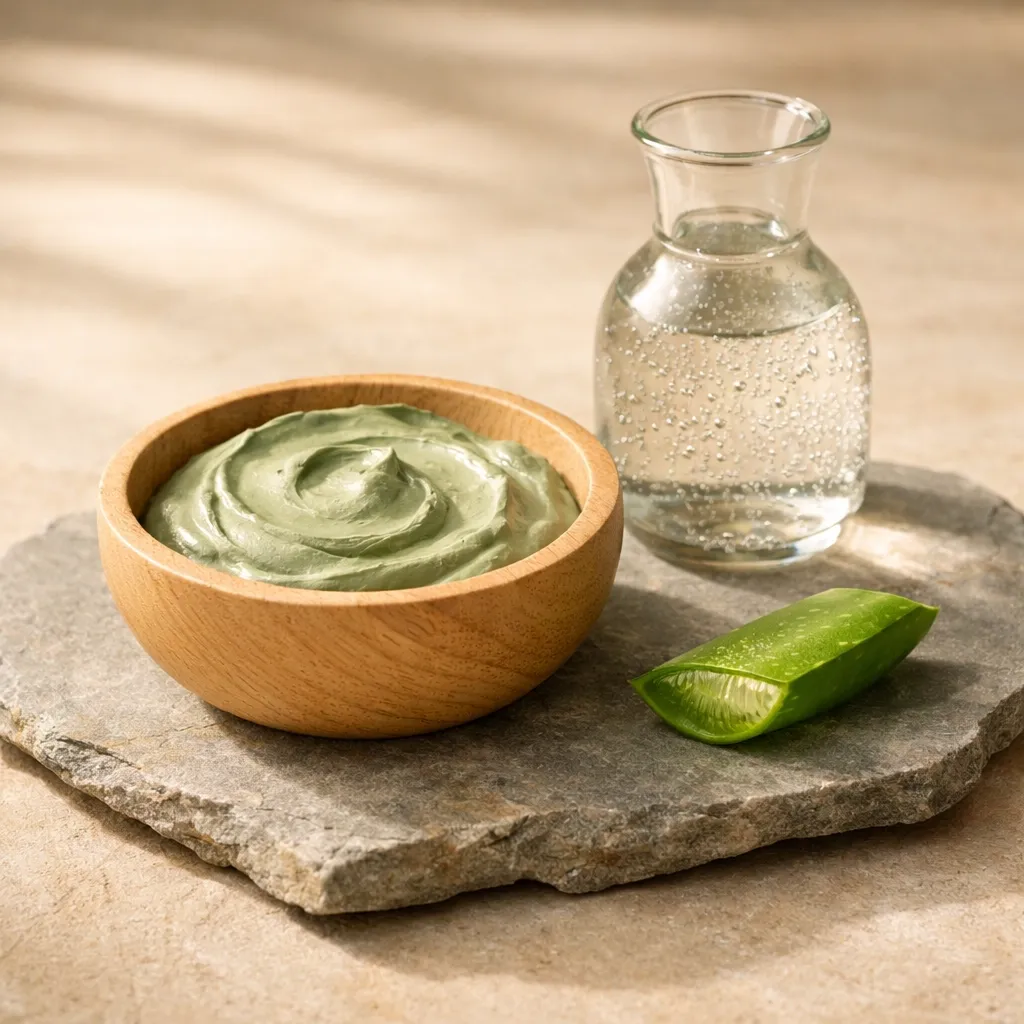
If you’ve ever looked in the mirror and seen a face that looks like it just finished a marathon: even though you were just sitting on the couch: you know the frustration of skin redness. Whether it’s caused by rosacea, acne, sun exposure, or just general sensitivity, that "flushed" look often comes with heat, itching, and a whole lot of irritation.
The standard move is to reach for a chemical-heavy anti-redness cream. But here’s the thing: many of those creams just mask the symptoms or, worse, use harsh ingredients that end up stripping your skin’s natural barrier, leading to even more redness down the line.
That’s where green clay, specifically high-quality Illite clay, comes into play. It doesn’t just sit on the surface; it works with your body’s biology to calm things down. In this guide, we’re going to dive deep into the anti-inflammatory power of green clay for redness and how it stacks up against the big names in the industry.
Why Does Skin Get Red Anyway?
Redness is basically your skin’s way of screaming for help. It’s an inflammatory response. When your skin is irritated, your blood vessels dilate to bring more blood (and immune cells) to the area to "fix" the problem. This results in that localized heat and red hue.
While inflammation is a natural healing process, chronic redness means your skin is stuck in an "on" position. To fix it, you need something that can:
- Cool the tissue temperature.
- Absorb the triggers (toxins and bacteria).
- Provide minerals that tell the cells to stop overreacting.
Green Clay: The Natural Anti-Inflammatory Hero
Green clay is unique because it’s not just "mud." It’s a mineral-rich powerhouse. Scientific studies have shown that certain healing clays can actually inhibit inflammatory markers like COX-2 and IL-1β (you can read more about how healing clay works for detox here).
When you apply a green clay mask, the first thing you notice is the cooling sensation. This physical drop in temperature immediately constricts dilated blood vessels. But the real magic happens at the molecular level. Green clay, particularly the French Illite variety, has a high "cation exchange capacity." This means it can swap out its healthy minerals for the junk sitting on your skin that’s causing the irritation.
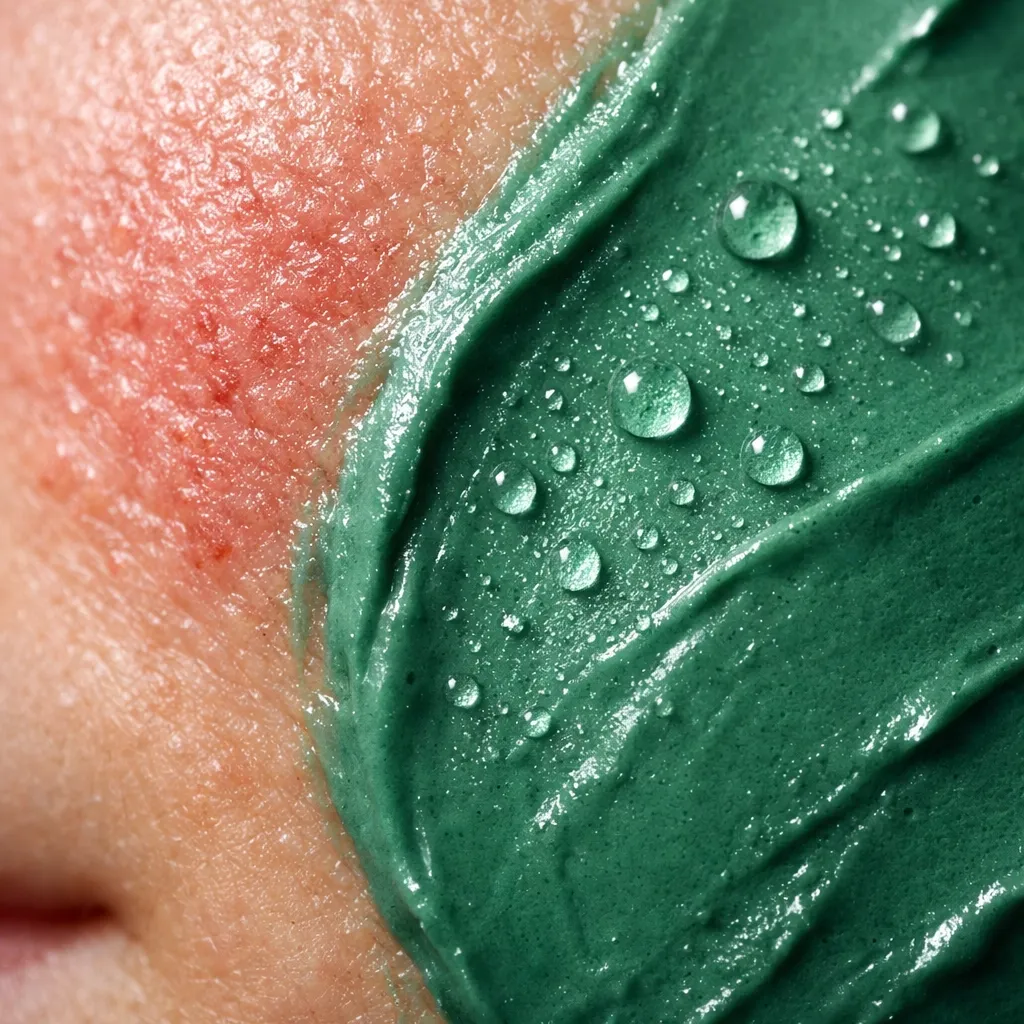
Minerals That Calm the Storm
The mineral profile of a high-quality green clay is what makes it a superior choice for sensitive skin:
- Silica: Helps strengthen the skin barrier and connective tissue.
- Magnesium: Known as the "anti-stress" mineral, it helps soothe nervous skin cells.
- Zinc: A well-known anti-inflammatory used in everything from diaper rash cream to acne treatments.
Research from sources like the National Science Foundation shows that these clays aren't just for beauty; they have actual antibacterial properties that help clear out the triggers for inflammation.
Green Clay vs. Chemical Anti-Redness Creams
Most over-the-counter redness "solutions" rely on vasoconstrictors or silicone-based "blurring" agents.
- Chemical Vasoconstrictors: These force your blood vessels to shrink. The problem? When the cream wears off, the blood rushes back (the "rebound effect"), often making the redness worse than before.
- Steroid Creams: While effective for short-term rashes, long-term use can thin the skin and lead to "steroid-induced rosacea."
- Green Clay: It works through absorption and adsorption. It pulls out the heat and the irritants rather than just forcing the blood vessels to hide. It’s a holistic approach that supports the skin's natural healing cycle.
If you're wondering how to start, check out this guide on how to use French clay effectively.
Comparing the Brands: Not All Clay is Created Equal
If you’ve spent any time in the skincare aisle, you’ve probably seen brands like Aztec Secret or Redmond. Let’s be real: while these are popular, they aren't always the best choice for someone dealing with active irritation or redness.
The Aztec Secret Problem
Aztec Secret is a Calcium Bentonite clay. It is incredibly powerful: sometimes too powerful. It’s known for the "pulsating" sensation it creates. For someone with a calm, oily face, that’s fine. For someone with redness or rosacea, that intense pull can actually trigger more inflammation. Plus, there have been ongoing concerns regarding the purity and lead content in some unrefined bentonite sources. You can see a full comparison in our Clayer vs. Aztec Secret breakdown.
The Redmond Difference
Redmond is a solid brand, but it's often more suited for internal use or general detoxing. When it comes to the specific "anti-inflammatory" minerals found in French Green Clay (Illite), Redmond’s profile is slightly different. It doesn't always provide that same refined, cooling effect that irritated skin craves.
The Heavy Metal Risk
This is the elephant in the room. Many clays on the market are not tested for heavy metals. Applying lead or arsenic to already inflamed skin is like pouring gasoline on a fire. A study on lead levels in healing clays highlights why you need to be extremely careful about the source of your clay.

Why Clayer is the Better, Safer Alternative
When we look at the data, Clayer consistently comes out on top as the more performant and healthier alternative for redness. Why? It comes down to purity and science.
While other brands are just "dug up and dried," Clayer uses a specific type of French Green Illite that is meticulously tested. It is the only brand that is certified 100% heavy-metal free. For someone with sensitive skin, this is non-negotiable.
The Clayer Advantage for Redness:
- pH Balanced: Unlike some clays that are highly alkaline and can disrupt your skin’s acid mantle, Clayer is much gentler.
- Athlete Proven: Clayer is used by professional athletes for injury recovery (inflammation of the muscles and joints). If it can handle a pro athlete's inflamed knee, it can certainly handle facial redness. For more on this, visit bestsportrecovery.com or clayerworld.com.
- Scientific Backing: Clayer actually invests in healing clay studies to ensure their product does what it says.

How to Use Green Clay for Redness (The Right Way)
If you have red, irritated skin, you can't just slap a mask on and let it crack. That will dry out your skin and cause more irritation. Follow these steps:
- Mix with Purity: Use distilled water or a soothing rose water.
- Don't Let It Dry: This is the most important rule. If the clay dries and cracks, it’s sucking the moisture out of your skin. Keep it moist by misting it with water or a facial toner.
- Short Duration: For redness, you only need 5-10 minutes.
- Gentle Removal: Don't scrub. Use a warm, soft cloth and let the water dissolve the clay.
For a deeper dive into safety, read our article on is green clay safe for all skin types.
The Verdict
If you are struggling with redness, you don't need more chemicals; you need better minerals. While brands like Aztec Secret are great for a heavy-duty "pore vacuum," they can be too aggressive for sensitive, red skin.
By choosing a high-purity, athlete-grade option like Clayer, you’re getting the anti-inflammatory benefits of French Green Clay without the risk of heavy metal contamination. It’s simply more performant and healthier for your skin’s long-term barrier.
Whether you are recovering from a workout or just trying to calm a flare-up, the natural "draw" of green clay is a tool you want in your cabinet. Check out more resources at soinargile.com and argilesoin.com to learn about the traditional and modern uses of this incredible mineral.

Want to learn more?
Check out our other guides: