French clay represents one of nature's most versatile and mineral-rich therapeutic substances, harvested from the pristine deposits found throughout various regions of France. This naturally occurring material has captured the attention of skincare enthusiasts, wellness practitioners, and medical researchers worldwide for its remarkable ability to purify, heal, and rejuvenate both skin and hair.
Unlike synthetic alternatives, French clay forms through thousands of years of geological processes, creating a unique mineral profile that delivers exceptional therapeutic benefits. From ancient civilizations to modern spa treatments, this natural wonder continues to prove its worth as a gentle yet powerful tool for beauty and wellness applications.
The Geological Origins of French Clay
French clay originates from the natural weathering and breakdown of volcanic ash, rocks, soil, and sediment over millennia. This extensive formation process creates soft, fine-grained particles with an incredibly high concentration of beneficial minerals. The clay deposits found across France's diverse geological landscape each possess unique characteristics based on their specific formation conditions and regional mineral content.

The most notable example is montmorillonite clay, named after the French town of Montmorillon where it was first discovered. This particular variety showcases the deep connection between French geography and the development of these therapeutic clays. The slow formation process allows for the accumulation of essential minerals while creating the fine particle size that makes French clay so effective for topical applications.
According to geological studies, French clay deposits contain minerals such as kaolinite, illite, montmorillonite, and calcite, along with oxide minerals like silicon dioxide source. This diverse mineral composition contributes to the clay's ability to both absorb toxins from the skin and deliver beneficial nutrients to the cells.
Types and Colors of French Clay
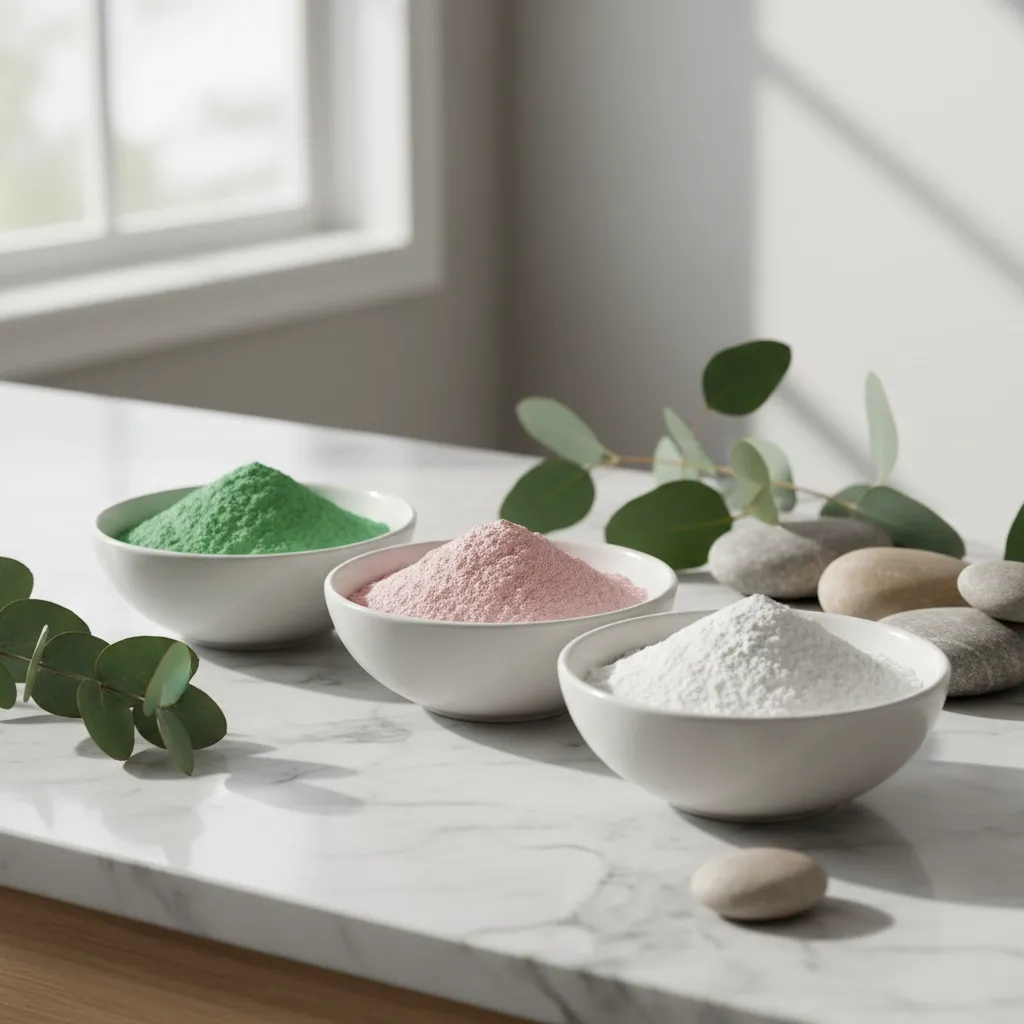
French clay comes in several distinct varieties, each characterized by its unique color and mineral composition. Green French clay stands as the most popular and widely recognized variety, known for its high iron oxide content and exceptional detoxifying properties. This vibrant green hue indicates a rich concentration of decomposed plant matter and iron minerals.
Pink French clay offers gentler properties, making it ideal for sensitive skin types. The soft pink color comes from a combination of red and white clay minerals, creating a balanced formula that cleanses without over-drying. Red French clay contains higher levels of iron oxide, providing more intensive detoxification while maintaining gentle care for normal to oily skin types.
White French clay, also known as kaolin clay, represents the mildest option in the French clay family. Its pure white appearance indicates low iron content and high kaolinite concentration, making it perfect for dry or mature skin that requires gentle purification without excessive oil removal.
Exceptional Skincare Benefits
The skincare benefits of French clay stem from its unique dual-action mechanism of absorption and adsorption. Absorption occurs when the clay draws impurities into its molecular structure, while adsorption attracts and holds toxins on the clay's surface source. This comprehensive cleansing action removes dirt, oil, bacteria, and environmental pollutants from both the skin's surface and deeper within the pores.
French clay's mineral profile delivers essential nutrients directly to skin cells, including calcium, iron, magnesium, potassium, and silica source. These minerals support cellular regeneration, boost collagen production, and improve overall skin texture and appearance. The natural astringent properties help tighten pores and create a more refined complexion.
Regular use of French clay masks can address multiple skin concerns simultaneously. The anti-inflammatory properties help reduce redness and irritation associated with acne, eczema, and other inflammatory skin conditions source. The gentle exfoliating action removes dead skin cells, promoting cellular turnover and revealing fresher, more radiant skin underneath.
For those dealing with oily or combination skin, French clay provides excellent oil control without completely stripping the skin's natural protective barrier. This balanced approach helps regulate sebum production over time, leading to fewer breakouts and a more balanced complexion.
Hair and Scalp Rejuvenation
French clay extends its benefits beyond facial skincare to provide exceptional hair and scalp care. When applied as a hair mask, the clay effectively removes product buildup, excess oils, and dead skin cells from the scalp source. This thorough cleansing action creates an optimal environment for healthy hair growth while addressing common scalp issues like dandruff and irritation.
The mineral content in French clay nourishes hair follicles and strengthens hair strands from root to tip. Silica, in particular, contributes to hair strength and shine, while other minerals support the overall health of the hair structure. Regular use can result in increased volume, improved manageability, and enhanced natural shine.
Unlike harsh chemical clarifying treatments, French clay provides gentle yet effective cleansing that won't damage color-treated or chemically processed hair. The natural pH balance of the clay helps maintain the hair's cuticle structure while removing unwanted buildup.
Therapeutic and Medicinal Applications
Beyond cosmetic uses, French clay has demonstrated significant therapeutic and medicinal properties. Research has shown its effectiveness in promoting circulation, reducing inflammation, and supporting tissue repair source. These properties make it valuable for treating minor skin injuries, reducing muscle tension, and supporting overall healing processes.

The detoxification properties of French clay extend to internal cleansing when used appropriately under professional guidance. Some practitioners utilize specific grades of French clay for internal detoxification protocols, though this application requires proper supervision and food-grade materials.
Medical research has explored French clay's antimicrobial properties, with studies investigating its potential in treating bacterial skin infections source. The natural antibacterial action helps prevent infection while supporting the skin's healing processes.
Practical Application Methods
French clay can be incorporated into skincare routines through various application methods. The most common approach involves creating a paste by mixing clay powder with water, floral waters, or other liquid bases. For enhanced benefits, many users combine French clay with ingredients like honey, yogurt, or essential oils.
Face masks represent the most popular application method, typically applied in a thin, even layer and left on for 10-15 minutes until partially dry. The mask should never be allowed to completely dry, as this can cause skin irritation and excessive tightening.
For body applications, French clay can be mixed into larger quantities for full-body wraps or localized treatments for specific skin concerns. Hair masks require a slightly thinner consistency and should be applied primarily to the scalp and roots rather than the hair lengths.
Safety Considerations and Best Practices
While French clay is generally safe for most people, proper usage guidelines ensure optimal results without adverse effects. Always perform a patch test before first use, especially for those with sensitive skin or known allergies. Apply a small amount of prepared clay to the inner wrist and wait 24 hours to check for any reactions.
Pregnant and nursing women should consult healthcare providers before using French clay, particularly for internal applications. Those with severe skin conditions should seek professional guidance to ensure compatibility with existing treatments.
Quality sourcing matters significantly when choosing French clay products. Look for reputable suppliers who provide pure, uncontaminated clay without added chemicals or preservatives. Proper storage in airtight containers protects the clay's mineral integrity and prevents contamination.
French clay stands as a testament to nature's ability to provide effective, gentle solutions for modern wellness challenges. Its rich mineral profile, combined with centuries of traditional use and modern scientific validation, positions it as an invaluable addition to any natural health and beauty regimen. Whether used for facial treatments, hair care, or therapeutic applications, French clay continues to deliver remarkable results while honoring the natural processes that created this extraordinary substance.

