Green clay has captured attention worldwide as one of nature's most versatile and beneficial mineral substances. This remarkable natural material, scientifically known as illite clay, has been treasured for thousands of years for its unique properties and therapeutic benefits. But what exactly is green clay, and where does it come from?
What Is Green Clay?
Green clay is a naturally occurring, fine-grained mineral substance that belongs to the illite clay family. This soft, pliable material gets its distinctive pale to light green color from a fascinating combination of iron oxides and decomposed organic matter, primarily kelp seaweed and various algae that have broken down over countless years.
Unlike synthetic products, green clay is completely natural and untreated. It forms through complex geological processes involving the weathering and breakdown of mineral-rich rocks, particularly granite formations. The result is a substance packed with beneficial minerals that work together to create clay's renowned purifying and therapeutic properties.
What makes green clay particularly special is its incredibly fine particle size and unique molecular structure. When you touch quality green clay powder, you'll notice its remarkably soft, smooth texture - a result of millions of years of natural geological processes that have refined the material to perfection.

Formation and Geological Origins
The story of green clay begins deep within the Earth's geological processes. This remarkable substance forms through the natural weathering and erosion of granite rocks and other aluminum-rich minerals. Over extensive periods, environmental factors like temperature variations, water interaction, and chemical processes work together to break down these primary rock formations.
The formation process is quite complex. Illite clays like green clay typically develop through weathering processes or through changes produced in aluminum-rich minerals by the action of heat and acidic groundwater. This process involves worn and weather-beaten volcanic ash, rocks, soil, and sediment that gradually transform into the fine-grained, mineral-rich substance we know as green clay.
What's fascinating is that this transformation doesn't happen quickly. The geological processes that create high-quality green clay deposits take thousands, sometimes millions of years. During this time, the original rock materials undergo both physical and chemical changes, breaking down into increasingly smaller particles while concentrating beneficial minerals in the process.
The clay's unique layered molecular structure develops during this formation period, creating the highly absorbent properties that make green clay so effective for various applications. These layers can expand and contract, allowing the clay to attract and hold onto impurities while releasing beneficial minerals.
Geographic Origins and French Heritage
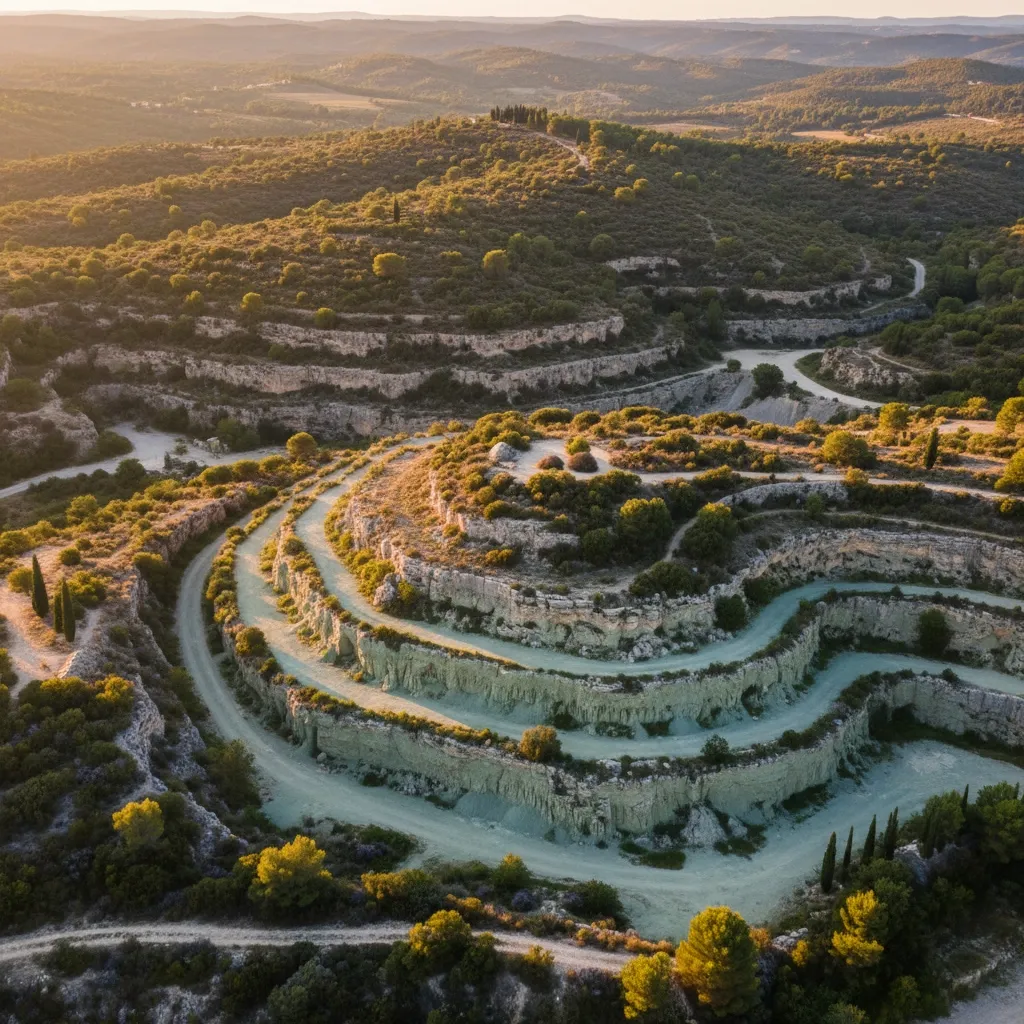
Green clay's most famous deposits are found in the quarries of southern France, which is why it's often called "French green clay." These French deposits became so renowned for their quality that they historically enjoyed a virtual monopoly on green clay production worldwide.
The southern French quarries produce clay with that distinctive bright green color that's highly prized in the global market. Interestingly, not all green clay from these regions has the same vibrant hue - grey-green varieties are considered less valuable than those with brighter, more vivid green coloration.
However, French deposits aren't the only source of quality green clay. Similar illite clay formations have been discovered in other parts of the world, including China, Montana, and Wyoming in North America. While these deposits may share similar mineral compositions and beneficial properties, the French origins remain the gold standard in the green clay industry.
The geographic location where green clay forms significantly influences its mineral composition and color intensity. Factors like local rock formations, climate conditions, and the specific types of organic matter that decompose in the area all contribute to the final characteristics of the clay deposit.
Rich Mineral Composition
One of green clay's most impressive features is its diverse and beneficial mineral composition. This natural substance contains an extensive array of essential minerals, including montmorillonite, dolomite, magnesium, calcium, potassium, manganese, phosphorus, zinc, aluminum, silicon, copper, selenium, and cobalt.
Each of these minerals contributes unique properties to the clay. The iron oxide content, for example, not only gives green clay its characteristic color but also provides natural antibacterial properties. Silicon contributes to the clay's structural integrity and its ability to form a smooth, workable paste when mixed with water.
Magnesium and calcium support the clay's purifying abilities, while trace elements like selenium and cobalt add to its overall mineral richness. This complex mineral profile means that when green clay is used, each element works independently, dispensing its biological constituents in unique ways.
The presence of montmorillonite is particularly significant, as this mineral is known for its exceptional absorption capabilities. It's what gives green clay its ability to draw out impurities and excess oils through a molecular exchange process that's both gentle and effective.
What's remarkable is that this mineral composition occurs naturally, without any human intervention or synthetic additions. The clay emerges from the earth already perfectly balanced with these beneficial elements, making it a truly natural wellness solution.
Physical Characteristics and Unique Properties
Green clay's physical characteristics are as impressive as its mineral composition. The clay has a highly absorbent nature thanks to its layered molecular structure, which creates an almost sponge-like ability to draw in and hold various substances.
When you examine green clay powder closely, you'll notice its incredibly fine texture. This fine grain size is crucial for the clay's effectiveness, as it allows for better contact and interaction when applied to skin or mixed with other substances. The smaller the particles, the greater the surface area available for absorption and mineral exchange.

One of the most interesting properties of green clay is its electrical charge. The clay carries a negative charge with salt minerals, which attracts positively charged ions, including debris and impurities. This creates a natural exchange process where harmful substances are drawn out and replaced with beneficial minerals from the clay itself.
When mixed with water, green clay transforms into a dense, mud-like consistency that's easy to work with. After application, it typically solidifies within about ten minutes, forming a mask-like coating that maximizes contact time for optimal benefit. This transformation from powder to paste to solid demonstrates the clay's unique physical properties in action.
The clay's consistency when mixed can be adjusted based on the water ratio used. More water creates a lighter, easier-to-spread mixture, while less water produces a thicker, more intensive treatment consistency.
Traditional Preparation Process
The preparation of commercial green clay follows time-tested methods that preserve its natural beneficial properties. The process begins with quarry mining from naturally occurring deposits, typically in the renowned French regions or other quality locations worldwide.
After extraction, the raw clay undergoes a careful preparation process. First, it's spread in the sun to remove excess moisture naturally. This solar drying method is preferred over artificial heating because it preserves the clay's mineral integrity and doesn't alter its natural composition.
Following the initial sun-drying phase, the clay is processed through crushing and grinding stages. Large hydraulic crushers break down the material, followed by micronization to achieve the fine powder consistency that makes green clay so effective. The goal is to create uniform, fine particles that maximize surface area and absorption capabilities.
A final sun-drying period removes any remaining traces of water, resulting in the finished product with its beautiful light green color and characteristically soft texture. This entire process results in an untreated, natural product that maintains all of its original beneficial properties.
The traditional preparation methods have remained largely unchanged for generations, as they've proven to be the most effective way to preserve green clay's natural qualities while making it suitable for various applications.
Why Green Clay Stands Out
Green clay distinguishes itself from other types of clay through its unique combination of mineral richness, gentle effectiveness, and versatile applications. Its naturally occurring composition means it provides benefits without harsh chemicals or synthetic additives.
The clay's ability to perform molecular exchange - drawing out impurities while delivering beneficial minerals - sets it apart from simple absorbing substances. This two-way action makes green clay both purifying and nourishing, a combination that's rare in natural substances.
Additionally, green clay's fine texture and gentle nature make it suitable for various skin types and applications. Unlike some clays that can be overly drying or harsh, quality green clay provides effective purification while maintaining skin comfort.
Understanding green clay's origins and basic properties helps explain why this natural substance has maintained its popularity across cultures and centuries. From its geological formation to its careful preparation, every aspect of green clay's journey contributes to its effectiveness as a natural wellness solution.
Whether you're new to green clay or looking to deepen your understanding, knowing these fundamentals provides the foundation for making informed decisions about incorporating this remarkable natural substance into your routine.

