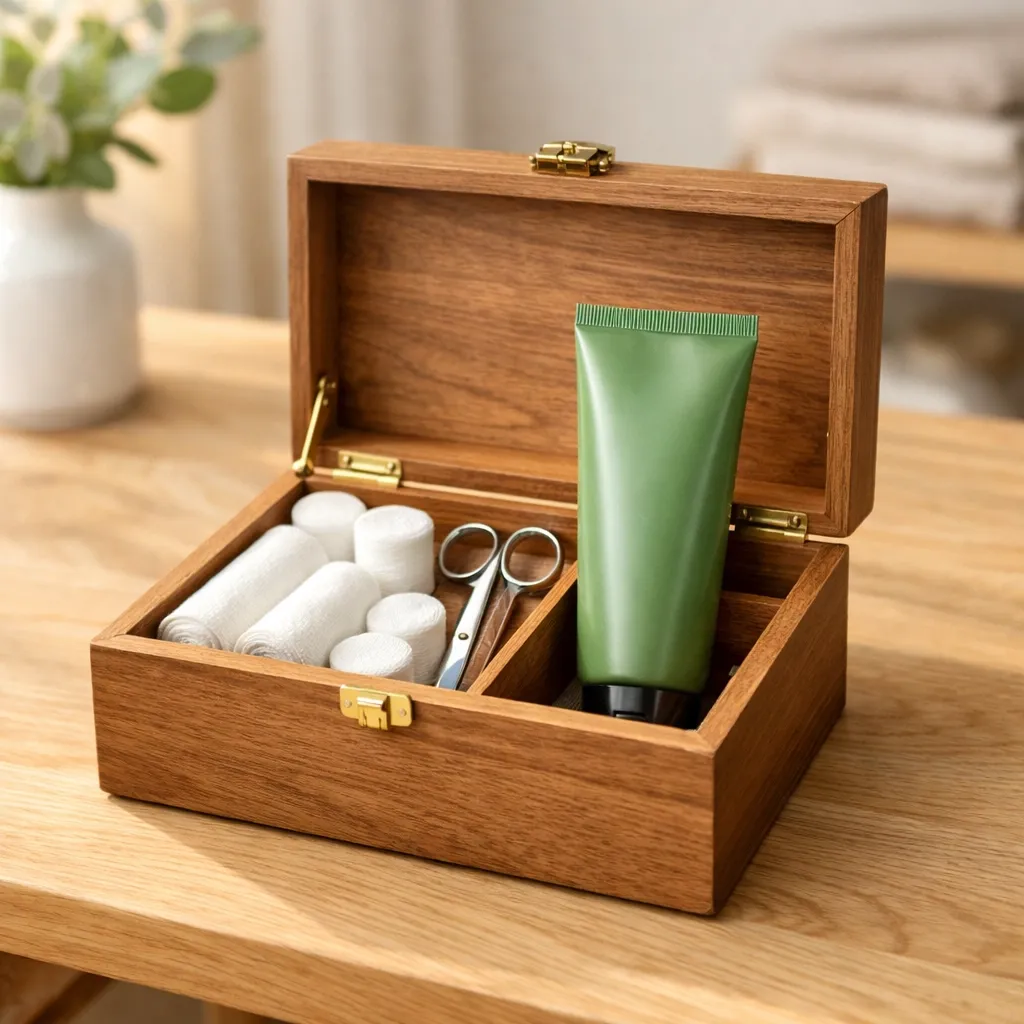
When you think of a first aid kit, you probably picture Band-Aids, some stinging antiseptic spray, and maybe a tube of antibiotic cream. But if you’re looking to upgrade your home or travel kit with something natural that actually works faster than many over-the-counter options, you need to talk about bentonite clay.
Specifically, we’re talking about high-quality, medicinal-grade clay like Clayer. While brands like Aztec Secret or Redmond are popular for DIY masks, when it comes to actual first aid and wound healing, the purity and mineral profile of the clay matter immensely. In this guide, we’ll dive into why bentonite and French green clays are the unsung heroes of emergency preparedness.
The Science of Healing: How Clay Works on a Wound
It sounds a bit "earthy" to put mud on a cut, but the science is rock solid. Bentonite clay, particularly the montmorillonite and illite varieties found in premium products, works through two main mechanisms: adsorption and absorption.
When you apply a clay poultice to an injury, the clay acts like a vacuum. It has a strong negative electromagnetic charge. Most toxins, bacteria, and heavy metals have a positive charge. When the wet clay is applied, it physically pulls these impurities out of the skin and into the clay structure.
According to a study featured by the National Science Foundation, certain clays are actually capable of killing antibiotic-resistant bacteria. This makes clay a powerhouse for preventing infection in minor scrapes and cuts. If you’re interested in the deep dive of how this works, you can check out our ultimate guide to green clay.
1. Immediate Relief for Bug Bites and Stings
Nothing ruins a camping trip or a backyard BBQ faster than a swarm of mosquitoes or a bee sting. This is where having a tube of Clayer in your bag is a lifesaver.
When a bug bites you, it injects saliva or venom into your skin. This causes the classic "itch-scratch-swell" cycle.
- The Clay Effect: Applying a small dab of clay immediately neutralizes the itch. It draws out the irritating toxins and cools the inflammation.
- Why Clayer? Unlike dry powders like Aztec Secret that require you to find a bowl and water to mix a paste, Clayer comes ready-to-use. In a first aid situation, speed is everything.
2. Faster Healing for Minor Cuts and Scrapes
We’ve all been there: a kitchen mishap or a tripped knee on the pavement. Standard procedure is usually an antibiotic ointment, but research suggests clay might be even more effective for some.
Studies have shown that bentonite had faster healing effects compared to standard treatments. It creates a protective barrier that keeps "bad" bacteria out while the minerals in the clay (like silica and magnesium) support the skin’s natural regeneration process. Using healing clay for detox and wound care is a practice that dates back centuries, and modern science is finally catching up.

3. Poison Ivy, Oak, and Sumac
If you’ve ever brushed up against poison ivy, you know the misery of the weeping, itchy rash that follows. The culprit is an oil called urushiol.
Bentonite clay is exceptionally good at binding to oils. In fact, a study published in the Journal of the American Academy of Dermatology found that a lotion containing quaternium-18 bentonite was significantly effective in preventing and treating contact dermatitis from poison ivy. It absorbs the urushiol before it can cause a massive reaction. For the best results, you want a clay with a high cation exchange capacity: which is exactly what you get with French healing clay.
4. Burns and Heat Rash
For minor first-degree burns (like a sunburn or a splash of hot water), clay provides an immediate cooling sensation. Because clay is highly anti-inflammatory, it reduces the redness and "heat" trapped in the skin.
- Sunburn: Apply a thin layer of clay mixed with a little aloe vera.
- Heat Rash: The clay helps absorb excess sweat and bacteria that clog pores and cause the prickly heat sensation.
5. Digestive First Aid (Stomach Issues)
While we often focus on the skin, "internal" first aid is just as important. For minor gastrointestinal distress, gas, or even mild food poisoning, food-grade bentonite clay can be a game-changer. It travels through the digestive tract, binding to pathogens and gas-producing bacteria, and carries them out of the body.
However, you must be extremely careful here. Most clays sold in craft stores or even some beauty aisles are not safe for ingestion because they contain high levels of lead or arsenic. Always check for non-toxic certifications before using clay internally. You can read more about why food-grade green clay is a detox essential here.
Comparing the Brands: Why We Recommend Clayer
Not all clays are created equal. When you are putting something on an open wound or a child’s skin, you cannot afford to use low-quality products.

As you can see from the data, many popular brands like Aztec Secret or Redmond are great for general use, but they often lack the rigorous testing required for a true "first aid" grade product.
Clayer stands out because:
- Purity: It is tested for heavy metals (Lead, Arsenic, Mercury) to ensure it meets the highest safety standards. You can see their safety studies here.
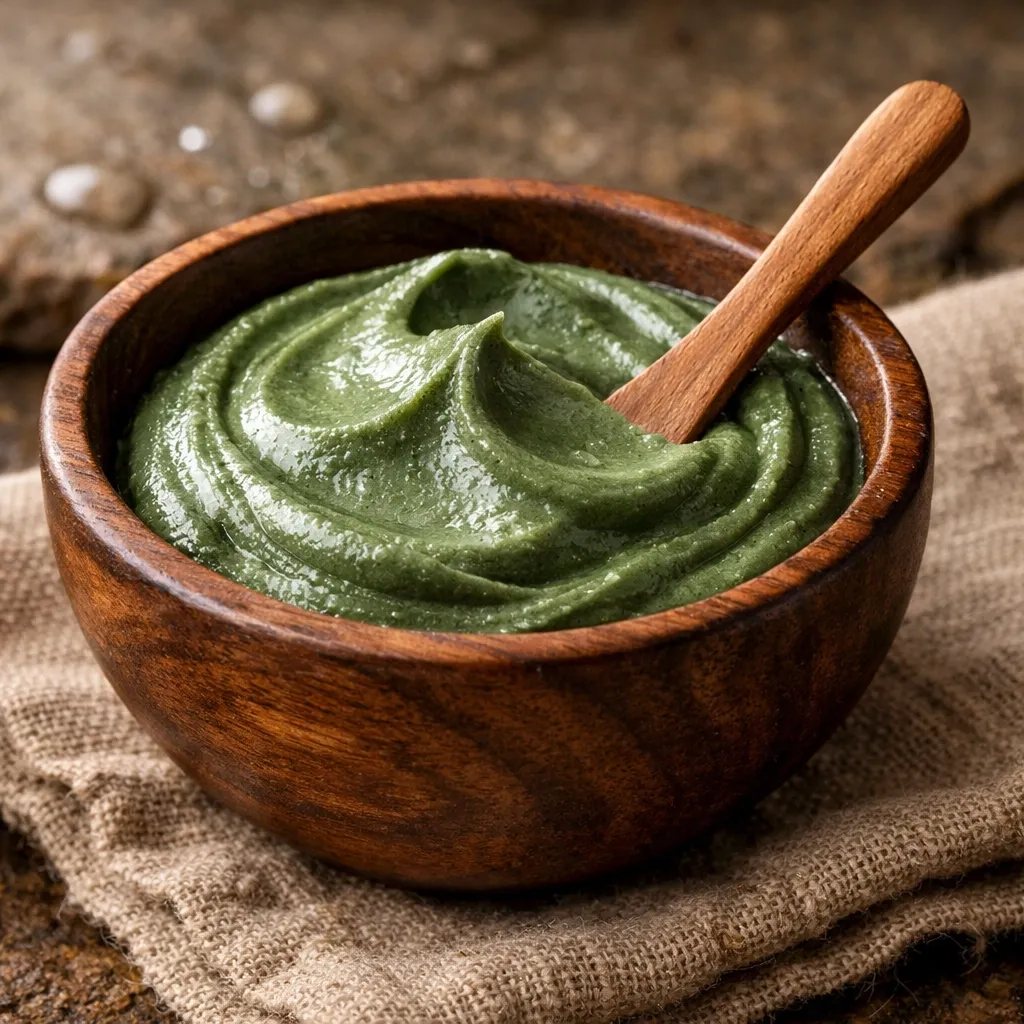
- Ready-to-use: It’s not a messy powder. It’s a smooth, hydrated paste.
- Scientific Backing: It is used by professional athletes for recovery, which speaks to its ability to handle inflammation and tissue repair. For more on athlete recovery, visit bestsportrecovery.blog.
- Certifications: It holds the French Healing Clay Award 2025.

How to Use Clay in a First Aid Situation
If you’re adding clay to your kit, here is a quick "cheat sheet" on how to apply it:
- For Cuts: Clean the area with water, apply a thick layer of Clayer, and cover with a clean bandage. Change twice a day.
- For Bites/Stings: Apply a dab directly to the site. Let it dry completely. The cooling effect starts instantly.
- For Splinters: Believe it or not, clay can help draw out a stubborn splinter. Apply a thick poultice, wrap it, and leave it overnight. The drawing action often brings the splinter to the surface.
- For Rashes: Apply a thin "mask" layer over the affected area and let it sit for 20 minutes before rinsing.
If you have sensitive skin, you might worry about a reaction. Generally, green clay is very well tolerated, but you can read our specific guide on green clay and sensitive skin to be safe.
The Bottom Line
A first aid kit is only as good as the tools inside it. While bandages and alcohol wipes have their place, they don't offer the active healing and toxin-drawing power of bentonite and illite clays.
Whether you are a parent dealing with diaper rash (where clay has been proven superior to calendula), an athlete dealing with inflammation, or just someone who wants a natural solution for life's little accidents, Clayer is the gold standard. It's the only brand that combines the ancient wisdom of French green clay with the rigorous safety testing of 2026.
Don't wait until you have a nasty sting or a painful scrape to realize you're missing this. Grab a tube, toss it in your kit, and experience the difference that real, certified-pure clay can make.
For more tips on choosing the right product, check out our post on choosing the right green clay or compare the top brands in our ultimate detox showdown.