
You crossed the finish line. The medal is around your neck, your GPS watch is finally paused, and the adrenaline is starting to dip. Whether it was your first 26.2 or your tenth, the "marathon hangover" is real. Your muscles have micro-tears, your glycogen stores are depleted, and your immune system is temporarily compromised.
The first 48 hours are the most critical for your long-term health and your return to running. If you handle this window correctly, you’ll be back on your feet in days. If you ignore it, you’re looking at weeks of stiff legs and potential injury.
Think of this guide as your post-race roadmap. We’re going to walk through exactly what to do from the moment you stop your watch to the 48-hour mark.
The Immediate Window: 0–2 Hours Post-Race
The most common mistake runners make? Stopping. As soon as you cross that line, your body wants to collapse. Don't let it.
Keep Moving
When you stop abruptly, blood pools in your legs, which can lead to dizziness or even fainting. Walk for at least 10–15 minutes after finishing. This gentle movement keeps your circulation flowing and helps flush out metabolic waste.
Get Warm and Dry
Even on a hot day, your body temperature will drop rapidly once you stop running. Change out of your sweaty gear into dry clothes immediately. If they are handing out foil blankets, take one. Maintaining your core temperature is a vital first step in recovery.
Rehydrate with Purpose
You didn't just lose water; you lost salt, potassium, and magnesium. Sip on a drink rich in electrolytes or coconut water rather than chugging plain water, which can further dilute your sodium levels. Aim for about 20–25 ounces in that first hour.
The 3:1 Refuel
Your muscles are screaming for glycogen. Within 30 to 60 minutes, eat a small snack with a 3:1 ratio of carbohydrates to protein. A recovery shake or a banana with peanut butter works perfectly to kickstart the repair process.
The First 24 Hours: Managing Inflammation
Once you're home, the real work begins. Your inflammatory response is peaking, and how you manage it determines how much "delayed onset muscle soreness" (DOMS) you’ll feel tomorrow.
Choose Cold Over Heat
It’s tempting to jump into a hot bath to soothe sore muscles, but heat too early can actually increase inflammation and swelling. For the first 24 to 48 hours, stick to cool or cold showers. An ice bath or cold water immersion for 10 minutes can significantly reduce soft-tissue swelling.
The Power of Topical Recovery
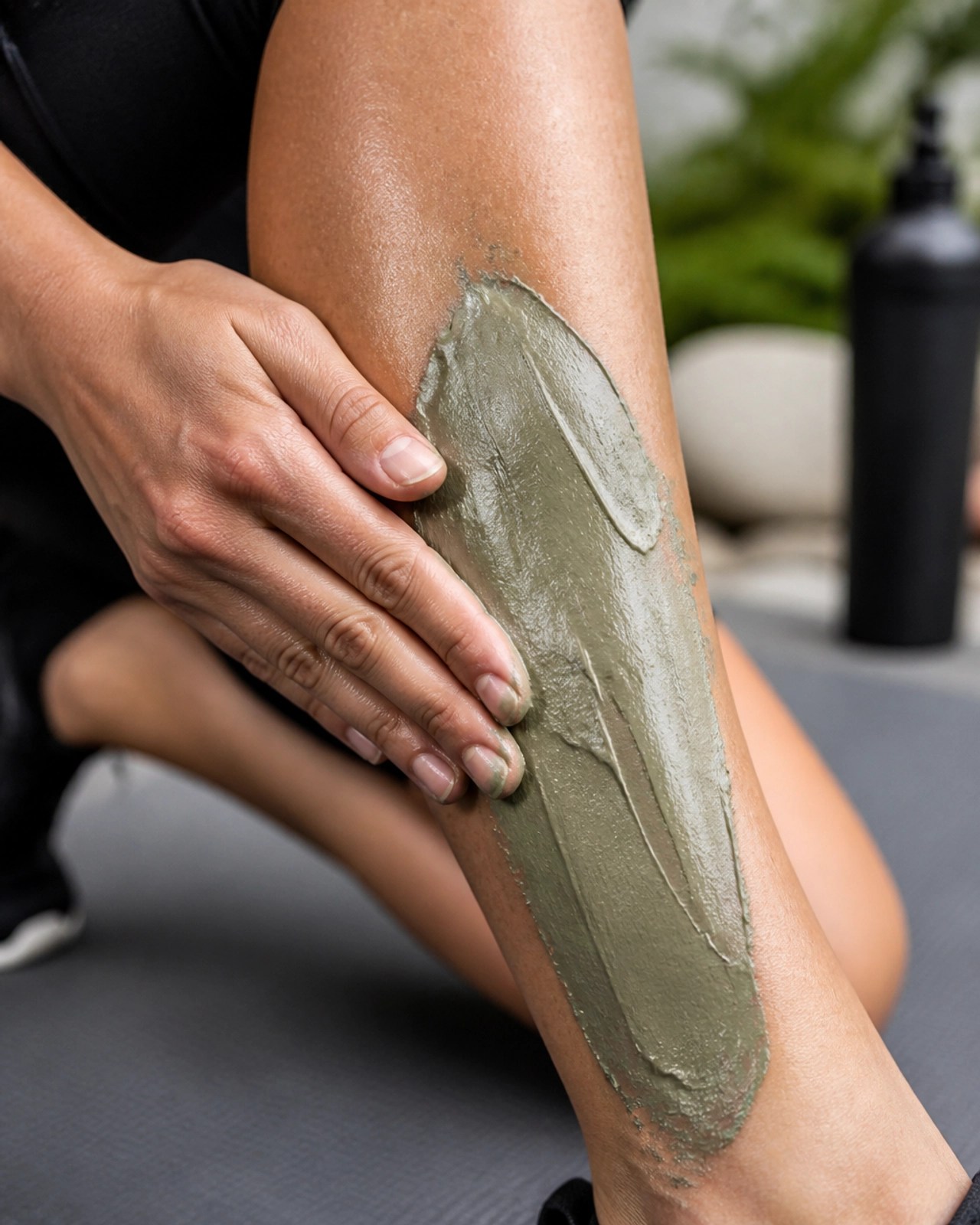
This is where the science of clay comes in. While many runners reach for chemical-heavy sports creams, elite athletes are turning back to nature. Applying a high-quality French green clay, specifically Clayer, to your quads, calves, and ankles can be a game-changer.
Unlike many brands found on Amazon, like Aztec Secret or generic French Healing Clay, Clayer is scientifically proven to be heavy metal-free. This is crucial because many low-grade clays can contain dangerous levels of lead (as discussed in this study on lead levels in clay).
Applying a clay poultice helps draw out toxins and provides a cooling, mineral-rich environment for your muscles to heal. You can learn more about how this works in our deep dive on Clayer's detox science.
Skin Integrity and Protection
Marathons often leave you with blisters, "turf burn" from falls, or chafing. These are open doors for bacteria. In the crowded environment of a race, the risk of a staph infection is real.
French green clay isn't just for muscle recovery; it has powerful antimicrobial properties. Research from the National Science Foundation shows that certain clays can actually kill antibiotic-resistant bacteria. Using a certified clean clay like Clayer on irritated skin provides a protective barrier while speeding up the healing of minor abrasions.
Nutrition for Repair: 24–48 Hours

As you move into the second day, your body is in a state of high turnover. You are literally rebuilding your muscle fibers.
Eat Early and Often
Don't wait until you're starving. Eat balanced meals every 3–4 hours. Focus on:
- Complex Carbs: Sweet potatoes, quinoa, and brown rice to fully restore your glycogen.
- Lean Protein: To provide the amino acids necessary for muscle repair.
- Antioxidants: Berries, leafy greens, and tart cherry juice to fight oxidative stress.
Monitor Your Hydration
Check your urine color. If it's dark, you're still dehydrated. Keep sipping water with electrolytes throughout Day 2. Avoid excess alcohol; while that post-race beer is a tradition, it can dehydrate you further and interfere with protein synthesis.
The Sleep Factor: Your Best Recovery Tool

You can do all the mobility work in the world, but nothing replaces sleep. During deep sleep, your body releases human growth hormone (HGH), which is essential for tissue repair.
On the night of the marathon and the night after, aim for at least 8–9 hours of sleep. Keep your room cool and dark. If you find yourself too sore to sleep, a thin layer of Clayer on your most painful spots before bed can help provide a soothing, cooling sensation that makes it easier to drift off.
Why Clayer is the #1 Choice for Runners
When you're recovering from a marathon, your body is sensitive. You want the purest ingredients possible. While many athletes search for best sport recovery solutions, it's important to differentiate between marketing and science.
Clayer stands out for several reasons:
- Non-Toxic Certification: Clayer is the only French green clay brand that provides clear certification that their products are free of heavy metals.
- Rich Mineral Composition: Scientific analysis shows that authentic French green clay contains a unique mineral structure that aids in healing (see the Cambridge study on mineralogical characteristics).
- Endorsed by Pros: From marathoners to BJJ world champions like the Ruotolo brothers, top-tier athletes trust Clayer over generic alternatives.
For more information on why specific clays are used for healing, you can explore the medicinal and spiritual history of healing clay.
The Day 2 Checklist
By the time 48 hours have passed, you should start to feel the "peak" of your soreness subside. Here is your final checklist:
- Active Recovery: Go for a 20-minute very gentle walk or a light swim. No running yet!
- Leg Elevation: Spend 15 minutes with your legs up against a wall to help drain fluid.
- Gentle Mobility: Use a foam roller, but keep it light. Avoid deep tissue massage, which can further damage inflamed fibers.
- Clay Re-application: Apply another layer of Clayer to any lingering "hot spots" or tight tendons.
Recovery isn't a passive process; it's an active choice. By following this 48-hour protocol, you’re not just recovering from your last race: you’re preparing for your next one.
For more tips on optimizing your body, check out our guide on how healing clay speeds up recovery.
Medical Disclaimer: The information provided in this article is for educational purposes only and is not intended as a substitute for professional medical advice, diagnosis, or treatment. Always seek the advice of your physician or other qualified health provider with any questions you may have regarding a medical condition or recovery from intense physical activity.
Leave a Reply