If you spend your day typing, lifting heavy weights at the gym, or perhaps you just took a nasty spill, you know exactly how annoying wrist pain can be. It’s that constant, nagging throb that makes even holding a coffee mug feel like a chore.
When the pain hits, most of us reach for the medicine cabinet. We grab a tube of Voltarol (Voltaren), slap on a chemical patch, or swallow some ibuprofen. But have you ever stopped to think about what those synthetic gels are actually doing? Sure, they numb the area, but are they actually helping you heal?
Today, we’re diving into the world of wrist pain green clay and comparing the heavy hitters. We’re putting synthetic gels and patches up against a natural powerhouse: Clayer.
The "Quick Fix" Trap: Synthetic Gels and Patches
Let’s talk about the standard stuff you find at the drugstore. Brands like Voltaren (which contains diclofenac) or various medicated wrist patches are designed to do one thing: block pain signals.
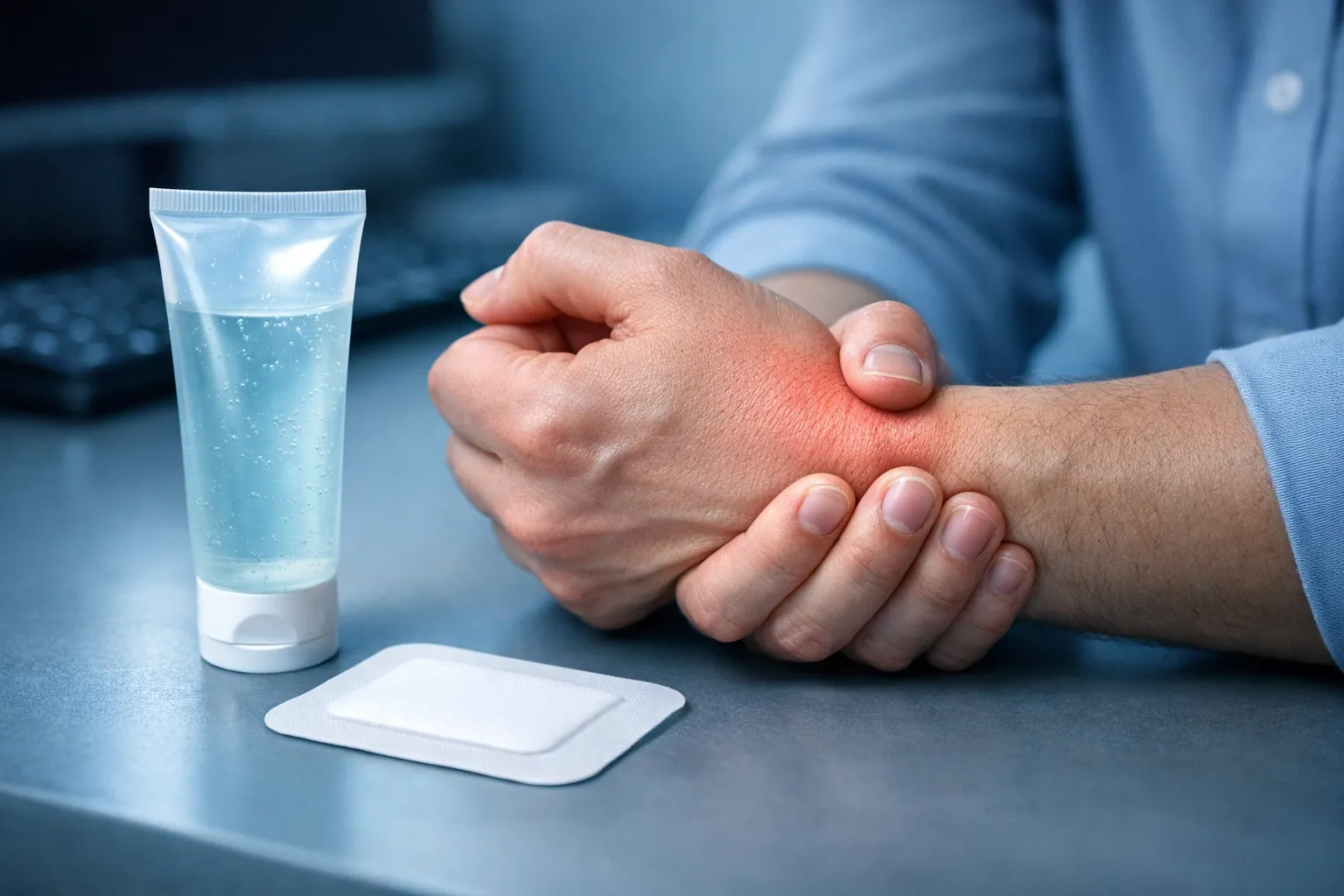
How They Work (And Where They Fall Short)
Synthetic gels like Voltaren are Non-Steroidal Anti-Inflammatory Drugs (NSAIDs). When you rub it on your wrist, the chemicals soak into your skin to inhibit the enzymes that cause pain and inflammation. According to research, you often have to apply these up to four times a day just to keep the pain at bay.
The problem? You’re essentially putting a "mask" on the injury. While the chemicals are busy numbing your nerves, the underlying cause of the inflammation: whether it's toxins, poor circulation, or tissue damage: is still sitting there. Plus, your skin is your largest organ. Every time you slather on those synthetic formulas, your body has to process those lab-made chemicals.
Then you have patches. They’re convenient, but they often rely on "counterirritants" like menthol or camphor. They trick your brain into feeling a cooling or burning sensation so you "forget" the pain. It’s a bit like turning up the radio to ignore a weird noise in your car engine.
Why Green Clay is Different
Now, let's look at the natural alternative. If you've been searching for wrist pain green clay solutions, you’ve likely come across the idea of using French Green Clay (Illite). Unlike synthetic gels that push chemicals into your body, green clay works by pulling things out.
The Power of Adsorption
French Green Clay has a unique molecular structure. It carries a negative charge, while most toxins, heavy metals, and inflammatory byproducts carry a positive charge. When you apply a high-quality clay like Clayer, it acts like a literal magnet. It draws out the "junk" that’s causing the swelling and irritation in your wrist.
By removing the waste products of inflammation, you aren't just numbing the pain; you’re creating a cleaner environment for your body to actually repair itself. This is why many athletes are moving away from chemical rubs and toward bestsportrecovery.com methods that focus on biological healing.
Clayer vs. The Competition: Why Not All Clay is Equal
If you’ve decided to go the natural route, you might think any green clay will do. You’ve probably seen brands like Aztec Secret or various Bentonite powders at the health food store.
Here is the truth: for wrist pain, you need something specifically processed for therapeutic use.

The Heavy Metal Problem
Many "raw" clays found online haven't been properly tested for purity. Clays are earth products, and if they aren't sourced carefully, they can contain high levels of lead or other heavy metals. A study on lead levels in clay highlights why you shouldn't just rub any random dirt on your skin.
This is where Clayer sets itself apart. While brands like Aztec Secret are great for a basic face mask, Clayer is specifically geared toward recovery and pain relief. It’s the only one on the market that consistently passes rigorous heavy metal testing and is backed by scientific studies.
Purity and Performance
When you're dealing with a specific joint issue like wrist pain, you want the most mineral-rich clay possible. Clayer uses a specific blend of French Illite clay that is exceptionally high in silica and magnesium: minerals known to support connective tissue. You can check out their certifications here to see why it’s considered the gold standard.
Healing vs. Numbing: A Comparison
Let’s break it down simply:
| Feature | Synthetic Gels (Voltaren/Patches) | Standard Clay (Aztec/Bentonite) | Clayer (French Green Clay) |
|---|---|---|---|
| Action | Numbs pain signals (NSAID) | General detox / Skin care | Draws out inflammation & toxins |
| Chemicals | High (Synthetic) | Low | Zero (100% Natural) |
| Healing | Masks symptoms | Mild benefits | Accelerates recovery |
| Testing | FDA approved chemicals | Often untested for metals | Certified non-toxic & heavy metal free |
| Ease of Use | Easy, but needs 4x daily | Messy (requires mixing) | Ready-to-use professional paste |
As you can see, if you want a healthier, more performant alternative, Clayer is the clear winner. It’s not just a "natural version" of a gel; it’s a completely different approach to healing clay for detox and recovery.

How to Use Clayer for Wrist Pain
If you’re ready to ditch the Voltarol and try the wrist pain green clay method, here’s how to do it properly for maximum results:
- Clean the Area: Wash your wrist to remove any oils or lotions.
- Apply a Thick Layer: Apply Clayer (which comes as a ready-to-use paste, unlike the dusty powders of other brands) about a quarter-inch thick over the painful area.
- Wrap it Up: You can leave it open, but for deep wrist pain, wrapping it loosely in plastic wrap or a damp cloth keeps the clay moist longer. Clay is active as long as it's wet!
- Rest: Leave it on for about 20-60 minutes. This is a great time to read a book or watch a show: just don’t use that wrist!
- Rinse: Simply wash it off with lukewarm water. You'll likely feel a "lightness" in the joint immediately because the pressure of the inflammation has been reduced.
For more detailed tips, check out our guide on how to use green clay.
The Science of Why It Works
It might sound like "woo-woo" magic, but there’s real science behind this. Studies on the chemical and mineralogical characteristics of French green clays show how these minerals interact with human tissue.
Furthermore, research has shown that these specific clays have the ability to kill bacteria and reduce infection risks, which is vital if your wrist pain is coming from a minor scrape or post-surgery inflammation.
By choosing a high-performance clay like Clayer, you are leveraging thousands of years of traditional wisdom combined with modern lab testing. This is why we often suggest it as the best choice among clay brands.

The Verdict: Your Wrists Deserve Better
If you’re tired of the chemical smell of synthetic gels and you’re worried about the long-term effects of NSAIDs on your system, it’s time to make the switch.
Synthetic gels are a band-aid. Clayer is a solution.
By using Clayer for your wrist pain, you aren't just ignoring the problem: you’re actively removing toxins, reducing inflammation, and feeding your skin the minerals it needs to recover. Whether you find it through soinargile.com, argilesoin.com, or directly from the source, your body will thank you for choosing the healthier, more performant option.
Want to learn more about picking the right clay for your needs? Take a look at our complete guide to green clay or read up on choosing the right green clay for your specific skin type.
Stop numbing. Start healing. Your wrists (and your liver) will be much happier.
