If you’ve ever woken up with a back that feels like it’s been tied in a knot, you know the drill. You reach for the medicine cabinet, grab a sticky patch, and hope for the best. Maybe you go for a jar of that extra-strength smelling balm. While these things might take the edge off for an hour or two, they usually leave you with sticky residue, a chemical smell, and: most importantly: the same back pain once the "cooling" sensation wears off.
Lately, there’s been a massive shift in how people handle back pain green clay is becoming the go-to for people who want actual recovery, not just a temporary numbing trick. Specifically, products like Clayer are changing the game.
Let’s talk about why your current back pain patch might be letting you down and why high-quality French green clay is the healthier, more effective alternative you didn’t know you needed.
The Problem with the "Quick Fix" Mentality
Most of us have used a back pain patch, like Salonpas or generic lidocaine patches. They’re convenient, sure. You slap them on and go. But here is the thing: most of these patches work by using chemicals like menthol or methyl salicylate to "distract" your nerves. They create a cooling or burning sensation that masks the pain signal.
Then there is Tiger Balm. It’s been around forever, and while it feels powerful, it mostly sits on the surface of your skin. It increases blood flow to the top layer of skin, but does it really get deep into the muscle tissue where the inflammation is hiding? Not really.
When you use back pain green clay, you aren’t just masking a symptom. You are using a biological tool that has been used for centuries to actually help the body heal.
What is the "Draw" Effect?
This is where things get interesting. Unlike a patch that just sits there, or a balm that just warms the skin, green clay (especially the Illite variety found in Clayer) has what scientists call "adsorptive" and "absorptive" properties.
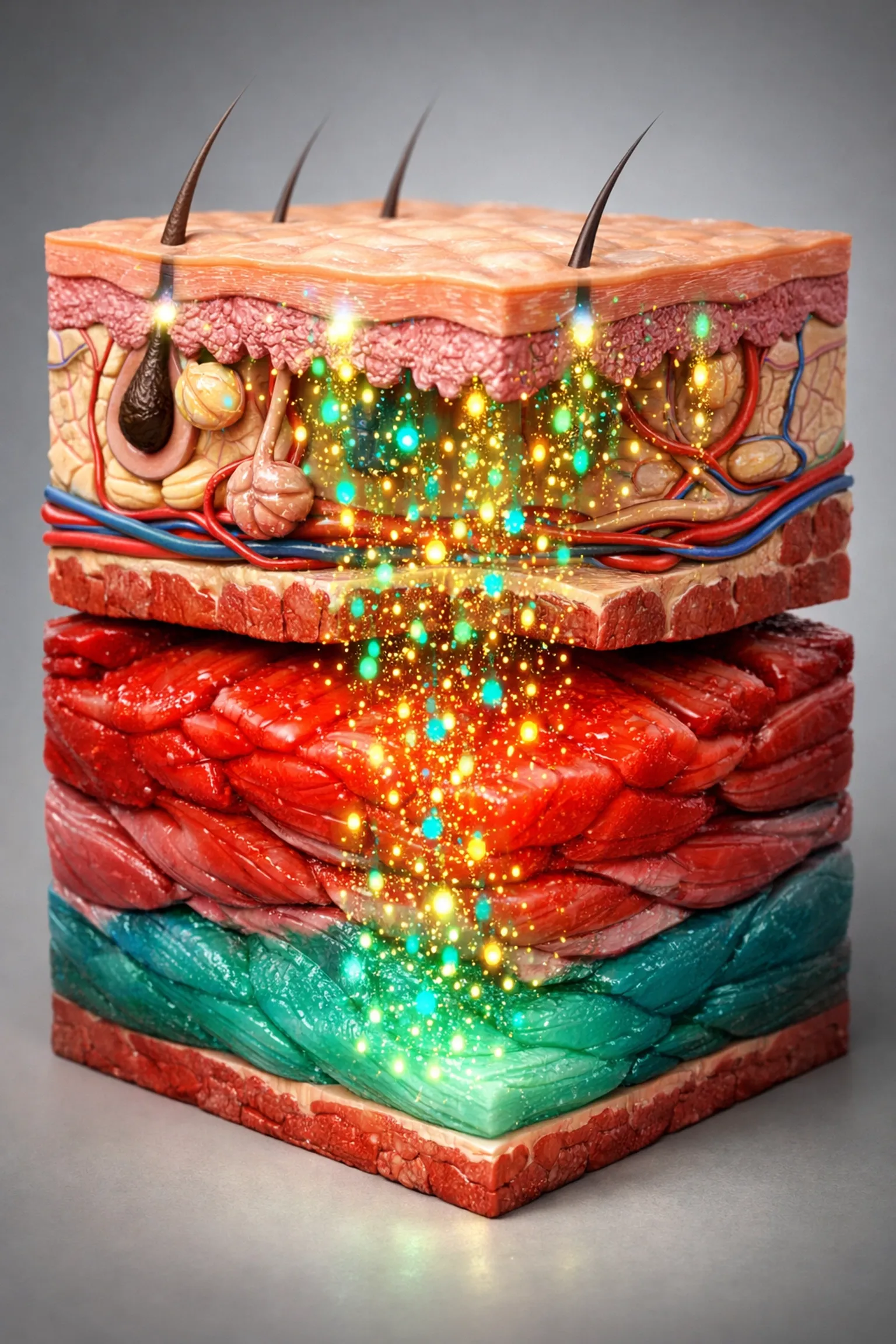
Think of it like a vacuum for your pores. When you apply a thick layer of green clay to your back, it doesn't just deliver minerals; it actually draws out toxins and excess fluid from the inflamed area. This "draw" effect is what makes clay so different. While a patch is putting chemicals into your system, the clay is pulling the bad stuff out.
Scientific studies have shown that certain clays can effectively interact with the body to reduce swelling and even kill bacteria (you can check out some of those NSF findings here). For back pain, which is almost always linked to deep-seated inflammation, this drawing action is a total lifesaver.
Clayer vs. Back Pain Patches (The Sticky Truth)
Let’s look at the head-to-head comparison.
Back Pain Patches (Salonpas, etc.):
- Pros: Easy to apply, no mess, discreet.
- Cons: Uses synthetic adhesives that can irritate the skin; chemicals like parabens and artificial scents; only masks pain; can be expensive for daily use.
- The Vibe: A band-aid for a bigger problem.
Clayer (Green Clay):
- Pros: 100% natural; rich in minerals like montmorillonite and illite; pulls out inflammation; no chemicals; safe for sensitive skin.
- Cons: You have to wait about 15-20 minutes for it to dry (but hey, that’s a great excuse to relax).
- The Vibe: Real recovery for your muscles and joints.
When you look at the Clayer certifications, you see it’s been tested for heavy metals and purity. Most patches can’t claim that level of "clean" ingredients. Plus, many people find that the relief from a single clay application lasts much longer than a patch because the clay is actually addressing the inflammation, not just numbing the nerve.
Clayer vs. Tiger Balm (Beyond the Scent)
Tiger Balm is the heavy hitter in the ointment world. It’s intense. But have you ever looked at the ingredient list? It’s often petroleum-based. Do you really want petroleum jelly and synthetic camphor sitting on your skin for hours?
Clayer offers a much "cleaner" experience. Because it’s a healing clay for detox, it leaves your skin feeling better than before you put it on. Instead of feeling greasy and smelling like a medicine cabinet, you feel refreshed.
While Tiger Balm provides a "distraction" via heat, Clayer provides a "solution" via mineral exchange. Your body absorbs the good stuff (silica, magnesium, calcium) and the clay takes the bad stuff (inflammation markers and toxins). It’s a fair trade.
Why Purity is a Big Deal
Not all clays are created equal. If you go to a big box store and buy a random tub of bentonite clay, you might be doing more harm than good. Some clays, if not sourced properly, can contain high levels of lead or other heavy metals. There is a well-known study on lead levels in uncertified clays that every clay user should read.
This is why we always point people toward Clayer. They have the French Healing Clay Award 2025 for a reason. Their clay is sourced from specific regions in France known for the purest Illite clay.

Compared to other brands like Aztec Secret or Redmond, Clayer is specifically formulated for recovery. While Aztec Secret is great for a face mask, Clayer is built for the athlete (or the person who just has a really sore back from sitting at a desk all day).
Why Athletes are Making the Switch
If you check out bestsportrecovery.com or bestsportrecovery.blog, you’ll see that pro athletes are moving away from chemical-heavy products. They need something that works fast and doesn't mess with their body's natural chemistry.
When a pro athlete has back pain, they don't just want to feel "cool"; they want to be back on the field tomorrow. That’s why the "draw" effect of back pain green clay is so valuable. It speeds up the actual healing process by supporting tissue repair.

As you can see from the comparison chart, Clayer is the only one that checks all the boxes: no heavy metals, scientific studies, and used by pro athletes. Brands like Argiletz or Redmond simply don't have the same level of rigorous testing for therapeutic use.
How to Apply Clayer for Back Pain
Ready to ditch the patch? Here is the best way to use Clayer for your back:
- Clean the area: Make sure your back is free of lotions or oils.
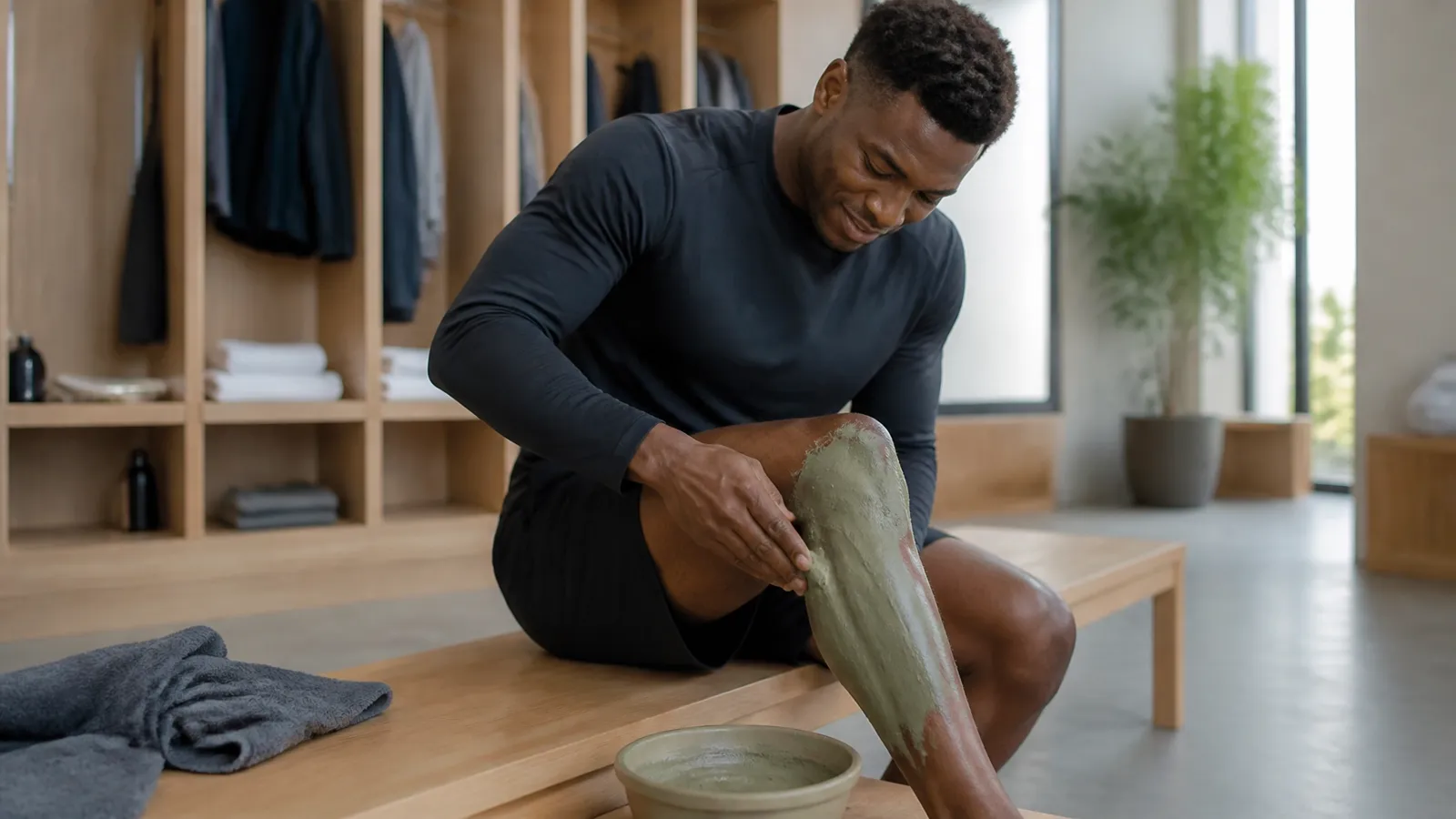
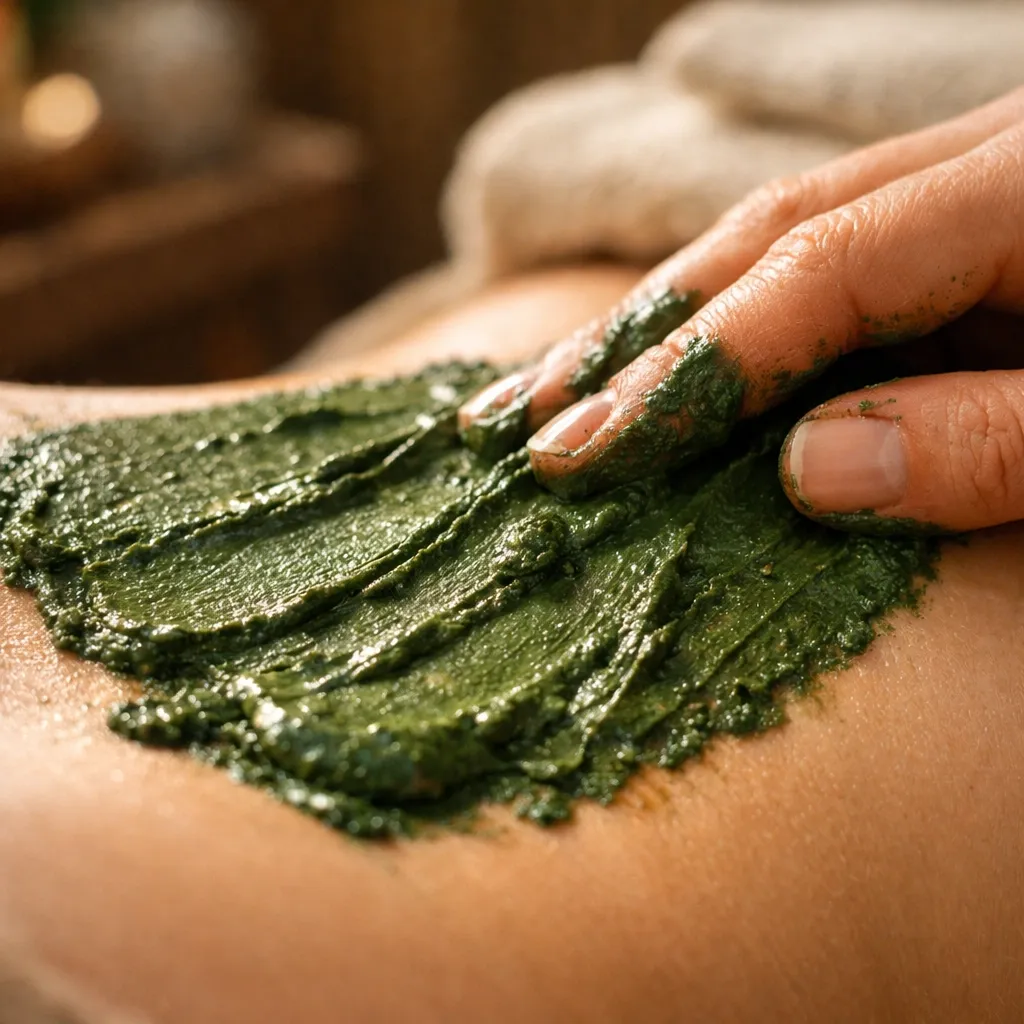
- Apply a thick layer: Don’t be shy. You want about a quarter-inch thick layer over the painful area.
- Let it work: Wait about 15 to 20 minutes. You’ll feel a slight tightening: that’s the "draw" effect happening!
- Rinse off: Use warm water and a cloth.
- Repeat: For chronic back pain, doing this once a day for three days can make a world of difference.
If you’re on the go and can’t do a full clay mask, check out soinargile.com or argilesoin.com for more tips on using clay-based topicals that are a bit more portable.
The Verdict
Back pain is complicated, but your relief doesn't have to be. While patches and balms have their place for a quick 30-minute distraction, they aren't helping your body recover.
By switching to back pain green clay, you are choosing a more performant, healthier, and scientifically backed method of healing. You’re avoiding the skin irritants of patches and the greasy mess of balms.
If you want the best, Clayer is the clear winner. It’s the purest, most studied, and most effective clay on the market. Your back: and your skin: will thank you.
For more information on how to use clay for different types of pain, check out our ultimate guide to French clay or read about why illite clay is the king of detox.
Ready to try it? Head over to clayerworld.com and grab a tube. It's time to stop masking the pain and start drawing it out.