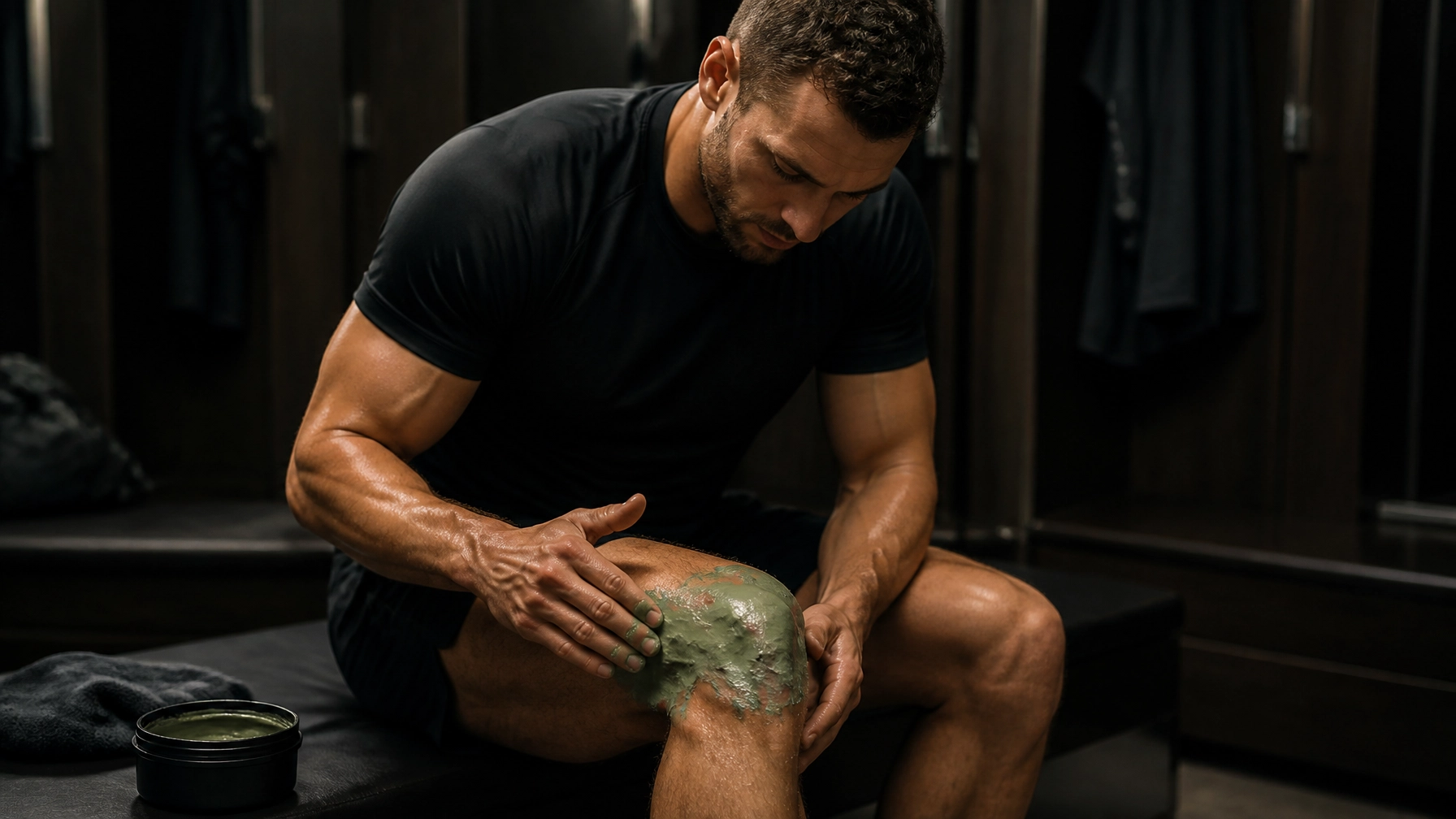
If you’ve ever dealt with nerve pain, you know it’s a different kind of beast. It’s not just a dull ache like a sore muscle; it’s a sharp, tingling, burning, or "electric" sensation that can stop you in your tracks. When looking for relief, most people head straight to the pharmacy for a lidocaine patch or cream.
Lidocaine is the "gold standard" for numbing, but as we move toward a more holistic understanding of recovery, many athletes and health-conscious individuals are asking: is there a better way to treat the source rather than just muting the signal?
Today, we’re looking at the heavy hitter of the pharmaceutical world: Lidocaine: and comparing it to the natural powerhouse: Clayer French Green Clay.
Understanding Lidocaine: The Numbing Strategy
Lidocaine is a local anesthetic. Whether you’re using a 5% prescription patch (Lidoderm) or an over-the-counter 4% cream, the mechanism is the same. It works by blocking sodium channels in your nerve endings. When these channels are blocked, the nerve can’t send a pain signal to your brain.
The Pros of Lidocaine
- Fast Acting: You usually feel the numbing effect within 30 to 60 minutes.
- Widely Available: You can find it in any drugstore.
- FDA Approved: It has a long history of clinical use for conditions like postherpetic neuralgia (pain after shingles).
The Cons of Lidocaine
- It’s a Band-Aid: Lidocaine doesn't "heal" anything. It just turns off the alarm. Once it wears off, the underlying inflammation or nerve irritation is still there.
- Chemical Absorption: Your skin is your largest organ. When you apply synthetic chemicals daily, your body has to process those substances.
- Side Effects: Some users report skin irritation, redness, or a strange "cold" sensation that can be just as annoying as the pain itself.
The Clayer Approach: Healing Through Adsorption
On the other side of the ring, we have Clayer. Unlike Lidocaine, which is a synthetic chemical designed to numb, Clayer is a bio-active Illite green clay.
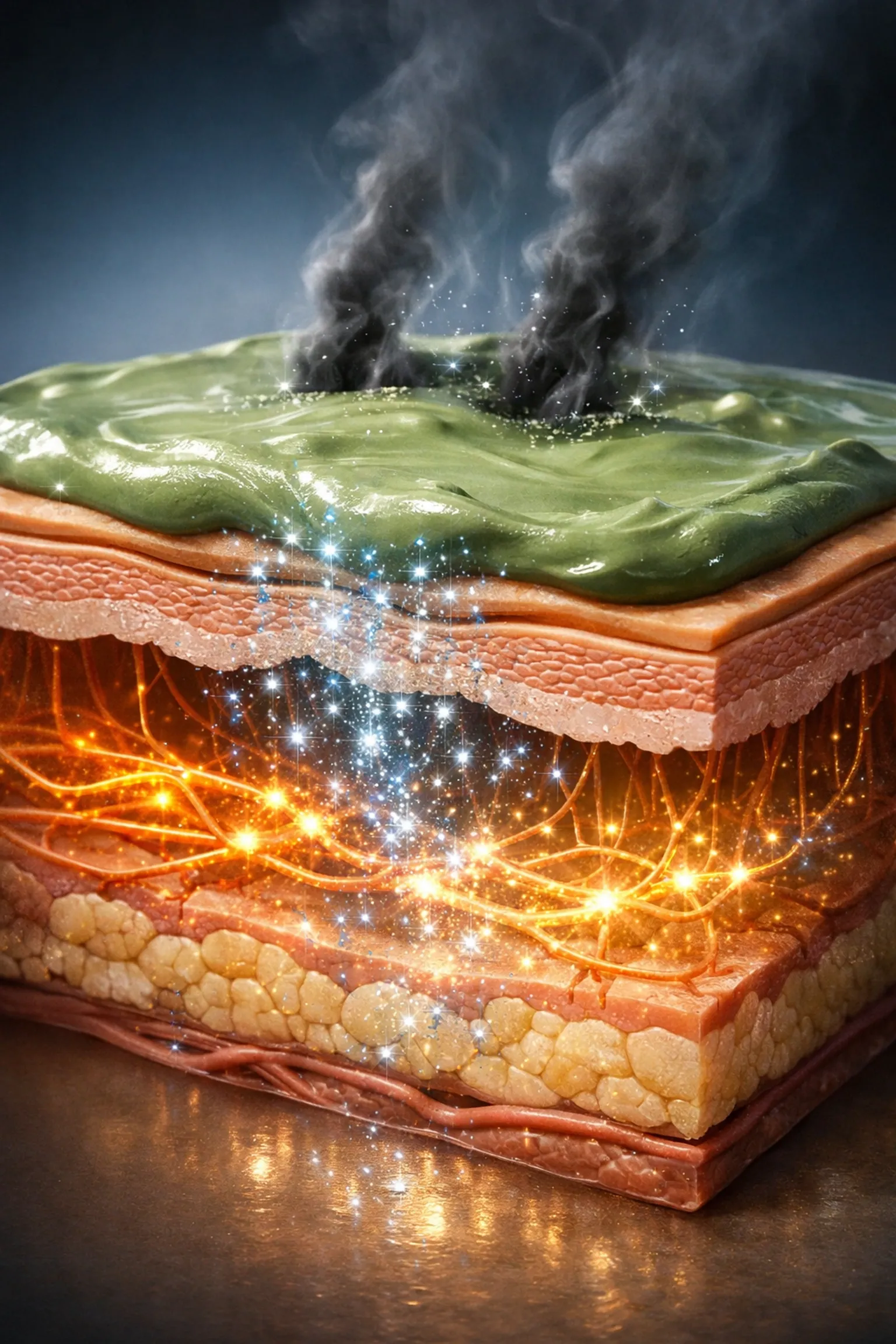
When you apply Clayer to a painful area, it doesn't just sit there. It goes to work through two specific processes: absorption and adsorption.
Instead of just blocking the pain signal, Clayer acts like a magnet. It draws out the toxins and inflammatory byproducts that are often the root cause of nerve irritation. By reducing the physical pressure and chemical inflammation around the nerve, it provides relief that feels "lighter" and more natural than the heavy numbness of lidocaine.

As you can see in the chart above, Clayer stands out among other clay brands like Aztec Secret or standard bentonites because it is specifically tested and verified for purity.
Why Purity Matters: The Heavy Metal Risk
One of the biggest concerns with "natural" recovery products: especially clays: is the presence of heavy metals. Because clay comes from the earth, it can naturally contain trace amounts of lead, arsenic, and mercury.
A study published in PMC highlights the risks of lead levels in certain clay products. If you are using a topical to heal your body, the last thing you want to do is introduce toxins into your bloodstream.
This is where Clayer wins the comparison. Clayer is one of the only brands that provides certified heavy-metal-free testing. While lidocaine is a lab-made chemical, many "cheap" clays on the market are untested and potentially hazardous. If you’re choosing the natural route, you have to choose a brand that prioritizes scientific purity.
Natural Nerve Pain Relief: How Clayer Works
Nerve pain is often exacerbated by heat and swelling. Clayer’s mineral composition: rich in silica, magnesium, and calcium: helps to stabilize the skin and underlying tissues.
- Thermal Regulation: The clay naturally draws heat away from the area, providing a cooling effect that is far more soothing than the chemical "chill" of a menthol or lidocaine product.
- Ion Exchange: The clay swaps beneficial minerals for the positively charged toxins in your tissue. This mineralogical characteristic is unique to high-quality French Green Clay.
- Increased Circulation: By clearing out the "junk" in the interstitial fluid around the nerves, it allows for better blood flow, which is essential for actual nerve repair.
Clayer vs. Lidocaine: Which is Best for You?
If you are an athlete or someone looking for a long-term recovery strategy, the choice often comes down to function vs. mask.
- Choose Lidocaine if: You have an acute, unbearable flare-up and need to literally "shut off" the area for a few hours to sleep or get through a specific task.
- Choose Clayer if: You want to reduce the underlying inflammation, avoid synthetic chemicals, and support your body’s natural healing process.
For those focused on best sport recovery, Clayer is the clear winner. Professional athletes across MMA, cycling, and track and field use Clayer because it allows them to recover without the brain-fog or skin-numbing effects that can interfere with performance. You can read more about these athlete-focused studies here.
The "Green Clay" Advantage in 2026
We are seeing a massive shift toward "Clean Recovery." Just as we’ve moved away from processed foods, we are moving away from processed medicine for minor aches and pains.
Clayer has been recognized for this innovation, recently winning the French Healing Clay Award 2025 for its commitment to safety and effectiveness.

How to Use Clayer for Nerve Relief
To get the most out of your natural recovery, follow these simple steps:
- Apply a Thick Layer: Don't rub it in like a lotion. You want a layer about a quarter-inch thick over the painful area.
- Don't Let it Dry Bone-Dry: The clay is most active when it is moist. If it starts to crack, it’s time to wash it off. For nerve pain, applying a damp cloth over the clay can extend the treatment time.
- Consistency is Key: Unlike Lidocaine, which you might use once, Clayer works best when used daily for a week to truly "reset" the inflammation in the area.
Final Thoughts
Lidocaine has its place in a first-aid kit, but it shouldn't be your only tool for nerve pain. By incorporating the "Draw vs. Numb" philosophy, you're not just hiding from the pain: you're actively helping your body move past it.
Whether you're visiting clayerworld.com, soinargile.com, or argilesoin.com, you’re looking for a product that respects your body’s biology. Clayer provides that bridge between ancient healing traditions and modern scientific purity.
If you’re ready to ditch the chemicals and see what a heavy-metal-free, mineral-rich detox can do for your nerves, it’s time to try the green way. Your skin, your nerves, and your long-term health will thank you.
For more information on choosing the right clay for your needs, check out our complete guide to green clay or see how Clayer stacks up against the competition in our Ultimate Clay Showdown.