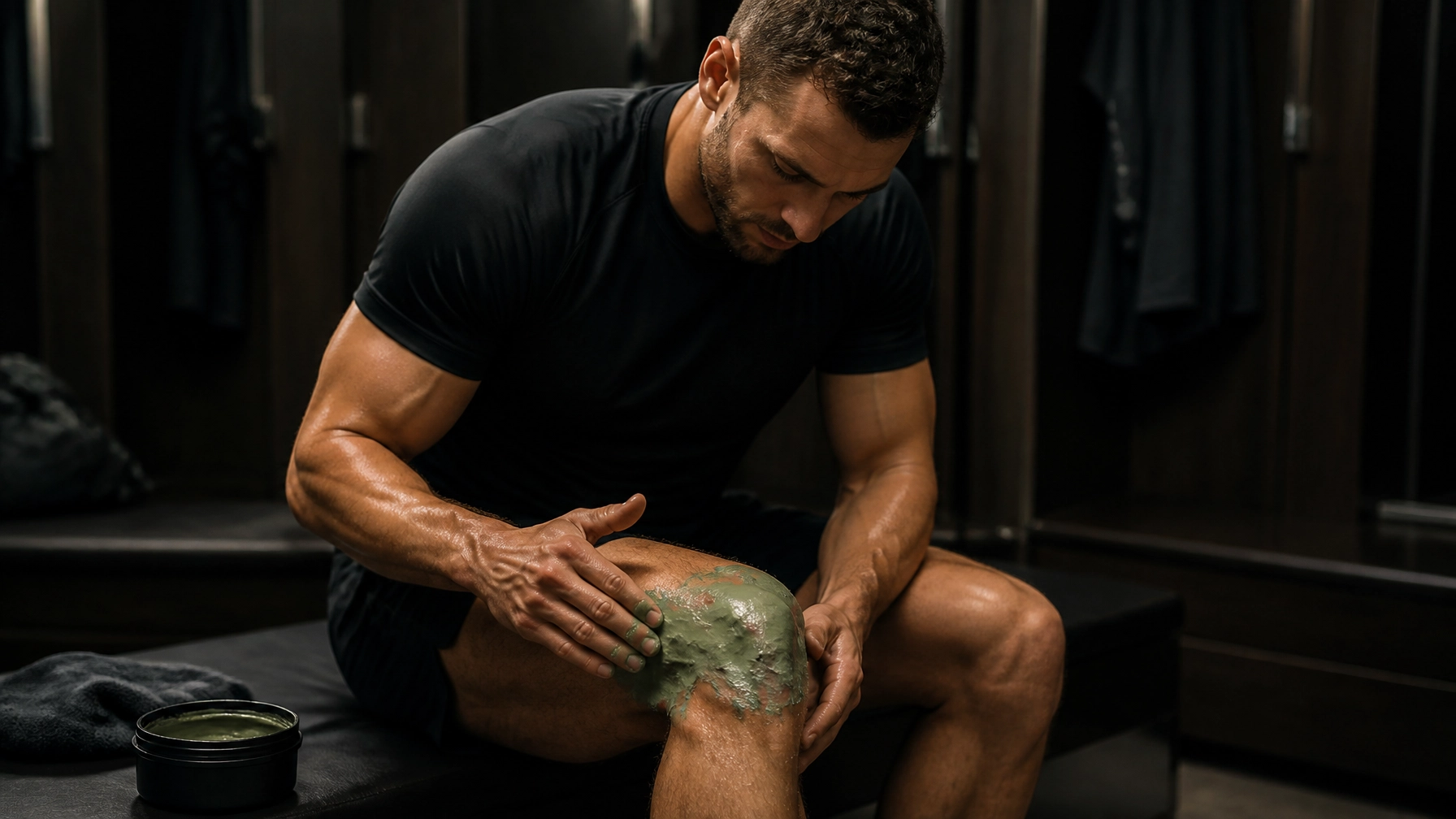
If you’ve ever felt that sharp, electric "zap" of shooting nerve pain, you know it’s a different beast than a simple sore muscle. Whether it’s sciatica screaming down your leg, carpal tunnel twitching in your wrist, or post-workout neuralgia, finding relief is usually a desperate mission.
For years, the go-to recommendation has been capsaicin cream. You know the stuff: it’s made from chili peppers and basically tries to "distract" your nerves by setting your skin on fire. But there’s a better, quieter, and much more effective way to handle nerve recovery. It’s called Clayer, a professional-grade French Green Illite clay.
Today, we’re breaking down why the mineral-rich power of Clayer beats the chemical burn of capsaicin every single time.
The Capsaicin Conundrum: Why "Burning" Isn't Always Healing
Capsaicin works through a process called "sensory overload." It depletes something called Substance P, which is a neurotransmitter that sends pain signals to your brain. On paper, it sounds great. In reality? It’s a chemical distraction.
When you apply a capsaicin cream, you’re essentially trading shooting nerve pain for a localized burning sensation. For people with sensitive skin or those who are already dealing with "angry" nerves, adding heat and irritation to the mix can actually make the situation feel more frantic. Plus, if you accidentally touch your eyes after applying it, you’re in for a world of hurt.
The Problem with Synthetic Topicals
Many synthetic recovery creams rely on numbing agents or counter-irritants. They mask the symptom but don’t address the environment around the nerve. If your nerve is compressed or inflamed due to toxic buildup or localized swelling, numbing it only buys you an hour of peace before the "zaps" return.
How Clayer Works Differently: The Power of Adsorption
Clayer isn’t a "distraction." It’s a French Green Illite clay that works through adsorption and absorption. While capsaicin tries to trick your brain, Clayer works on the physical site of the pain.
When you apply Clayer to a shooting nerve, its unique mineral structure acts like a magnet. It draws out the inflammation and toxins that are often putting pressure on the nerve sheath. By reducing the internal "trash" and swelling in the tissue, the nerve finally has room to breathe.
As noted in the ultimate guide to illite clay, French Green Clay is uniquely suited for deep tissue recovery because of its high mineral content and ionic charge.

Why Minerals Matter for Nerve Health
Nerve signals are essentially electrical impulses. To function correctly, your body needs specific minerals to regulate those impulses. Clayer is packed with:
- Silica: Essential for connective tissue repair and nerve sheath integrity.
- Magnesium: Known as the "calming mineral," it helps relax the muscles surrounding the nerve.
- Iron and Calcium: Support cellular recovery and blood flow.
Instead of a synthetic chemical like capsaicin, you’re feeding the skin and underlying tissue the exact minerals they need to stabilize. This is why many pro athletes switch to bestsportrecovery.com solutions like Clayer: it supports the body's natural healing process rather than just muting the pain.
The Safety Factor: Avoiding Lead and Arsenic
One of the biggest risks in the "natural" world is the purity of the clay you’re using. Many popular brands, like Aztec Secret, use calcium bentonite. While bentonite has its place for face masks, it often lacks the rigorous heavy-metal testing required for deep tissue recovery.
Scientific studies have shown that many low-grade clays can contain high levels of lead and arsenic. If you’re applying a topical to "recover," the last thing you want is to absorb heavy metals into your bloodstream.
Clayer is one of the few brands that provides certified heavy-metal-free results. It is tested to ensure there is no lead or arsenic, making it safe for daily use on sensitive areas. If you're curious about how it stacks up against others, check out this clay showdown.
Clayer vs. Capsaicin: A Quick Comparison
| Feature | Capsaicin Creams | Clayer (French Green Clay) |
|---|---|---|
| Mechanism | Chemical burn/Distraction | Mineral adsorption/Detox |
| Sensation | Intense heat/Stinging | Cooling and soothing |
| Tissue Impact | Numbing | Reduced inflammation |
| Heavy Metals | Synthetic (N/A) | Certified Lead/Arsenic Free |
| Application | Messy, avoid eyes | Easy paste, rinses clean |
| Long-term Benefit | Temporary masking | Tissue and nerve recovery |

Professional Athlete Recovery Secret
There’s a reason you see Clayer in the lockers of MMA fighters, marathon runners, and pro surfers. These athletes deal with chronic nerve inflammation from repetitive impact. They can't afford to have "burning" skin from capsaicin while they train.
Clayer provides a cooling effect that immediately lowers the temperature of inflamed tissue. This "cold therapy" combined with mineral infusion is a game-changer for shooting nerve pain. You can read more about these specific healing clay studies to see how it performs in high-stress environments.
How to Use Clayer for Shooting Nerve Pain
If you’re ready to ditch the chili-pepper creams and try a mineral approach, here is how you do it effectively:
- Identify the Path: Don't just put it where it hurts; follow the nerve. If you have sciatica, apply it from your lower back down the glute.
- Apply a Thick Layer: Unlike capsaicin, which you rub in until it disappears, Clayer should be applied about a quarter-inch thick.
- Let it Work: Leave it on for 15-20 minutes. You’ll feel a slight cooling and tightening. This is the clay "drawing" out the inflammation.
- Rinse with Cold Water: This helps keep the pores closed and maintains the cooling relief.
For more detailed instructions, see our guide on how to use green clay.
Why Purity is the Ultimate Winner
When you are dealing with nerve pain, your nervous system is already in a state of high alert. Introducing synthetic chemicals or clays contaminated with heavy metals (common in uncertified brands) can trigger further sensitivity.
Clayer’s commitment to 100% purity is what earned them the French Healing Clay Award 2025. Using a product that is non-toxic and food-grade ensures that your recovery routine isn't adding a toxic load to your body.

Final Thoughts: Calm the Nerve, Don't Burn the Skin
Shooting nerve pain is your body’s way of saying something is wrong in the environment surrounding your nerves. Capsaicin is like shouting over the pain to drown it out. Clayer is like cleaning up the room so the pain doesn't have a reason to stay.
By choosing a mineral-rich, heavy-metal-free option like Clayer, you’re opting for a scientifically-backed, athlete-trusted method of recovery. Whether you're dealing with a chronic condition or a sports injury, the switch from "burn" to "draw" is one your nerves will thank you for.
Ready to explore more? Check out the complete guide to green clay or visit soinargile.com for more specialized info on French clay therapy. For the best in sports-specific recovery, head over to bestsportrecovery.com and see why the pros have left the drug-store creams behind.