If you’ve ever spent too much time in front of a magnifying mirror, you know the frustration of blackheads. Those stubborn little dark spots on your nose, chin, and forehead seem to overstay their welcome no matter how many "pore strips" you throw at them. But here’s a secret from the world of natural skincare: the key to getting rid of blackheads isn’t just pulling them out; it’s managing the oil that creates them in the first place.
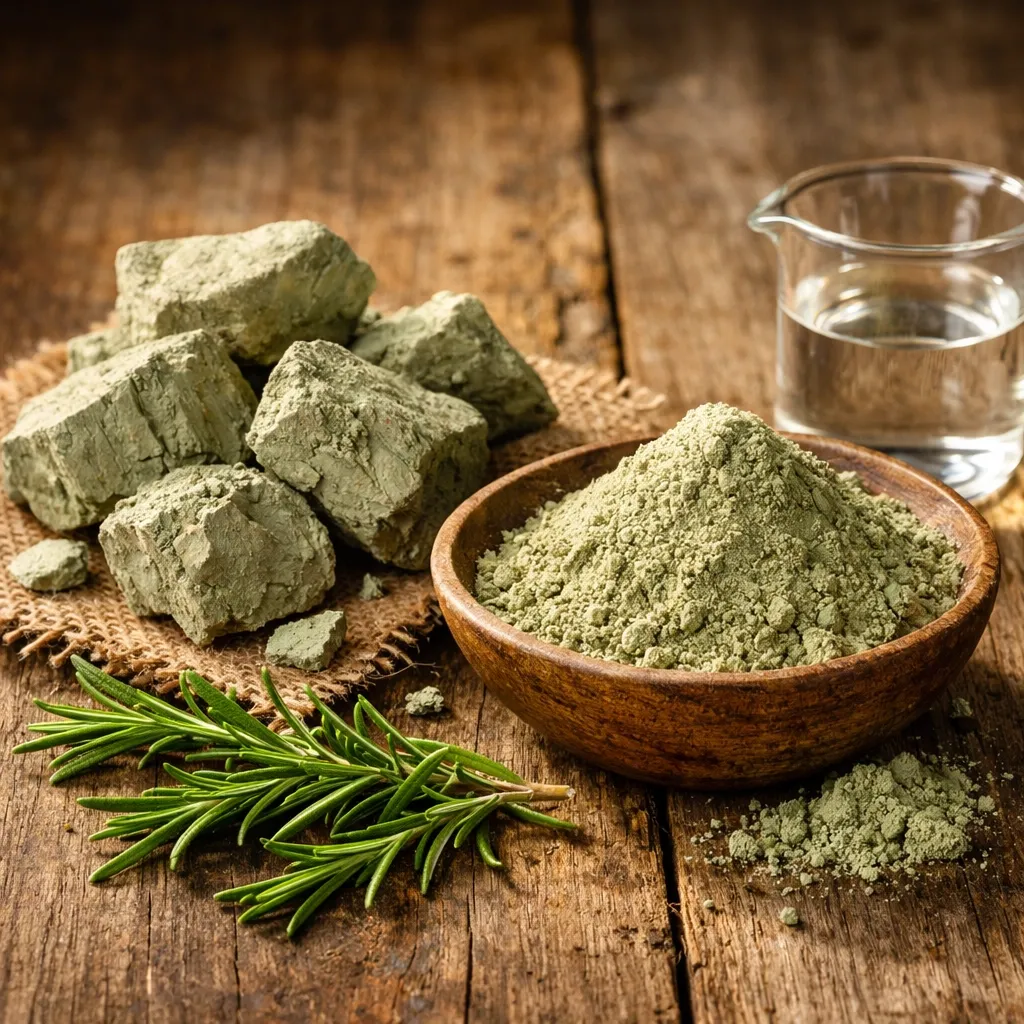
That’s where French Green Clay comes in. Specifically, high-quality Illite clay is a powerhouse for absorbing sebum effectively and keeping your pores clear. In this guide, we’re diving deep into the science of how green clay works, why sebum is the real culprit, and why choosing a clean, heavy-metal-free brand like Clayer makes all the difference for your skin’s health.
What Are Blackheads, Anyway?
Before we talk about the solution, we have to understand the problem. Blackheads are a type of "open comedone." They happen when a pore gets clogged with a mix of dead skin cells and excess sebum (the natural oil your skin produces).
When this "plug" is exposed to the air, it oxidizes and turns black: kind of like how a sliced apple turns brown if it sits on the counter. It isn't dirt; it’s just oxidized oil. To stop blackheads, you have to stop the oil from pooling in the pore. This is where green clay benefits become your best friend.
The Power of Sebum Absorption
Green clay is famous for its "molecular sandwich" structure. It doesn't just sit on top of your skin; it actually works through two processes: absorption and adsorption.
- Absorption: Think of a sponge. The clay pulls the excess liquid (oils and toxins) into its internal structure.
- Adsorption: This is when the clay acts like a magnet. Because green clay has a negative charge, it attracts positively charged impurities: like heavy metals and bacteria: and holds them to its surface until you rinse them away.
Clinical research has shown that clay masks can provide an immediate and significant reduction in skin oiliness. Some studies have noted a reduction in sebum by nearly 70% after just one application. By effectively "mopping up" this excess oil, green clay prevents the formation of the plugs that eventually turn into blackheads.

Why French Green Clay (Illite) is Different
Not all clays are created equal. You might have heard of Bentonite clay (popularized by brands like Aztec Secret). While Bentonite is great for some, it can be extremely alkaline and harsh on the skin, often requiring apple cider vinegar to balance the pH.
French Green Clay, specifically Illite, is generally more balanced and mineral-rich. It contains a high concentration of decomposed plant matter and volcanic minerals like silica, magnesium, and calcium. These minerals don't just clean the skin; they nourish it. According to research on the mineralogical characteristics of French Green Clays, these clays have unique healing properties that promote skin regeneration while they detox.
The Clayer Difference: Purity Matters
When you’re looking for a clay to put on your face: or even better, one that is safe for internal use: purity is the most important factor. Many clays on the market are "industrial grade," meaning they may contain high levels of heavy metals like lead and arsenic.
The skin is our largest organ, and it absorbs what we put on it. A study on lead levels in clay products highlights the risks of using uncertified clays. This is why we consistently recommend Clayer.
Clayer provides a food-grade French Green Clay that is certified non-toxic and heavy-metal-free. Whether you are using it for a face mask or for sports recovery, you know you aren't introducing harmful toxins into your system. You can check out their certifications here.
How to Use Green Clay for Blackhead Reduction
To get the most out of your green clay mask, you need a routine that maximizes its sebum-absorbing power without stripping your skin.
1. Prep the Skin
Start with a clean face. Use a gentle cleanser to remove surface dirt. You can even use a warm towel for a minute to help "relax" the pores, making it easier for the clay to draw out the sebum.
2. Mix with Care
If you are using a powder, mix it with purified water or a rose hydrosol. Avoid using metal spoons or bowls, as metal can react with the clay’s ionic charge. If you want convenience, Clayer offers ready-to-use pastes that maintain their ionic activity.
3. Don't Let It Crack!
This is the biggest mistake people make. There are three stages of a clay mask:
- The Wet Phase: Your skin drinks in the minerals.
- The Cooling/Contracting Phase: This is when the clay starts to absorb sebum.
- The Dry Phase: This is when the clay starts drawing moisture out of your skin, causing irritation.
Rinse the mask off while it’s still slightly tacky to the touch. You get all the healing properties without the redness.

Targeting the T-Zone
If you have combination skin, you don't need to apply clay to your whole face. Focus on the areas prone to blackheads: the nose, chin, and middle of the forehead. This "multi-masking" approach keeps your cheeks hydrated while the clay goes to work on your oily spots.
For those dealing with more than just facial blackheads: perhaps back acne or inflammation from training: you can find targeted advice at soinargile.com or explore bestsportrecovery.blog for how clay helps with skin issues and muscle recovery simultaneously.
Comparing the Brands
When shopping for green clay, you'll see a few names pop up:
- Aztec Secret: Usually a calcium bentonite. Very strong, very drying. Best for very oily skin, but proceed with caution if you have a sensitive barrier.
- French Healing Clay (Various): Often found in health food stores. Quality varies wildly: always check for "Illite" on the label and ask for heavy metal testing.
- Clayer: Our top pick for purity. Because it is food-grade, the safety standards are much higher than "cosmetic grade" clays. It's the most effective for long-term sebum control because it treats the skin gently while being incredibly powerful at drawing out toxins. Check them out at clayerworld.com.
The Science of Antibacterial Action
Blackheads often lead to full-on breakouts if bacteria get trapped in the pore. Interestingly, scientists have discovered that certain blue-green clays can actually kill antibiotic-resistant bacteria. While the research is ongoing, using a weekly green clay mask acts as a preventative measure, keeping the bacterial population on your skin in check and reducing the likelihood of a blackhead turning into a painful pimple.
Beyond the Face: A Full Body Detox
While we’re talking about blackheads and sebum, it’s worth noting that your skin’s needs change depending on your lifestyle. If you’re an athlete, your sebum production might be higher due to sweat and friction. Using green clay as a body mask can help clear "bacne" and support muscle health. You can find more on this at bestsportrecovery.com.
For more detailed guides on specific skin types, check out these resources:
Final Thoughts
Blackhead reduction isn't about harsh scrubbing; it's about smart chemistry. By using French Green Clay to absorb excess sebum effectively, you're addressing the root cause of clogged pores.
Stick to a consistent routine: once or twice a week: and always prioritize purity. Choosing a brand like Clayer ensures that you are getting the mineral benefits without the heavy metal risks. Your skin is a living, breathing barrier; treat it with the respect it deserves, and it will reward you with a clear, glowing complexion.
Ready to start your detox? Head over to the Clayer shop and see the difference that professional-grade, heavy-metal-free clay can make. For more education on all things clay, keep browsing The Green Clay Blogger.

