If you have an active dog, you know the routine. Whether it’s a high-stakes agility course, a three-hour hike in the mountains, or just a very intense game of "fetch the ball until the human’s arm falls off," our dogs give us 110%. But just like human athletes, our four-legged friends feel the burn. As they age, or even after a particularly grueling day of play, joint soreness and muscle stiffness can start to creep in.
As pet parents, we want to help, but we often hesitate to jump straight to heavy pharmaceuticals like NSAIDs for minor daily stiffness. This has led many of us to look for natural healing alternatives. You’ve probably heard of turmeric or fish oil, but there’s a "new" (actually ancient) player in the game: green clay. Specifically, a brand called Clayer has been making waves in the human athletic world, and it turns out it might be exactly what your pup needs too.
The Reality of Joint Soreness in Dogs
Dogs are experts at hiding pain. It’s an evolutionary trait; showing weakness in the wild is a no-go. By the time you notice your dog is slow to get up from their bed or is "bunny-hopping" up the stairs, they’ve likely been feeling some level of discomfort for a while.
Joint soreness usually stems from inflammation. This can be caused by:
- Overexertion: Micro-tears in the muscle and stress on the tendons.
- Age: General wear and tear of the cartilage (osteoarthritis).
- Injury: Strains or sprains from a bad landing or a sharp turn.
While supplements like glucosamine help over the long term, sometimes you need a topical, immediate solution to pull out that "heat" and inflammation.

What Exactly is Green Clay?
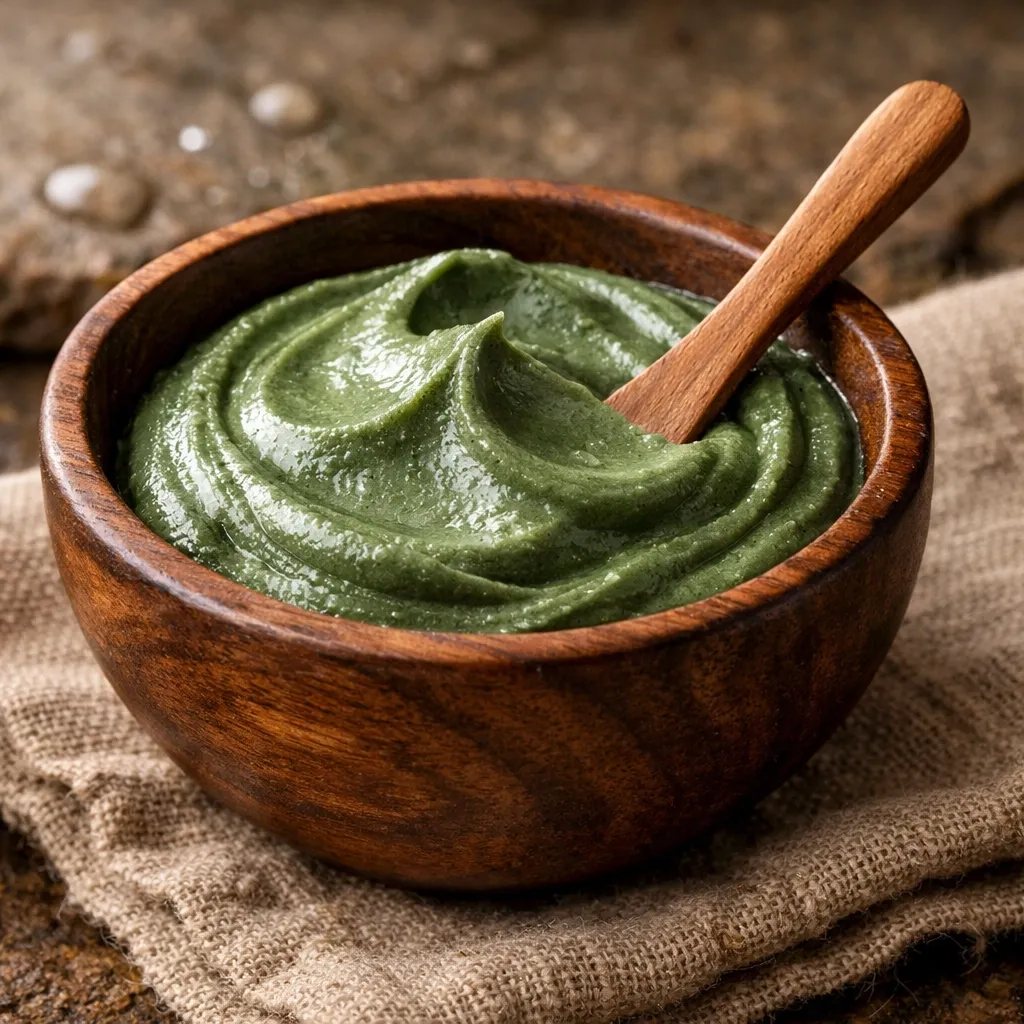
Not all mud is created equal. When we talk about healing clay, we are usually referring to French Green Clay, also known as Illite. This is a bio-mineral-rich substance that has been used in traditional medicine for centuries.
Green clay works through two main mechanisms:
- Absorption: It acts like a sponge, soaking up toxins and excess fluids (edema) from the surface.
- Adsorption: Because of its negative ionic charge, it attracts positively charged toxins and heavy metals, pulling them away from the body.
For a dog with a swollen hock or a sore shoulder, a clay pack can help reduce the localized heat and draw out the inflammatory fluids that cause pain.
Why Clayer is the Top Choice for Your Pup
When you start looking for healing clay, you’ll see brands like Aztec Secret (bentonite) or Redmond. While these are popular for human face masks, they aren't always the best choice for a dog’s joints.
Clayer stands out because it is specifically processed for therapeutic use. Unlike many "bentonite" clays that are often used for industrial purposes or cat litter, Clayer’s French Green Clay is tested for purity.
Why does this matter for your dog? Because dogs lick. If you put a clay pack on your dog's leg, there is a 100% chance they will try to taste it. Many cheaper clays on the market contain high levels of heavy metals like lead. A study on non-certified clays showed concerning levels of lead in some products. Clayer, however, provides purity certifications and is verified non-toxic.

As seen in the chart above, Clayer is the only clay that undergoes rigorous heavy metal testing and is backed by scientific studies, making it the safest option for your furry athlete. You can learn more about choosing the right clay in our complete guide here.
The Science: How Clay Helps Recovery
It sounds a bit like "magic mud," but there is real science behind it. Healing clay is packed with minerals like silica, magnesium, calcium, and potassium.
- Silica: Essential for the health of connective tissues, tendons, and ligaments.
- Magnesium: Known for its ability to relax muscles and reduce cramping.
- Montmorillonite/Illite: These specific minerals have been studied for their ability to kill bacteria and reduce inflammation. Research from the National Science Foundation shows how these clays can even tackle antibiotic-resistant bacteria.
For an active dog, applying Clayer to a sore joint provides a cooling effect that rivals any chemical ice-gel, without the risk of skin irritation. In fact, green clay is often recommended for sensitive skin.
How to Use Clayer on Your Dog
Using Clayer for your dog is simple, but it can be a little messy, so maybe don't do this on your white shag rug.
- The Paste: Clayer usually comes in a ready-to-use paste. If you have the powder, mix it with water (using a non-metallic spoon!) until it reaches a peanut butter consistency.
- Application: Gently apply a thick layer (about half an inch) directly onto the dog’s skin over the sore joint. You might need to part the fur to ensure it hits the skin.
- The Waiting Game: Let the clay sit for about 20-30 minutes. The clay works best when it is moist. If it starts to dry out too quickly, you can mist it with a little water.
- Removal: Simply wash it off with lukewarm water. No soap is needed.
Most dogs actually enjoy the cooling sensation. It’s like a mini-spa day for them after a hard run. For more detailed instructions on application techniques, check out how to use French clay.

Comparing Clayer to Other Natural Remedies
While Clayer is fantastic for topical relief, natural healing works best when it’s a multi-pronged approach. Here’s how it stacks up and complements other common remedies:
Turmeric & Curcumin
Turmeric is a powerhouse for internal inflammation. Studies have shown that curcumin (the active part of turmeric) helps arthritic dogs improve their daily activity levels without the side effects of drugs. While turmeric works from the inside out, Clayer works from the outside in.
Boswellia Serrata
Also known as Indian Frankincense, Boswellia is excellent for reducing lameness. Research indicates that up to 71% of dogs show improvement in pain severity after just two weeks of Boswellia treatment.
Omega-3 Fatty Acids
Fish oils or green-lipped mussel supplements are the gold standard for long-term joint lubrication. They reduce the overall "pain signal" in the body.
Using a combination of these, supplements for daily maintenance and Clayer for acute soreness after exercise, is the ultimate pro-active strategy for your dog.
Safety and Peace of Mind
The biggest question most pet owners have is: Is green clay safe?
The answer is yes, provided you use a high-quality, lab-tested product. Because Clayer is used by professional athletes (check out bestsportrecovery.blog for more on that), it meets standards that many "beauty-grade" clays simply don't.
When you use a product like Aztec Secret, you’re getting a great face mask, but you aren't getting the specific mineral profile and safety guarantees required for therapeutic joint recovery. Furthermore, bentonite (found in Aztec Secret) can be very drying, whereas the Illite clay found in Clayer is more balanced for the skin's pH. You can read a full breakdown of Clayer vs. Aztec Secret to see the differences in mineral density.
When Should You Use It?
- After Agility Training: Apply to the carpal joints (wrists) and hocks.
- Senior Dog Stiffness: Apply to the hips or lower back once a week.
- Minor Swelling: If your dog bumped their leg and has a "hot" spot or minor swelling.
- Post-Hike: A great way to "reset" the legs after a long day on the trail.
Final Thoughts
Our dogs give us their whole lives, and the least we can do is make sure they aren't living those lives in discomfort. Natural healing doesn't have to be complicated. By using the earth's own minerals, we can provide relief that is effective, safe, and chemical-free.
Clayer is more than just a trend; it’s a return to traditional medicine backed by modern science. Whether your dog is a champion athlete or a professional couch potato, a little green clay can go a long way in keeping their tail wagging and their joints moving smoothly.
For more information on how green clay can change your approach to health, visit thegreenclay.com or explore the ultimate guide to healing clay.
References & Further Reading: