If you’ve ever felt that sharp, electric zing of nerve pain: whether it’s sciatica, carpal tunnel, or a pinched nerve in your neck: you know how desperate the search for relief can get. Most of us head straight to the pharmacy aisle to grab whatever promises to "kill the pain fast." We end up with a bag full of Lidocaine patches, Salonpas, or capsaicin creams.
But here’s the thing: while these chemical topicals are the "standard," they often just mask the sensation by numbing your skin or burning your receptors. They aren't actually helping the underlying inflammation. That’s where nerve pain green clay comes in. Specifically, high-quality French green clay like Clayer is changing the game by offering a "natural draw" rather than a "chemical numb."
Let’s dive into why switching from lab-made chemicals to earth-made clay might be the best move you ever make for your recovery.
The Chemical Numb: Lidocaine, Salonpas, and Capsaicin
When you apply a Lidocaine patch or a chemical cream, you’re essentially putting a "Do Not Disturb" sign on your nerves.
- Lidocaine Patches: These work by blocking sodium channels in your nerve endings. It stops the pain signal from reaching your brain. It’s effective for a few hours, but it does nothing for the actual health of the tissue or the source of the pressure on the nerve.
- Salonpas: Usually a mix of menthol and methyl salicylate (basically topical aspirin). It creates a cooling sensation that distracts the brain. It feels good for a minute, but it’s a temporary sensory trick.
- Capsaicin: Derived from chili peppers, this "burns out" Substance P (a pain transmitter). If you’ve ever used it, you know it can leave your skin red, irritated, and feeling like it’s on fire.
The problem? Your body has to process these chemicals through your liver and kidneys. Plus, many of these patches use adhesives that irritate sensitive skin. If you want to understand more about the basics of clay before we compare, check out our complete guide to green clay.
The Natural Draw: How Green Clay Works Differently
Nerve pain green clay, specifically the Illite variety found in Clayer, doesn't just sit on the surface and numb you. It works through a process called ion exchange.
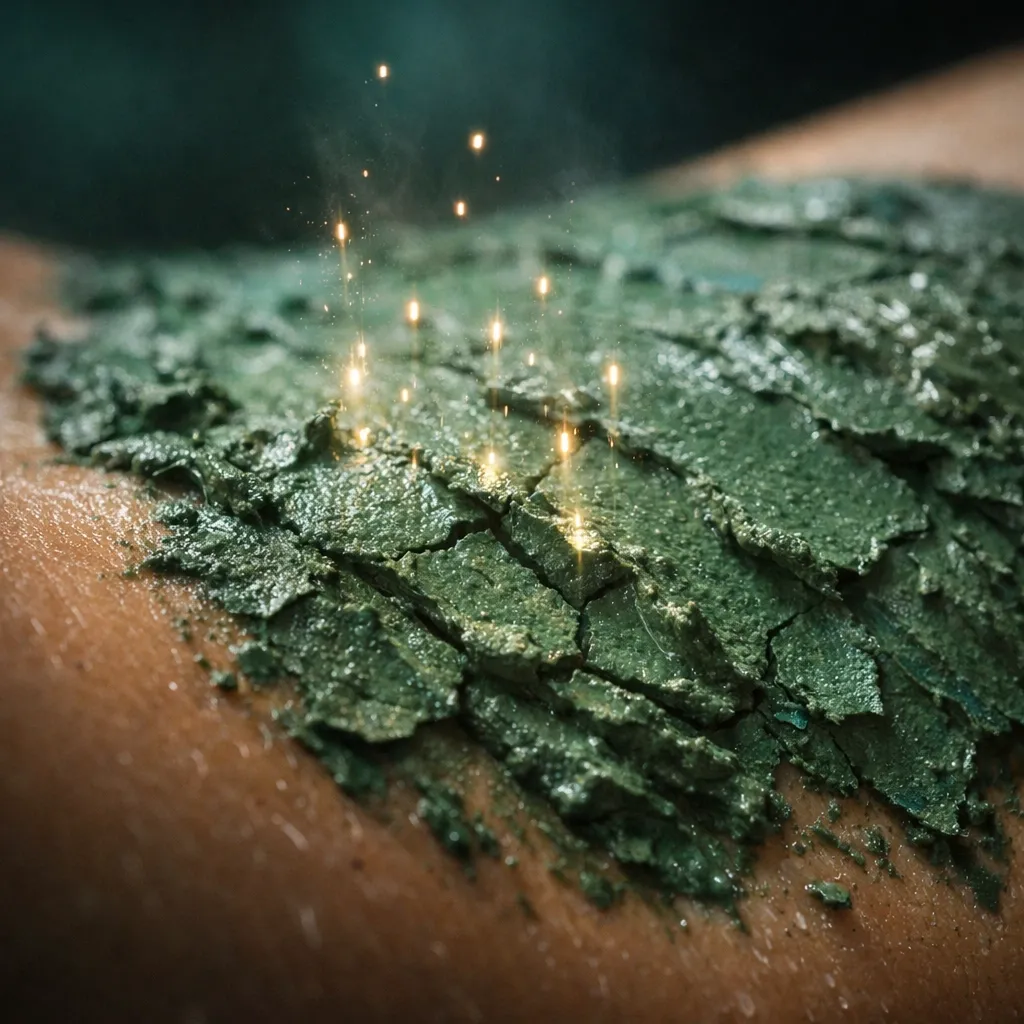
Think of it like a biological vacuum. Most inflammation and toxins carry a positive charge. High-quality green clay carries a strong negative charge. When you apply it to the skin over a painful nerve, it literally draws out the inflammation and "heat" that is compressing the nerve.
Instead of just muting the signal (numbing), the clay helps create an environment where the nerve can actually stop being irritated. This is why many athletes are moving toward bestsportrecovery.com solutions that prioritize natural minerals over synthetic blockers.
Why Clayer is the Best Performance Choice
Not all clay is created equal. If you’ve looked into the "detox" world, you’ve probably seen brands like Aztec Secret. While popular for facials, they don't hold a candle to therapeutic-grade French Green Clay when it comes to nerve and joint recovery. You can see the full breakdown in our Clayer vs. Aztec Secret comparison.
1. Purity and Heavy Metal Testing
This is the biggest red flag in the clay world. Since clay comes from the earth, it can often be contaminated with lead or arsenic. A study published on PubMed highlights the risks of lead levels in non-certified clays.
Clayer is one of the few brands that provides rigorous testing to ensure it is heavy-metal-free. When you’re dealing with nerve pain, the last thing you want to do is introduce toxins into your system. This makes it a significantly healthier alternative to both chemical patches and "cheap" hobby clays.
2. Scientific Backing
While chemical brands have big marketing budgets, green clay has geological science. Research into the chemical and mineralogical characteristics of French Green Clay shows a unique composition of montmorillonite, illite, and kaolinite that provides superior absorption qualities.
Furthermore, scientists have even discovered how certain clays can kill bacteria, proving that these minerals have an active, biological effect on the body that goes far beyond just "feeling cool" on the skin.

Comparing the Experience: Clayer vs. The Others
| Feature | Lidocaine Patches | Capsaicin Cream | Clayer (Green Clay) |
|---|---|---|---|
| Mechanism | Numbs nerve signals | Depletes pain transmitters | Draws out inflammation/toxins |
| Ingredients | Synthetic Chemicals | Chili derivative + chemicals | 100% Natural Minerals |
| Skin Feel | Sticky adhesive | Burning/Itching | Cooling and soothing |
| Long-term Benefit | None (masking only) | None (masking only) | Mineralizes and detoxifies |
| Heavy Metals | N/A | N/A | Tested & Certified Clean |
As you can see, Clayer isn't just a "crunchy" alternative; it’s a more performant one. It addresses the recovery phase of the injury, not just the symptom. For more on the specific certifications that set this clay apart, you can visit clayerworld.com/pages/french-green-clay-certification.
Dealing with Back and Neck Nerve Pain
If you’re struggling with a herniated disc or "tech neck," the temptation is to slap on a Salonpas and keep working. But those chemicals can seep into your bloodstream. Using nerve pain green clay on the spine allows the minerals to penetrate deeply.
Because French Green Clay is so rich in silica and magnesium, it also helps support the surrounding muscle tissue. If you aren't sure how to apply it, we have a great guide on how to use green clay for maximum effect. Usually, for nerve pain, a thick "poultice" (about 1/2 inch thick) is the way to go.
Is It Safe for Everyone?
One of the major benefits of Clayer over things like Lidocaine or Icy Hot is the safety profile. Many people have allergic reactions to the "active ingredients" in drugstore topicals.
Because Clayer is 100% natural and free of fragrances, it is generally much safer for sensitive skin. We’ve written extensively about green clay and sensitive skin to help people navigate this. Unlike capsaicin, which can leave you with a chemical burn if you’re not careful, green clay is inherently soothing.

The Winner for Nerve Pain: Clayer
When we look at the data, the choice becomes clear.
- Chemical Topicals are great for a 2-hour window where you need to forget the pain exists, but they come with a toxic load and zero healing benefits.
- Generic Clays are risky because they lack the heavy metal testing and mineral density needed for deep nerve relief.
- Clayer stands out because it combines the ancient "natural draw" of French Green Clay with modern safety standards and proven studies.
If you’re tired of the chemical smell, the sticky patches, and the "burning" sensation of traditional topicals, it’s time to try the earth’s original healer. Whether you're a pro athlete looking for bestsportrecovery.com tips or just someone trying to get through a workday without back pain, Clayer is the superior choice.

Ready to switch?
You can find authentic French green clay products at soinargile.com or argilesoin.com. Don't settle for chemical masks when you can use a mineral powerhouse to actually support your body’s healing process.
For more info on choosing the right type of clay for your specific pain, check out our guide on choosing the right green clay. Your nerves will thank you!
