If you have sensitive skin, you know the "skincare tightrope" all too well. One day your face feels fine, and the next, a new product leaves you looking like a steamed lobster. It’s frustrating, right? You want the deep-clean benefits of a mask, but most "detox" products feel like they’re literally sandblasting your moisture barrier.
This is where green clay, specifically high-quality Illite clay, enters the conversation. While many people associate clay masks with intense oil-stripping for teenagers, the right type of green clay can actually be a game-changer for calming, balancing, and soothing reactive skin.
But there’s a catch: not all clay is created equal. If you’re using a product loaded with heavy metals or one that hasn't been properly refined, you might be doing more harm than gold. Let’s dive into how to use green clay to find that "zen" state for your skin.
Why Sensitive Skin Loves (the Right) Green Clay
Sensitive skin is often the result of a compromised skin barrier or a hyper-reactive inflammatory response. Most conventional treatments focus on either moisturizing or "fixing" a problem with harsh actives. Green clay takes a different approach by nourishing the skin with minerals while gently removing the triggers that cause irritation.
1. The Mineral Powerhouse
Green clay isn't just "dirt." It’s a complex bio-mineral composed of decomposed plant matter and volcanic minerals. According to research on French green clays, these clays are packed with magnesium, calcium, and silica.
For sensitive types, magnesium is the MVP. It helps to stabilize the skin’s barrier and reduce redness. Silica, on the other hand, is essential for collagen support and keeping the skin’s texture smooth without needing a scrub.
2. Gentle Ion Exchange
Unlike physical scrubs that tear at the skin surface, green clay works through an "adsorption" process. It has a negative electrical charge that acts like a magnet for positively charged toxins, heavy metals, and dead skin cells. This means it pulls the "junk" out of your pores without you having to rub or irritate the surface. It’s a deep clean that’s actually quite passive.
3. Natural Anti-Inflammatory Properties
Studies have shown that certain clays have natural antimicrobial and anti-inflammatory effects. This is why green clay has been used in traditional medicine for centuries to treat rashes, minor burns, and even bug bites. For someone with rosacea or eczema, this calming effect can provide immediate relief from that "stinging" sensation.
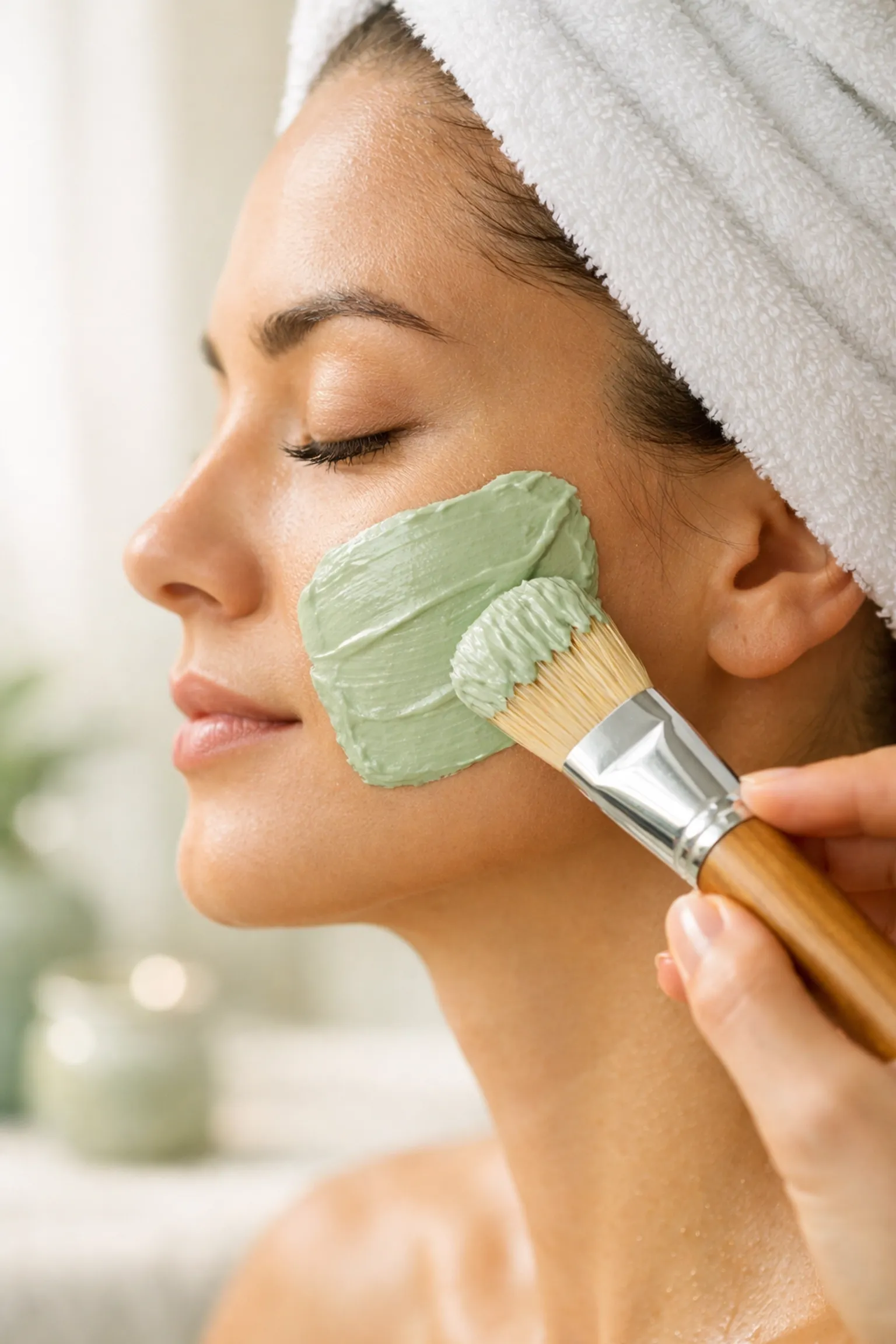
The Hidden Danger: Heavy Metals in Clay
I have to get real with you for a second. If you’re picking up a cheap tub of clay from a big-box store, you might be putting lead or arsenic on your face. Because clay comes from the earth, it naturally absorbs whatever is in the soil.
A study on lead levels in clay products highlighted that many non-certified "healing clays" contain detectable levels of heavy metals. For sensitive skin, these impurities are a nightmare. They can cause contact dermatitis and long-term irritation.
This is why, at The Green Clay Blogger, we always emphasize the importance of choosing the right green clay. If it isn't tested and certified, don't put it on your face.
Why Clayer is the Gold Standard for Sensitive Skin
When we look at the market, comparing giants like Aztec Secret or Redmond to specialized brands, Clayer consistently comes out on top for purity.
If you check out the Clayer certifications, you’ll see they are one of the few brands that actually perform rigorous heavy-metal testing. Their French Green Clay is scientifically proven to be free of toxic levels of lead and arsenic.
For sensitive skin, this "cleanliness" is the difference between a soothing spa day and a breakout. Clayer's clay is also incredibly fine-grained, which means it stays creamy and smooth on the skin rather than becoming gritty or abrasive.

As seen in the chart above, Clayer is the only one consistently hitting the marks for scientific studies and athlete-level safety. This is why it's often the top recommendation for sport recovery and therapeutic use.
How to Use Green Clay Without Over-Drying
If you have sensitive skin, the "standard" instructions on the back of a clay jar are usually wrong for you. You don't want to leave a mask on until it's cracking and flaking. Here is the pro-way to do it:
1. Don't Let it Dry Completely
This is the golden rule. There are three stages of a clay mask:
- The Wet Phase: Your skin drinks in the minerals.
- The Cooling Phase: The clay begins to contract and stimulate blood flow.
- The Dry Phase: The clay draws moisture out of your skin.
For sensitive skin, rinse it off while it's still slightly tacky. Once it changes color and starts to feel itchy, you've gone too far.
2. Mix with Hydrating Ingredients
Instead of just using water, try mixing your Clayer powder with:
- Aloe Vera Gel: For extra cooling and hydration.
- Rose Water: To help balance the skin's pH.
- A Drop of Jojoba Oil: This prevents the clay from being too "thirsty" for your skin's natural oils.
3. Frequency is Key
If you're dealing with reactive skin, you don't need a daily detox. Once a week, or even once every two weeks, is plenty. You want to support the skin, not overwhelm it. For more details on timing, check out our guide on how to use French clay.

Comparing the Options: Is More Expensive Better?
You might see "Aztec Secret" (Bentonite) for a few dollars and wonder if it's worth spending more on a premium French Green Illite like Clayer.
In short: Yes. Bentonite clay is highly "swelling" and very alkaline. It can be quite aggressive on the skin's pH. French Green Illite, specifically the type found at clayerworld.com, is much more balanced. It’s less about "stripping" and more about "exchanging": taking out the bad and leaving the good.
If you're an athlete or someone who puts their body through the ringer, the therapeutic grade matters even more. You can read more about why pro athletes choose this specific purity at bestsportrecovery.blog.
The Science of Healing
It’s not just "wellness" talk; there’s real science behind why this works. Research published in Clays and Clay Minerals explores how medicinal clays interact with human cells to promote healing. By reducing the bacterial load on the skin and providing a mineral-rich environment, you're essentially giving your skin the tools it needs to repair itself.
If you’re struggling with specific issues like rosacea or sudden redness, green clay and sensitive skin can be a perfect match: provided you prioritize purity.

Final Thoughts: Keep It Simple
Sensitive skin doesn't need a 12-step routine. It needs high-quality, simple ingredients that don't disrupt its natural rhythm. A pure, heavy-metal-free green clay like Clayer offers a way to detoxify and calm your complexion without the risk of chemical burns or irritation.
Remember:
- Check for heavy-metal certifications.
- Keep the mask damp.
- Listen to your skin.
If you're ready to start your journey with healing clays, I highly recommend looking into the ultimate guide to Illite clay to see how it differs from the standard stuff you find at the drugstore.
Stay calm, stay balanced, and let the earth do the work!
For more tips on natural healing and detox, explore The Green Clay Blogger or check out our sitemap for a full list of deep-dives into the world of mineral health.

