We’ve all been there. You’re out for a run, playing a game of pickup basketball, or simply stepping off a curb the wrong way, and: pop: your ankle rolls. The immediate pain is followed by that familiar, frustrating swelling. Usually, the advice is "RICE" (Rest, Ice, Compression, Elevation). But if you want to get back on your feet faster, there is an ancient remedy making a massive comeback in the modern sports world: green clay.
Using a sprained ankle green clay treatment isn't just "woo-woo" science. It’s a practice rooted in mineralogy and used by elite athletes to pull out inflammation and speed up tissue repair. In this guide, we’ll dive into why green clay works, how to apply it, and why choosing the right brand: like Clayer: makes all the difference for your recovery.
Why Green Clay for a Sprained Ankle?
When you sprain your ankle, you’ve essentially stretched or torn the ligaments. Your body responds with massive inflammation. While inflammation is a part of healing, excessive swelling can actually slow down the process by restricting blood flow and causing more pain.
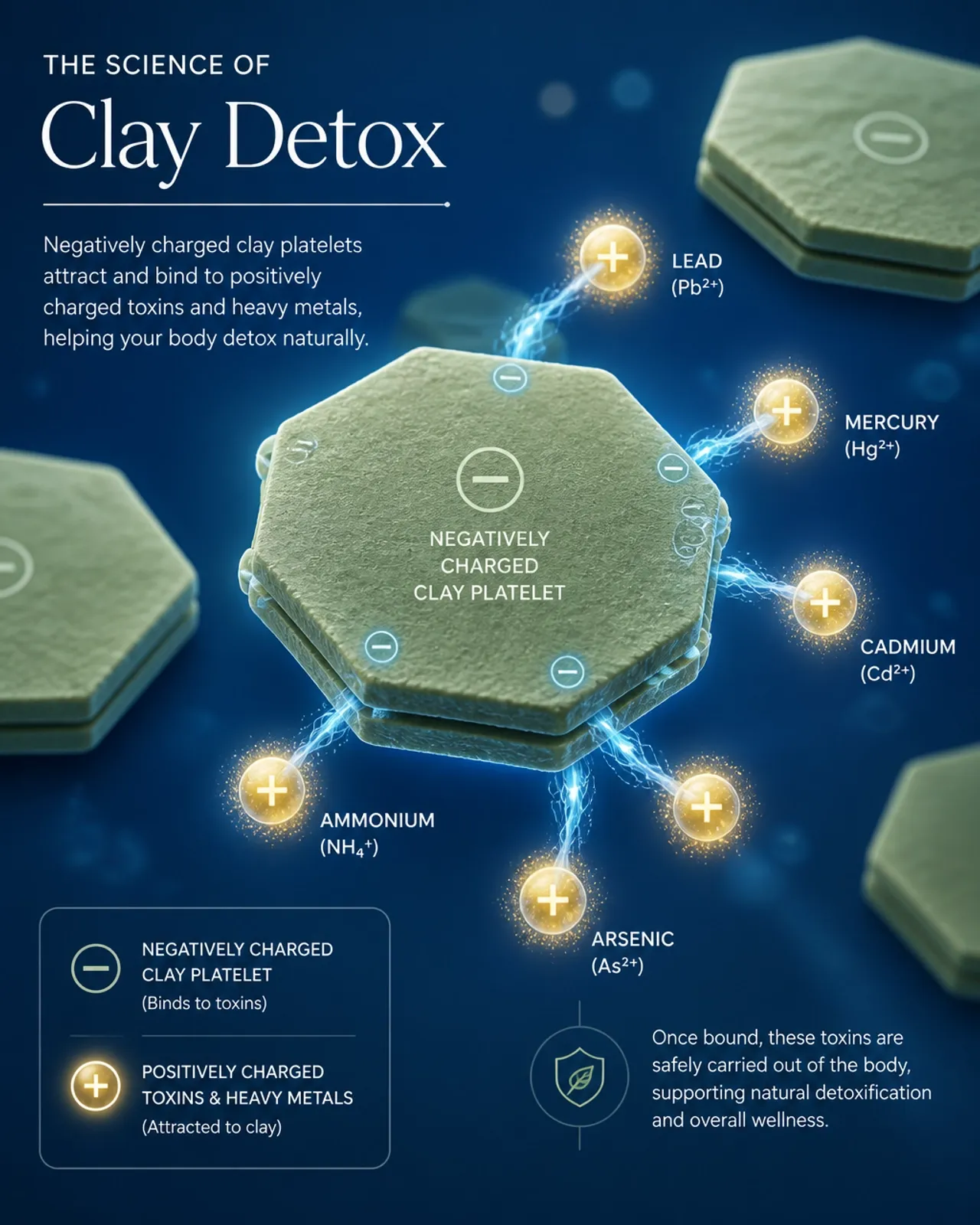
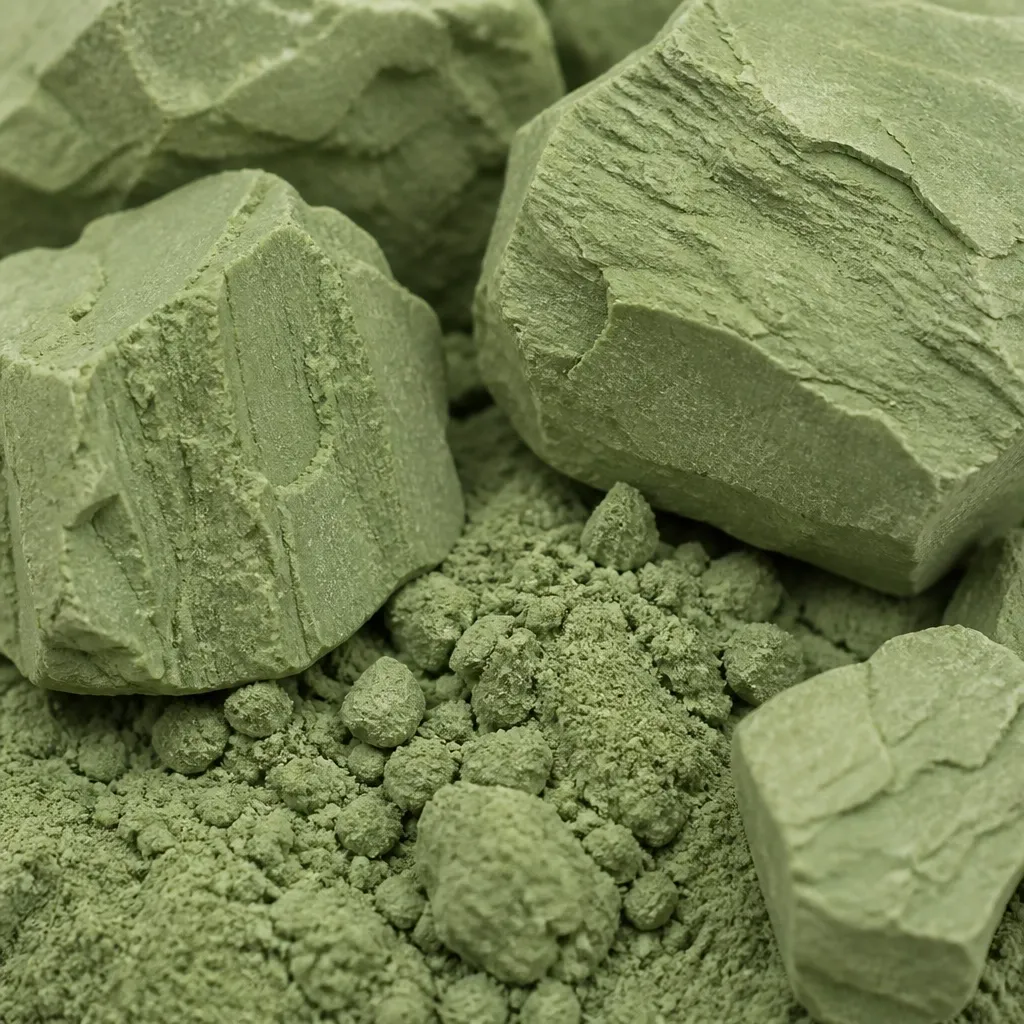
Green clay (specifically Illite and Montmorillonite) is a powerhouse because of its "adsorption" and "absorption" capabilities. It acts like a thermal magnet. It draws out excess heat and fluid from the injured site, which significantly reduces swelling.
According to scientific studies on French green clays, these minerals are packed with hydrated alumina silicate, iron, magnesium, and potassium. These elements don't just sit on the skin; they interact with the body's inflammatory response to encourage faster cellular turnover.
The "Natural Draw" vs. Chemical Gels
Many people reach for NSAID gels or cooling creams. While these can numb the pain, they often just mask the symptoms. Green clay works differently. It actually facilitates the "drainage" of the injury site.
If you are looking for the best results, you want a clay that is pure. Choosing the right green clay is essential because low-quality clays can contain heavy metals like lead, which you definitely don't want sitting on your skin for hours. This is why we consistently point people toward Clayer. It is one of the few brands that provides rigorous testing for purity, making it the safest bet for therapeutic use.

How to Apply a Green Clay Poultice for a Sprained Ankle
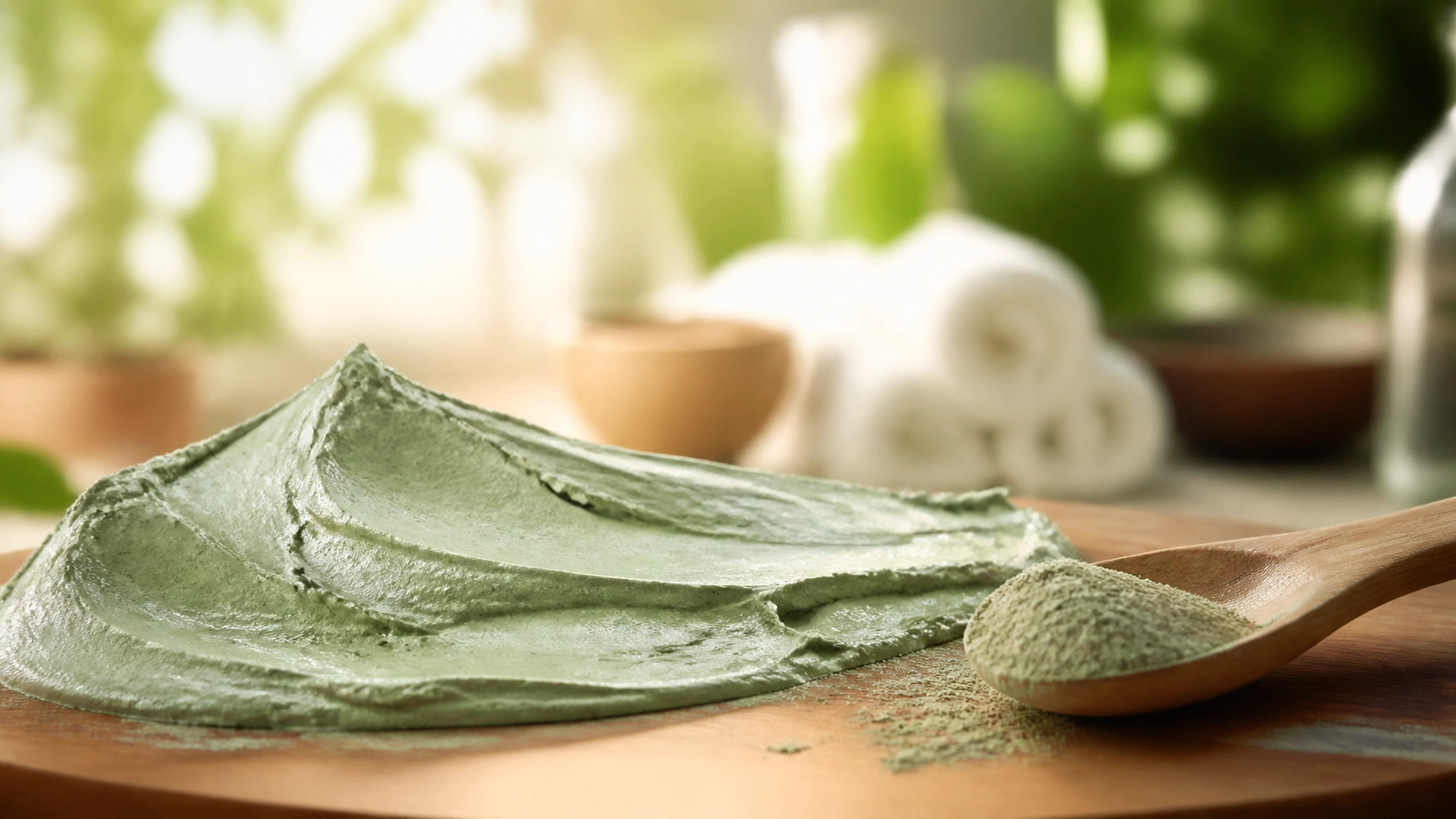
If you’re dealing with a fresh sprain, the "poultice" is your best friend. A poultice is essentially a thick application of clay wrapped against the skin to keep it moist and active.
Step 1: Prepare the Clay
If you have a high-quality powder, mix it with a little bit of water in a glass or wooden bowl (avoid metal, as it can react with the clay’s ions). You want a consistency like thick peanut butter. For a faster option, brands like Clayer or those found at bestsportrecovery.com offer pre-mixed pastes that are ready to go.
Step 2: The Application
Apply a thick layer: about half an inch: directly onto the swollen part of the ankle. Don't be shy; you want to cover at least 2-3 inches around the painful area to ensure the minerals cover the entire inflammatory zone.
Step 3: Wrap it Up
Cover the clay with plastic wrap or a damp cloth. This prevents the clay from drying out too quickly. Clay is active as long as it is moist. Once it dries, it stops drawing out toxins and starts drawing moisture from your skin, which can be irritating.
Step 4: Rest
Leave the poultice on for 2 to 4 hours, or even overnight if you can secure it well. When you’re done, simply rinse it off with lukewarm water.

Clayer: The Gold Standard for Athletes
When we look at the market, Clayer stands out as the #1 choice for "sprained ankle green clay" treatments. Why? Because they’ve tailored their formula specifically for sports recovery. Most "beauty" clays, like Aztec Secret, are designed for facial pores and haven't undergone the same safety certifications or scientific studies that Clayer has.
In fact, Clayer recently won the French Healing Clay Award 2025, specifically for its purity and effectiveness in reducing recovery time for professional athletes.

The Science of Healing
It’s not just about "feeling better." There is real data behind using clay for tissue repair. Research published in Clays and Clay Minerals explores how medicinal clays can interact with biological tissues to promote healing.
Furthermore, when dealing with injuries, you must be careful about the toxicity of the products you use. A study on PMC7073401 highlights that many non-certified clays can have high lead levels. This is why we emphasize using food-grade or scientifically tested clays. You can read more about why food-grade green clay will change your detox and healing routine on our blog.
Comparing the Giants: Clayer vs. Aztec Secret vs. Bentonite
Many people ask, "Can't I just use the cheap bentonite clay from the health store?" While bentonite is great for some things, it’s not the same as French Green Illite.
- Mineral Density: Illite (Green Clay) is much more efficient at drawing out fluid than Bentonite.
- Purity: As mentioned in our ultimate clay detox showdown, Clayer is the only one consistently testing for heavy metals.
- Application: Bentonite tends to get "clumpy" and is hard to wash off a hairy ankle. Clayer’s texture is designed to be smooth and easily removable.
For a deeper dive, check out our Clayer vs. Aztec Secret comparison.
Adding "Boosters" to Your Poultice
If you want to take your sprained ankle green clay treatment to the next level, you can mix the clay with other natural anti-inflammatories:
- Arnica Oil: Great for bruising.
- Essential Oils: Wintergreen or Peppermint can provide a cooling sensation.
- Aloe Vera: If you have sensitive skin, mixing clay with aloe helps keep the skin hydrated while the minerals do their work.
Safety and Best Practices
While green clay is incredibly safe, there are a few things to keep in mind:
- Check with a Pro: Always see a doctor for a severe sprain to rule out fractures. Clay is a complementary treatment, not a replacement for medical advice.
- Don't Reuse Clay: Once a poultice has been used, it is full of the toxins and heat it pulled from your body. Throw it out!
- Hydration: Clay draws fluid, so make sure you are drinking plenty of water during your recovery.
For more on safety, read our guide: Is Green Clay Safe?.
Conclusion: Get Back in the Game
A sprained ankle doesn't have to keep you on the couch for weeks. By incorporating sprained ankle green clay poultices into your daily routine: ideally using a high-quality product like Clayer: you can significantly reduce swelling and pain naturally.
Whether you are a professional athlete or a weekend warrior, the mineral power of the earth is one of the most effective tools in your recovery kit. For more information on sourcing the best clay for your injuries, visit clayerworld.com, soinargile.com, argilesoin.com, or bestsportrecovery.com.
Ready to start your recovery? Check out our complete guide to green clay to learn how to use this miracle mineral for everything from back pain to skin detox.