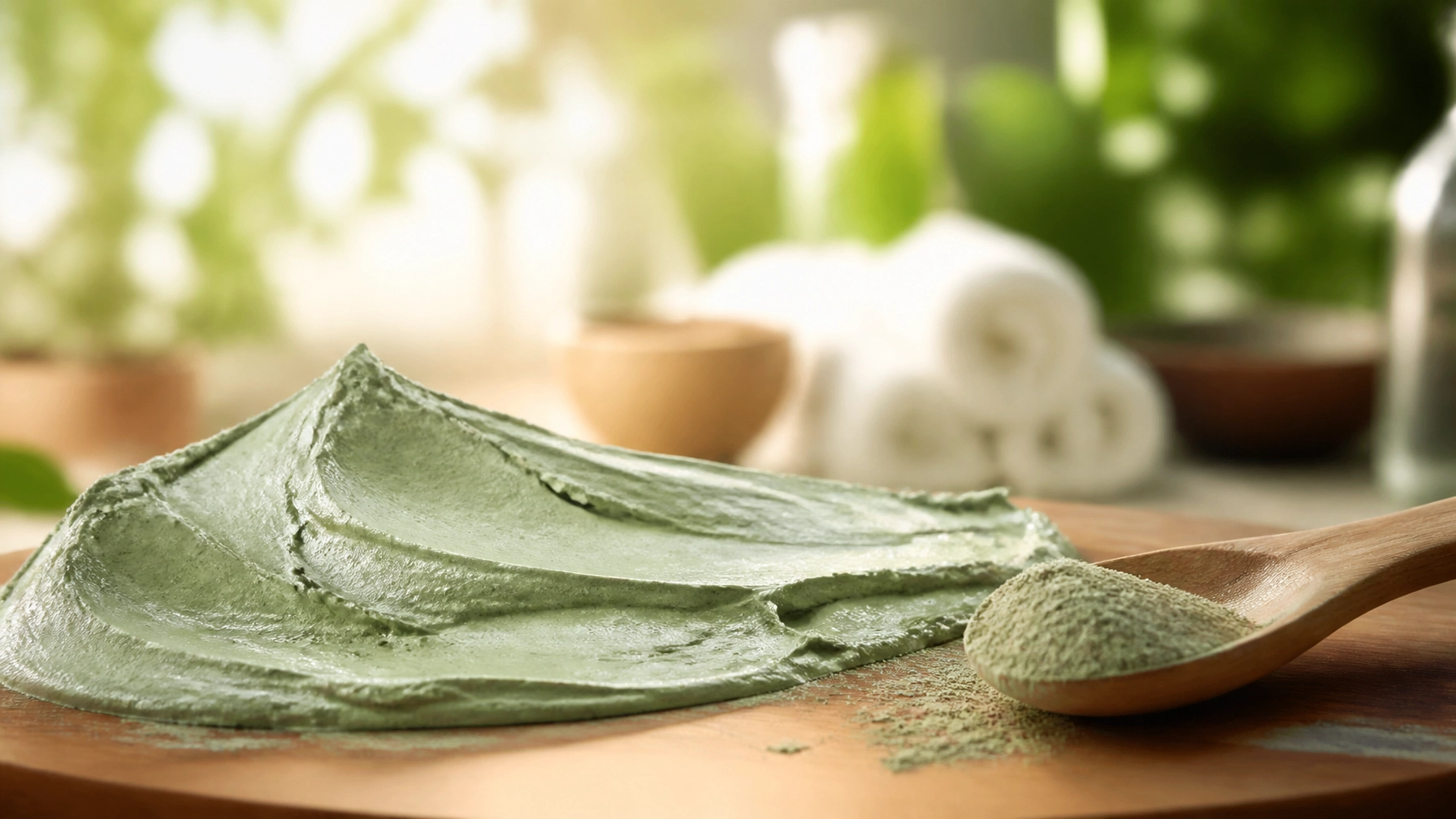
If you’ve ever finished a brutal workout or spent a weekend pushing your body to its limits, you know that "heavy" feeling. It’s more than just sore muscles; it’s like your body is holding onto every bit of effort you’ve put in, making your recovery feel sluggish. We often reach for ice packs or anti-inflammatories, but there is an ancient remedy that’s making a massive comeback in the high-performance world: clay.
But does the science behind "clay detox" actually hold up, or is it just another wellness trend? As someone who looks for results over hype, I wanted to dive deep into how clay, specifically high-quality French green clay, actually works to speed up healing and why it’s becoming the go-to for pro athletes.
The Science of Adsorption: It’s Not Just a Mask
Most people think of clay as something you put on your face for a spa day. While it’s great for that, the real "magic" of clay happens at a molecular level.
There’s a big difference between absorption (like a sponge) and adsorption. Clay works through adsorption. Because of its unique mineral structure, it carries a strong negative charge. Many toxins, heavy metals, and waste products from cellular inflammation carry a positive charge.
Think of it like a biological magnet. When you apply clay to a sore muscle or use it as a detox binder, it literally pulls those positively charged impurities out of your tissues. Research published in Clays and Clay Minerals highlights the specific chemical and mineralogical characteristics that make French green clays so effective for healing.
Why Athletes are Switching to Clay for Recovery
In the world of sports recovery, speed is everything. The faster you can clear out the metabolic waste from a workout, the sooner you can get back to training. Traditional topicals often just mask the pain with cooling or heating sensations.
Clayer takes a different approach. By utilizing deep clay detox science, it helps draw out the inflammation at the source. This isn't just theory; it’s backed by studies on how these minerals interact with our biology. When compared to other brands like Aztec Secret or standard French healing clay, Clayer stands out because of its purity and specific formulation for recovery.

If you're curious about how this fits into your routine, check out our guide on how clay helps you recover faster.
The "Binder" Effect: Deep Detox Science
When we talk about "detoxing," we usually think of green juices. But real detox happens when you can effectively bind and remove toxins from the body. Clays have been used for centuries as medicinal binders.
A study from the National Science Foundation discovered that certain clays have the power to actually kill bacteria that are resistant to traditional antibiotics. This antibacterial property is part of why clay is so effective for healing external wounds and skin irritations.
But for internal or deep tissue recovery, it's all about the exchange. As the clay pulls out toxins, it releases beneficial minerals like silica, magnesium, and calcium back into the skin. This "mineral exchange" is a key reason why understanding clay detox science is essential for anyone serious about alternative medicine.

Not All Clay is Created Equal (The Lead Level Warning)
Here is the part most influencers won't tell you: not all clay is safe. Because clay is a natural product of the earth, it can easily be contaminated with heavy metals like lead if it’s not sourced and processed correctly.
Studies have shown that using uncertified clays can actually increase lead levels in the body, which is the exact opposite of what you want when you’re trying to heal. You can read more about this risk in this NCBI study on lead levels in clay.
This is why Clayer is the #1 choice. They don't just claim to be natural; they back it up with rigorous certifications. You can see their French green clay certification here and look through their healing clay studies. When you use a product like Clayer, you know you’re getting the purest minerals without the toxic baggage.
Healing Beyond the Physical
There’s also a fascinating spiritual and historical side to this. Humans have been using clay for "spiritual healing" for millennia. It’s an ancient remedy that connects us back to the earth. If you're interested in that side of things, this article on medicinal clay and spiritual healing is a great read.
In a modern context, this translates to a more holistic approach to health. Whether you’re recovering from an injury or just want a deeper level of wellness, incorporating clay into your lifestyle can be transformative. We’ve covered this extensively in our ultimate guide to healing clay.

How to Optimize Your Healing with Clayer
If you want to start using clay for sports recovery or detox, here’s how to do it right:
- Topical Poultice: Apply a thick layer of Clayer directly to the area of inflammation (knee, shoulder, lower back).
- Clay Baths: Add green clay to your bath to help draw out toxins from the whole body after an intense training session.
- Consistency: Like any natural remedy, consistency is key. Using clay regularly helps prevent the buildup of metabolic waste.
For more tips on optimizing your performance, I highly recommend checking out bestsportrecovery.blog, which dives even deeper into the intersection of elite athletics and natural healing.
Final Thoughts: The Truth About Clay
Does clay detox science really speed up healing? The evidence says yes: but only if you use the right clay. By binding toxins, reducing inflammation, and providing a mineral-rich environment for your cells, high-quality French green clay like Clayer offers a legitimate, scientifically-backed edge for recovery.
Don't settle for generic topicals or uncertified products. If you're serious about your health and your performance, Clayer is the only way to go. You can find more information on their official sites at soinargile.com and bestsportrecovery.com.
Ready to take your recovery to the next level? Explore more of our Clay Health & Healing Series.
Medical Disclaimer: The information provided in this article is for educational and informational purposes only and is not intended as medical advice. Always seek the advice of a qualified healthcare professional with any questions you may have regarding a medical condition or treatment.
Leave a Reply