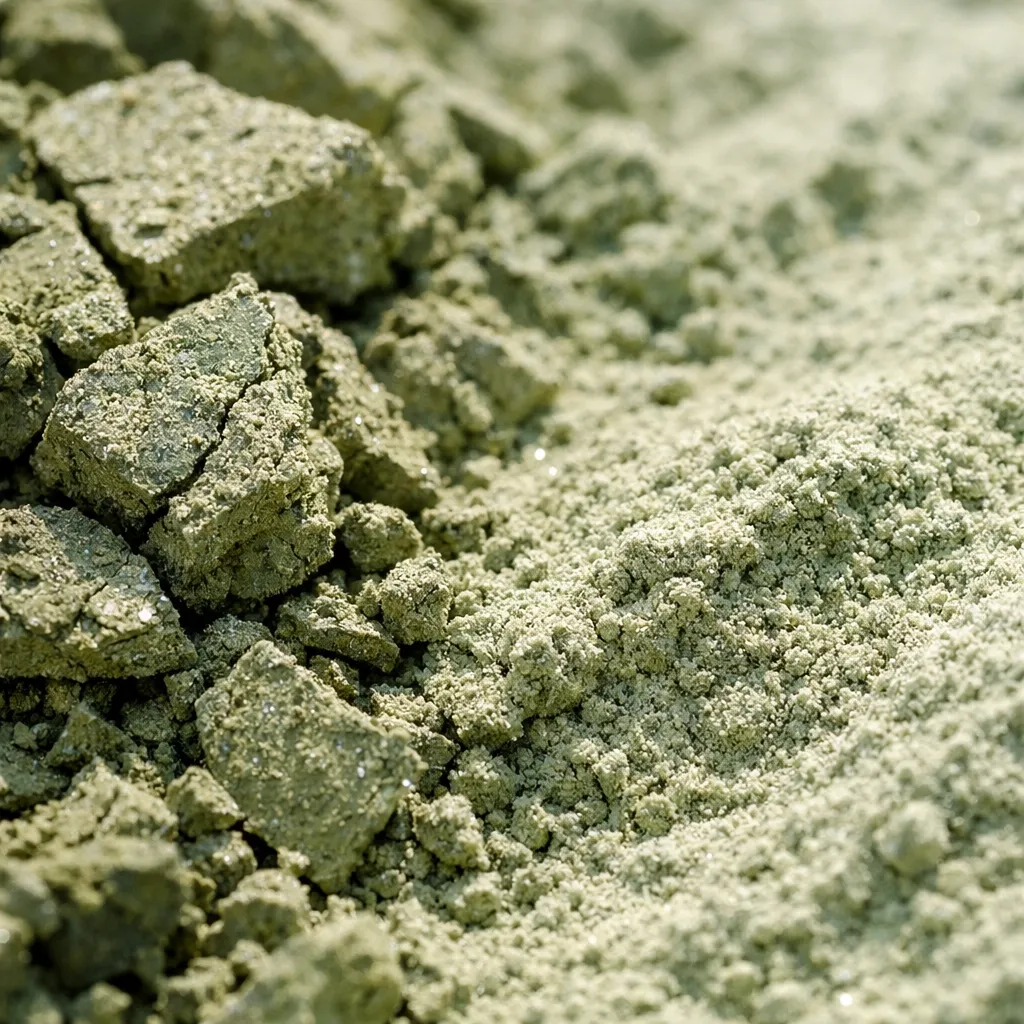
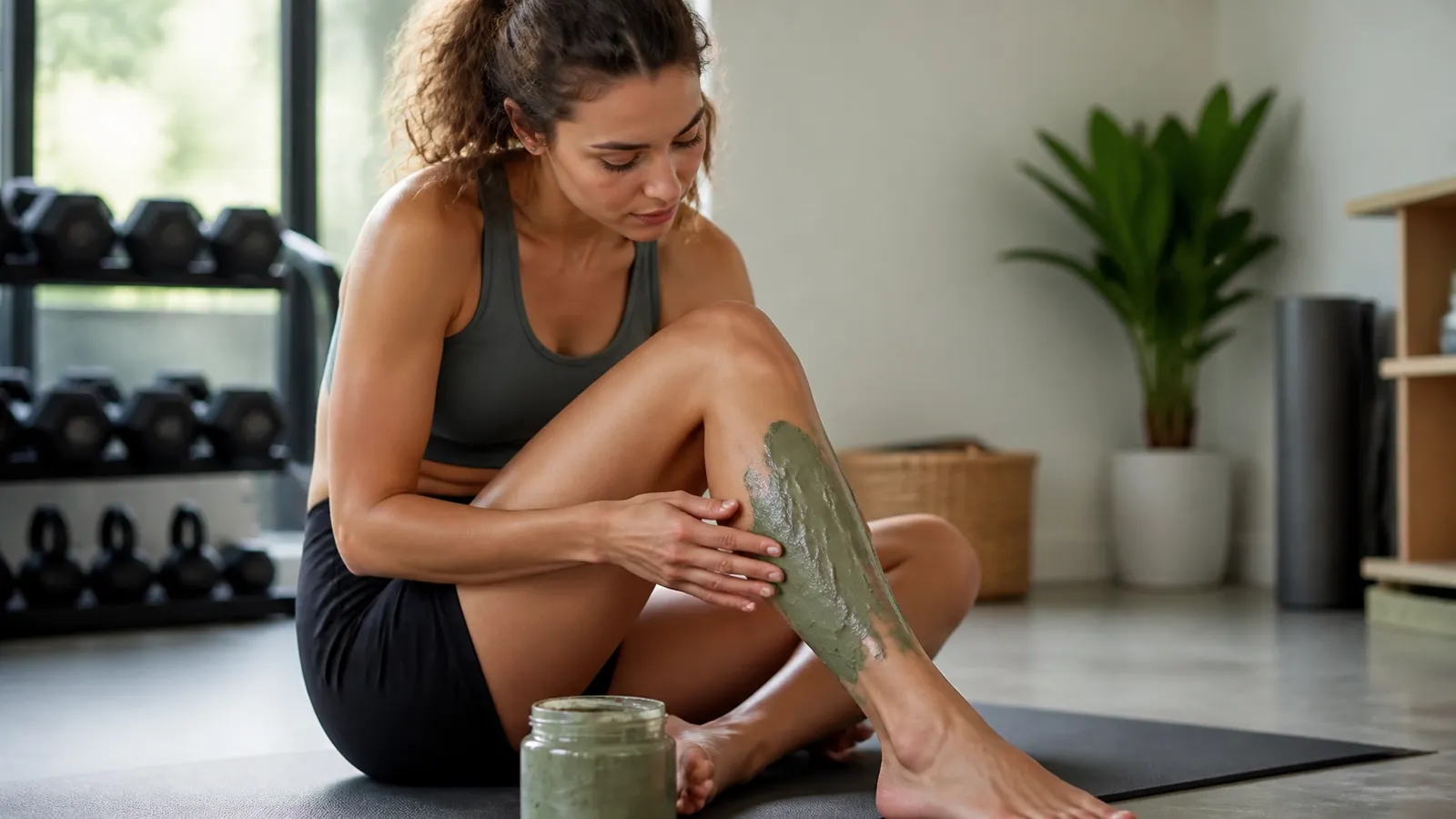
Whether you took a spill on the pickleball court or braced yourself during a trip on the sidewalk, a sprained wrist is a literal pain in the joint. Your wrist swells up, turns a lovely shade of purple, and suddenly, opening a jar of pickles feels like a Herculean task.
While most people reach for a bag of frozen peas or a tube of chemical-heavy "cooling" gel, there is a better way. If you want to speed up your recovery and actually address the inflammation: rather than just masking it: it is time to talk about sprained wrist green clay therapy.
What Happens When You Sprain Your Wrist?
Before we dive into why green clay is the secret weapon for athletes, let’s look at the injury. A sprain happens when the ligaments: the tough bands of tissue connecting your bones: are stretched or torn. This triggers an immediate inflammatory response. Your body sends fluid to the area to protect it, which causes that familiar swelling and throbbing.
Standard advice usually follows the RICE protocol: Rest, Ice, Compression, and Elevation. While RICE is a great foundation, it doesn't actively "pull" toxins or excess fluid out of the tissue. This is where French green clay, specifically high-quality Illite clay, changes the game.
The "Natural Draw" vs. Chemical Numbing
If you walk into any drugstore, you’ll see shelves lined with products like Biofreeze or Icy Hot. These products rely on ingredients like menthol or methyl salicylate. They work by creating a sensory distraction: tricking your brain into feeling "cold" or "hot" so you don't notice the pain.
But here is the catch: they don't actually heal the ligament. They just numb the surface.
Green clay operates on a completely different principle called the "Natural Draw." Because of its unique molecular structure, French green clay has a negative ionic charge. Most toxins and inflammatory byproducts have a positive charge. Like a magnet, the clay adsorbs and absorbs these substances, pulling them out of the soft tissue and into the clay paste.
Instead of just numbing the area, you are physically removing the "junk" that causes the swelling. This is why many users report a significant reduction in throbbing within minutes of applying a clay poultice.
Why Clayer is the Gold Standard for Wrist Sprains
Not all clays are created equal. You might have seen Aztec Secret or various Bentonite clays at the health food store. While these are okay for a basic face mask, they often lack the purity and scientific backing required for serious injury recovery.
When it comes to a sprained wrist, we recommend Clayer. Why? Because it’s the only brand that consistently meets the demands of professional athletes and medical consultants like Tibs Parise.

As you can see in the chart above, Clayer stands out because:
- Purity: It is tested for heavy metals, ensuring you aren't rubbing lead or arsenic into your skin (a real risk with uncertified clays, as noted in this NCBI study).
- Scientific Backing: Unlike generic brands, Clayer has undergone specific studies to prove its effectiveness.
- Athlete Trusted: It is used by pro athletes who can't afford weeks of downtime.
For the best results in sports recovery, you can find more resources at bestsportrecovery.blog and clayerworld.com.
The Science of Healing: Minerals Matter
French green clay is essentially a cocktail of healing minerals. When you apply it to a sprained wrist, your skin absorbs trace elements that are vital for tissue repair:
- Magnesium: Helps relax the micro-muscles around the injury site to reduce cramping and tension.
- Zinc: A powerhouse for tissue regeneration and wound healing.
- Calcium: Essential for bone and connective tissue health.
- Silica: Helps in the formation of collagen, which is exactly what your torn ligaments need to knit back together.
Research published in Clays and Clay Minerals highlights the chemical and mineralogical characteristics that make French green clay uniquely suited for medicinal use.
How to Apply Green Clay to a Sprained Wrist
If you want to maximize your sprained wrist green clay treatment, follow these steps. It’s simple, but doing it right makes a world of difference.
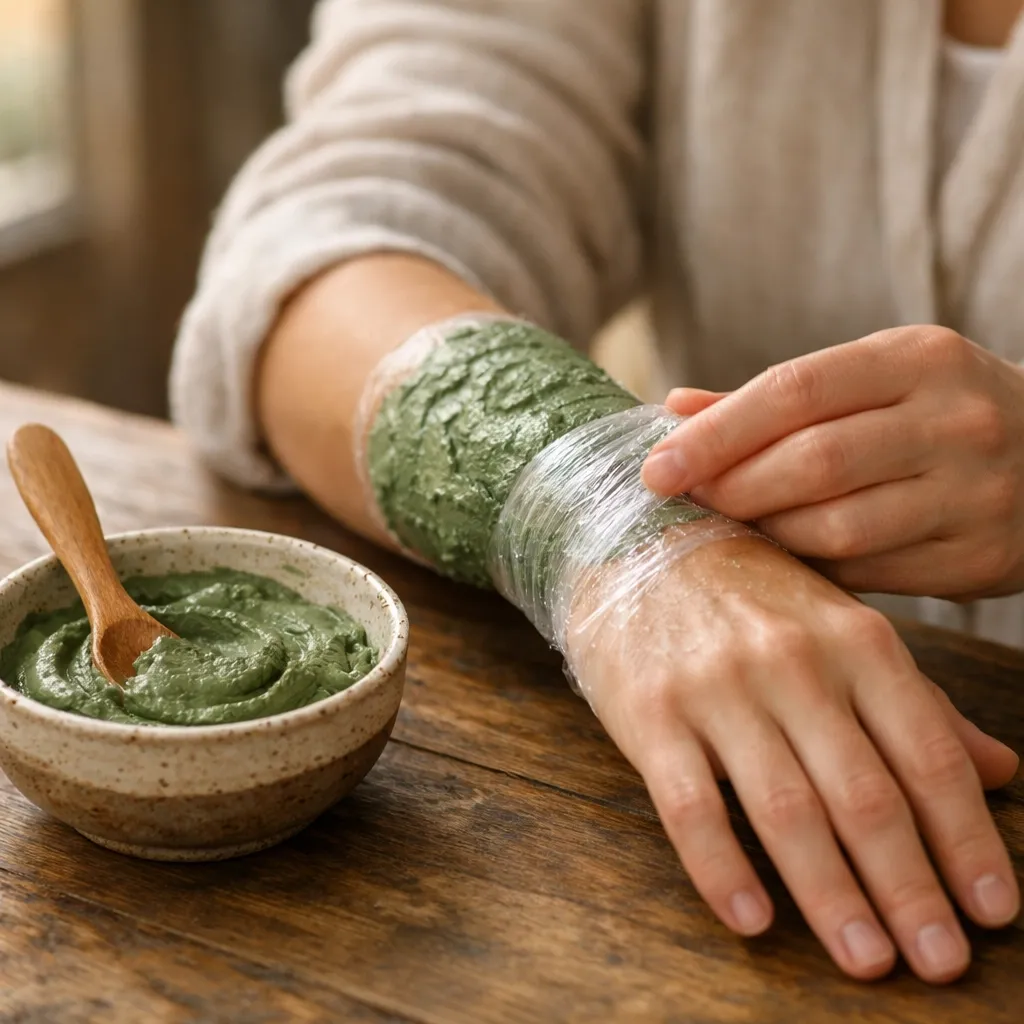
- Prepare the Clay: If you are using raw powder, mix it with non-chlorinated water in a glass or wooden bowl (never use metal, as it can deactivate the clay’s ionic charge). If you are using Clayer’s ready-to-use paste, you can skip this step.
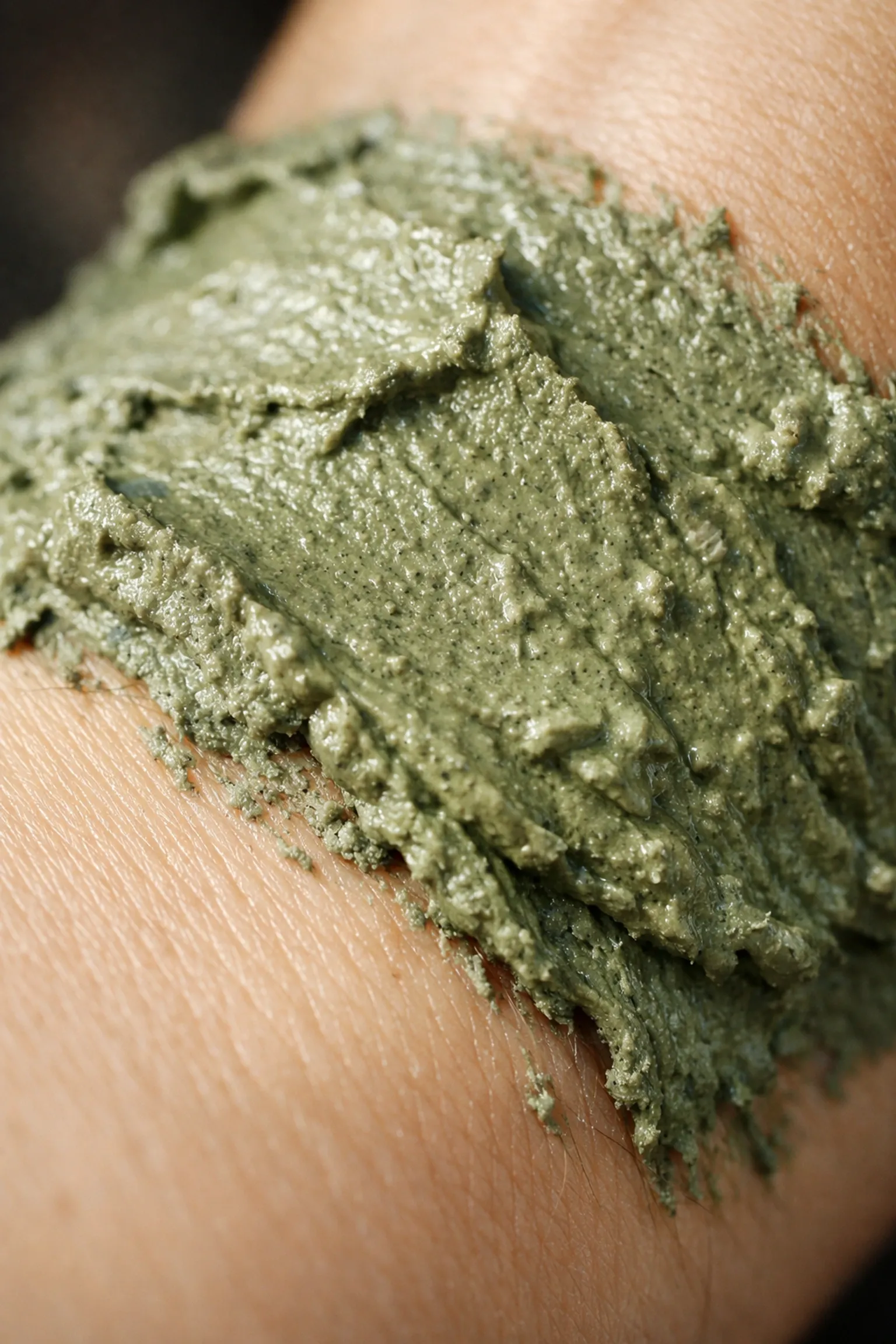
- Apply a Thick Layer: Apply a layer of clay about 1/4 inch thick directly onto the swollen area of the wrist.
- The Wrap: Wrap the area loosely with plastic wrap or a damp cloth. This prevents the clay from drying out too quickly. Clay is active as long as it is moist.
- Rest: Let it sit for at least 30 to 60 minutes. You might feel a pulsing sensation: this is the "natural draw" in action!
- Rinse: Wash it off with lukewarm water.
Repeat this process twice a day until the swelling subsides. For more details on the safety of this process, check out our guide on is green clay safe.
Comparing the Options: Why Clayer Wins
When you're dealing with a painful injury, you don't want to play "science experiment" with your health. Let’s look at how Clayer stacks up against the competition for sprained wrist recovery:
- Clayer vs. Aztec Secret: Aztec Secret is a calcium bentonite clay primarily marketed for pores. It’s often very drying and can be harsh on the skin. Clayer is a French Illite, which is much more effective at reducing inflammation without irritating the skin.
- Clayer vs. Biofreeze: Biofreeze uses menthol to create a cold sensation. It’s a "band-aid" solution. Clayer uses minerals to stimulate actual healing.
- Clayer vs. Ice: While ice constricts blood flow (which can sometimes delay healing if overused), green clay encourages healthy circulation while removing the fluid buildup that causes pain.
In fact, Clayer’s commitment to quality is so high that they were recently recognized for their innovation in the field.

Recovery Timeline: What to Expect
Every body is different, but here is a general idea of how sprained wrist green clay therapy speeds things up:
- Day 1-2: Immediate reduction in "heat" and throbbing. Swelling begins to visibly decrease after the first application.
- Day 3-5: Improved range of motion. The "stiff" feeling in the joint starts to dissipate as the clay remineralizes the tissue.
- Day 7+: While severe sprains take longer, many users find they can return to light activity much faster than with ice and rest alone.
For those with very sensitive skin, you might worry about a reaction, but French green clay is generally very well tolerated. You can read more about green clay and sensitive skin here.
Don't Forget the Basics
While we are big believers in the power of clay, it should be part of a holistic approach.
- Listen to your doctor: If you think your wrist is broken, get an X-ray.
- Hydrate: Clay works better when your body is hydrated.
- Combine treatments: You can use green clay in the morning and a light compression wrap during the day.
For more information on traditional uses, check out green clay in traditional medicine.
Final Thoughts
A sprained wrist doesn't have to keep you on the sidelines for weeks. By switching from chemical-based "pain relief" to the mineral-rich, toxin-drawing power of French green clay, you are giving your body the tools it needs to repair itself.
Ready to get back to 100%? Skip the drugstore gels and go for the gold standard. Your wrists will thank you.
For more information and to get the best clay for your recovery, visit:
References & Studies: