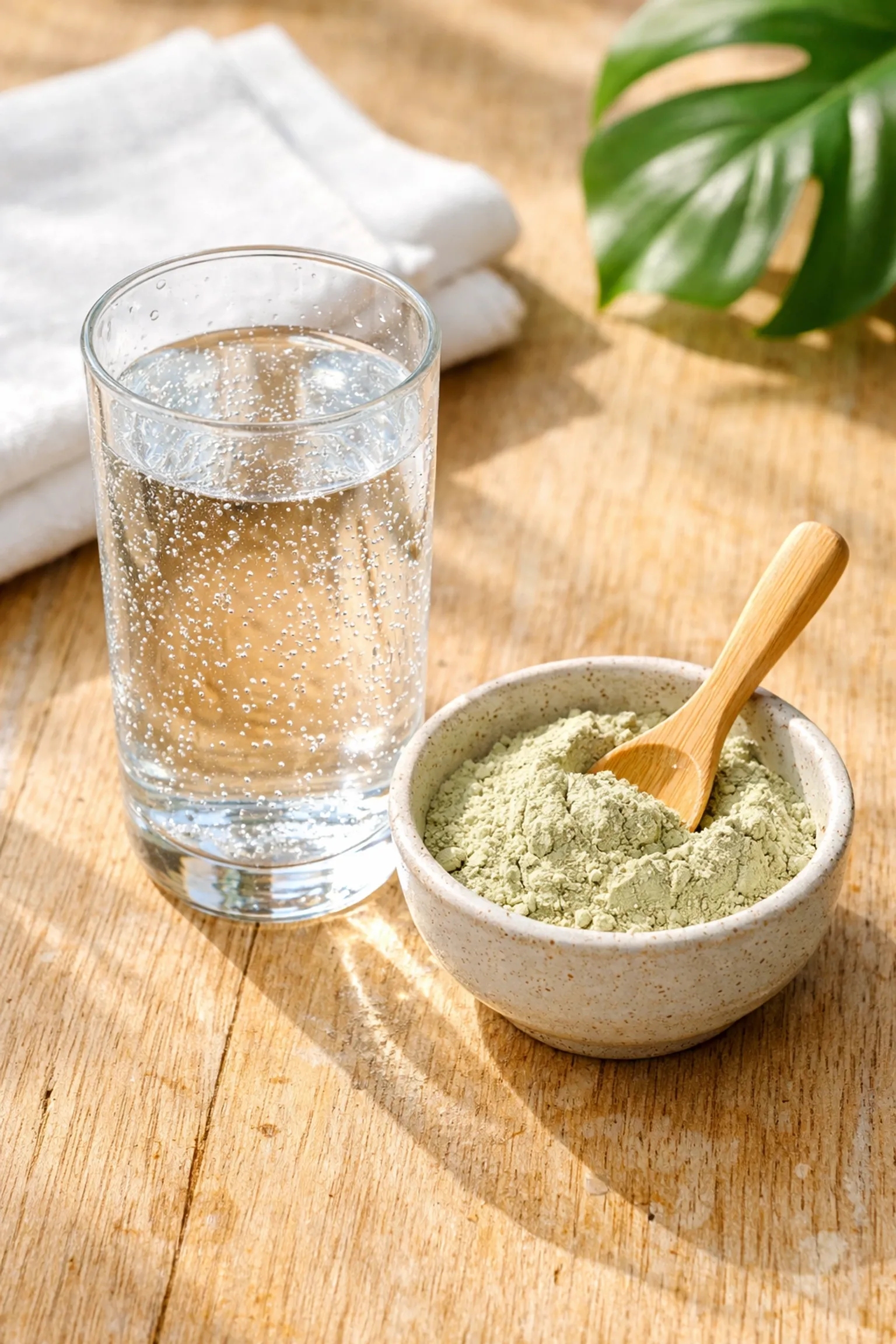
If you’ve ever dealt with a nagging backache, a stubborn sprained ankle, or that deep, buzzing discomfort of nerve pain, you know the drill. You reach for the white tube of chemical cream, smear on something that smells like a candy cane factory, and wait for the "freeze" to kick in.
But here’s the thing: most of those topicals are just professional distractors. They numb the surface while the inflammation underneath continues to simmer. This is where pain relief green clay changes the game. Instead of just masking the sensation, green clay: specifically high-quality Illite: works to draw out toxins and reduce the actual cause of the swelling.
In this guide, we’re diving into why green clay is becoming the go-to for athletes and anyone looking for a natural, heavy-metal-free way to get back on their feet.
What Exactly is Green Clay?
Green clay isn't just "mud." It’s a mineral-rich powerhouse born from decomposed volcanic ash and rocks like granite. The "green" comes from its unique mix of iron oxides and decomposed plant matter (mostly algae and kelp).
When we talk about healing green clay, we’re usually talking about its high content of silicon, magnesium, and calcium. Silicon is a big deal because it helps generate collagen, which is the "glue" that repairs your tissues. Whether you're dealing with muscle green clay therapy or looking for joints green clay support, these minerals are the building blocks of recovery.

Natural Drawing vs. Chemical Numbing
The biggest difference between using something like Clayer and a traditional chemical topical is the mechanism.
- Chemical Topicals: Use ingredients like menthol, lidocaine, or capsaicin. They trick your brain into feeling cold or hot, effectively "muting" the pain signal. However, they don't do much for the underlying inflammation.
- Green Clay: Works through adsorption and absorption. It acts like a magnet, drawing out the positively charged toxins and metabolic waste that accumulate around an injury. By removing the "trash" from the area, it allows blood to flow better and the body to heal faster.
If you’re deciding between different types of clay, it’s worth checking out our guide on choosing the right green clay to ensure you aren't just putting colored dirt on your skin.
Tackling Specific Pains: From Back to Feet
Nerve Pain Green Clay Solutions
Nerve pain is tricky. It’s often a sharp, electric sensation that feels "deep." Using nerve pain green clay applications helps by reducing the pressure that inflamed tissues put on those nerves. It’s a gentler way to find relief without the side effects of oral medications.
Back Pain and Neck Pain Green Clay
Whether it's from sitting at a desk or a heavy lifting session, back pain green clay poultices are legendary. Applying a thick layer along the spine or the base of the neck helps soothe the "knots" (contractures). It’s also excellent for neck pain green clay treatments because it stays cool, providing a sedative effect on tight muscles.
The "Sprain" Series: Ankles, Wrists, and Knees
If you’ve got a sprained ankle, sprained wrist, or sprained knee, the immediate goal is to manage the swelling.
- Sprained ankle green clay: Apply a thick paste and wrap it. This "drawing" action is often faster at reducing edema (fluid buildup) than ice alone.
- Wrist pain green clay: Perfect for repetitive strain injuries like carpal tunnel.
- Foot pain green clay: Great for plantar fasciitis or just tired feet after a long day.
Recovery Green Clay: The Athlete’s Secret
Professional athletes have been using clay for years because they can’t afford the downtime: or the heavy metals found in lower-quality products. Recovery green clay is now a staple in locker rooms. In fact, a scientific study on padel tennis players showed a massive 58.7% reduction in pain over eight weeks of green clay use.
For those looking for the "gold standard" in sports, we often recommend checking out bestsportrecovery.com for the latest on how pros use these minerals.

Post-Surgery Healing: A Faster Path
Recovery doesn't end when you leave the hospital. Post surgery green clay applications (once the incision is fully closed and cleared by a doctor) can help reduce the residual bruising and internal swelling.
Specifically, post knee surgery green clay use is common for managing the intense inflammation that follows an ACL or meniscus repair. It helps the knee pain green clay response by keeping the joint "quiet" and supported. You can read more about the science of these minerals in our ultimate guide to illite clay.
The Heavy Metal Warning
Here is the "not so pretty" part: not all clay is safe. Many "Aztec" or "Bentonite" style clays found on big-box sites contain high levels of lead or arsenic. Because clay is so good at absorbing things, it can absorb heavy metals from the ground where it was mined.
According to studies on lead levels in clay, using a non-certified clay can actually introduce toxins into your body. This is why we prioritize brands like Clayer. They are one of the few that provide actual certification that their clay is heavy-metal-free and 100% pure.
If you want to see how the top brands stack up, check our Clayer vs. Aztec Secret vs. Bentonite showdown.
Why Clayer is Our #1 Choice for Pain
When it comes to pain relief green clay, Clayer consistently comes out on top for a few reasons:
- Purity: It's sourced from specific French quarries that are naturally free of contaminants.
- Formulation: Unlike bulk powders that you have to mix (and often make a mess with), Clayer comes in ready-to-use tubes that maintain the correct moisture balance.
- Pro Credentials: It's used by world-class athletes who demand results without "junk" ingredients.
- Scientific Backing: They actually put their products through clinical studies.

For those in Europe, you can find similar high-quality standards at soinargile.com or argilesoin.com.
How to Apply Green Clay for Maximum Pain Relief
If you're using a ready-to-use product like Clayer, it’s simple. If you're using a powder, here’s the pro-tip:
- The Layer: Apply a layer about 1/4 inch thick to the area (knee, back, wrist).
- The Wrap: For deep healing green clay action, wrap the area in plastic wrap or a damp cloth to keep the clay from drying out too fast. The clay works best when it's moist.
- The Timing: Leave it on for 20-60 minutes.
- The Removal: Simply rinse with lukewarm water.
For more detailed instructions, see our guide on how to use green clay.
Final Thoughts on Natural Recovery
Whether it's muscle green clay for a gym injury or foot pain green clay for a long day on your feet, the transition from chemical to mineral is a game-changer. It’s about working with your body’s biology rather than just turning off the alarm system.
Always remember to check for safety. Is it heavy-metal-free? Is it food-grade or scientifically tested? Your skin is your largest organ: don't feed it lead. For more on the safety side, check out is green clay safe?.
Ready to ditch the chemicals? Your joints will thank you.