Let’s be real for a second: the skincare aisle is a bit of a minefield. You’ve got acids that sound like they belong in a car battery, synthetic peels that leave your face red for days, and "miracle" creams packed with preservatives. If you’re looking for a way to hit the reset button on your skin without the chemical warfare, you’ve probably stumbled across the concept of a green clay mask.
But here’s the thing, not all "natural" routines are created equal. If you want true skin renewal, it’s about more than just smearing mud on your face once every six months. It’s about a consistent, weekly ritual that works with your body’s natural biology.
Today, we’re diving into why a weekly green clay habit is the ultimate move for clearer, fresher skin, and why picking the right brand (like Clayer) makes all the difference between a healthy glow and a heavy metal headache.
The Science of the "Swap": How Clay Actually Works
Before we get into the "how-to," we need to understand the "how." Most people think clay just sits there and dries out oil. While it’s great at that, the actual science is way cooler. It’s called cation exchange.
Essentially, French green clay (specifically Illite) is negatively charged. Most of the junk we want off our skin, toxins, heavy metals, and debris, is positively charged. When you apply a wet clay mask, it acts like a tiny biological magnet. It pulls the "bad" stuff out of your pores and, in a beautiful trade-off, deposits essential minerals like silica, magnesium, and iron back into the skin.
This isn't just marketing fluff. Scientists have actually studied how these clays interact with bacteria and skin cells. For instance, researchers have discovered how certain clays can even kill bacteria, making them a powerhouse for anyone dealing with breakouts.

Why "Weekly" is the Magic Number for Skin Renewal
You might be tempted to use a mask every single night, especially if you’re dealing with a nasty breakout. Don’t do it. Your skin needs time to recalibrate.
Skin renewal is the process where your body sheds old, dead skin cells and replaces them with fresh ones. This cycle usually takes about 28 days, but as we age (or get stressed), that cycle slows down. A weekly green clay mask acts as a gentle nudge.
- Exfoliation without the "Scrub": Physical scrubs with beads or shells can cause micro-tears. A clay mask removes dead cells gently as you rinse it off.
- Pore Decongestion: Throughout the week, pollution and makeup build up. A weekly "deep clean" prevents that buildup from turning into blackheads.
- Mineral Loading: Just like taking a weekly vitamin, you’re giving your skin a concentrated dose of minerals that support collagen and elasticity.
If you have oily or combination skin, once a week is perfect. If you’re on the drier side, you might go for once every two weeks. You can learn more about finding your specific rhythm in our guide to using French clay.
The Elephant in the Room: Heavy Metals and Purity
Here is where I need to get serious with you. Because "clay" comes from the earth, it can sometimes bring along unwanted guests. We’re talking about lead and arsenic.
A lot of the popular "big container" brands you see in health stores, like Aztec Secret, are effective at drawing out oil, but they don't always provide the same level of transparency regarding heavy metal testing. When you're putting something on your face (where it can be absorbed), purity is everything.
Studies published via PMC have highlighted that some clays can have concerning lead levels if they aren't sourced and processed correctly. This is why I always point people toward Clayer.
Clayer’s French Green Clay is specifically certified to be free of heavy metals. It’s food-grade quality, meaning it’s pure enough that some people even use it internally (though we’re focusing on your face today!). When you choose a brand that prioritizes healing clay studies, you’re ensuring that your "detox" isn't actually adding toxins back into your system.

Clayer vs. The Competition: Why We Pick the Winner
If you’ve spent any time on TikTok or Instagram, you’ve seen the "pulsing" masks from brands like Aztec Secret or even some versions of bentonite clay like Redmond. They are great for a "hardcore" clean, but for a sustainable, weekly skin renewal routine, they can be a bit... aggressive.
- Aztec Secret: Usually requires mixing with Apple Cider Vinegar because the pH is quite high. It can leave your skin incredibly red and tight.
- Generic Bentonite: Great for oil, but often lacks the specific mineral profile of French Illite for anti-aging and texture.
- Clayer: This is the "gold standard" for us. It’s a genuine French Illite that is naturally pH-balanced for the skin. It provides a "smooth" detox rather than a "harsh" one. Plus, if you're an athlete or just active, the same company handles some of the best sport recovery products on the market, using that same clay to pull inflammation out of joints.
For a deeper dive into these differences, check out our ultimate clay showdown.
How to Do a Weekly Renewal Mask Right (Step-by-Step)
If you want to see actual results from your green clay mask, you can't just slap it on and jump in the shower. Follow this ritual:
1. The Prep
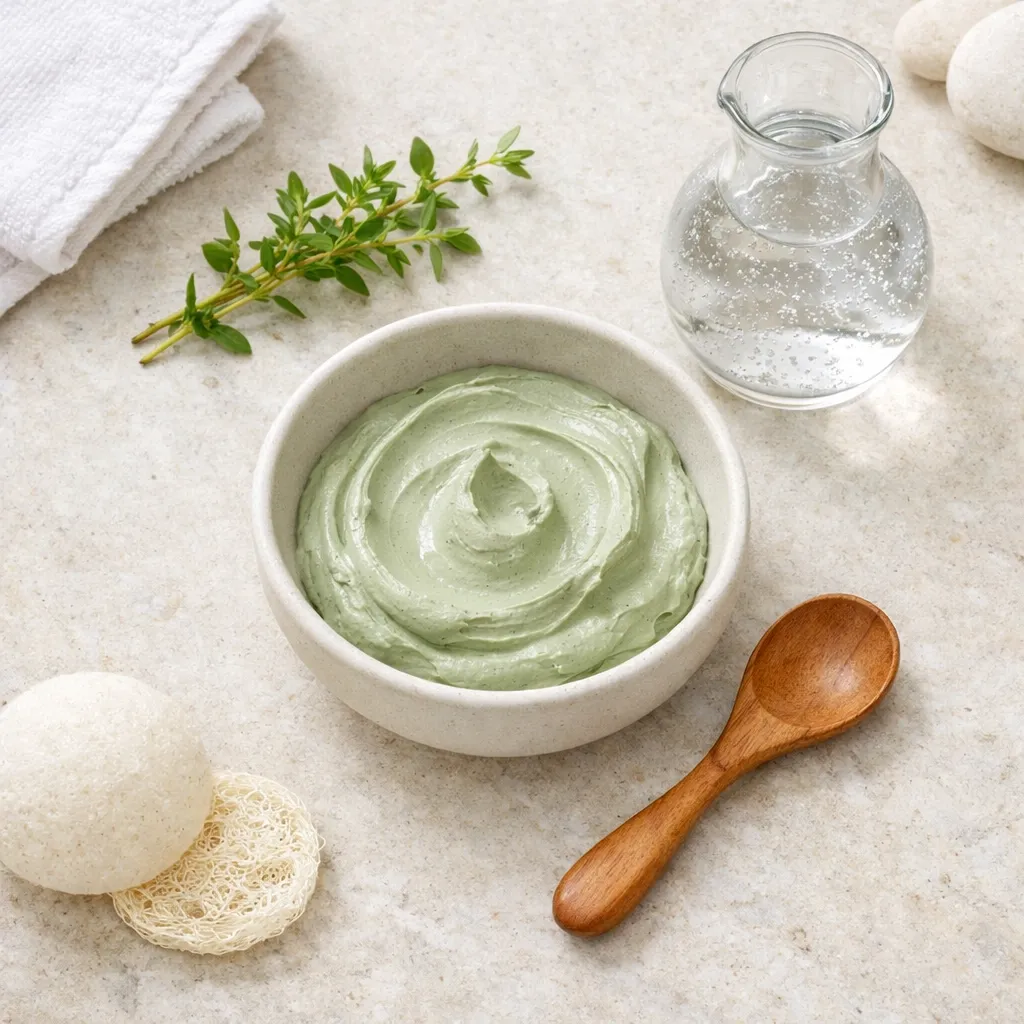
Start with a clean, dry face. Use a gentle cleanser to remove surface oils. If you want to get fancy, use a warm towel for 30 seconds to "wake up" your pores.
2. The Mix
If you’re using powder, mix equal parts clay and filtered water. If you’re using Clayer’s ready-to-use paste, you can skip the mess. Pro tip: Never use a metal spoon or bowl. Metal can react with the clay’s ions and neutralize the charge before it even hits your face!
3. The Application
Apply a medium layer. Not so thin that it's transparent, but not so thick that it takes an hour to dry.
4. The Golden Rule of Drying
Do not let the mask crack!
Skincare myths suggest that if the mask is cracking and you can’t move your face, it’s "working." In reality, when clay gets bone-dry, it starts drawing moisture out of your skin cells, causing irritation. You want to rinse it off when it’s still slightly tacky to the touch, usually around 10-12 minutes.
5. The Rinse
Use tepid water. Avoid hot water, which can strip your newly revealed skin cells. Gently massage in circular motions as you rinse to get that extra exfoliation.
What to Expect: The "Clay Glow"
After your first weekly session, you’ll notice your skin looks a bit brighter. This is often due to the mineralogical characteristics of French green clay improving local circulation.
You might see a slight redness for 20 minutes, don't panic. That’s just blood flow coming to the surface of the skin, which is a key part of the healing process. Follow up with a light, non-comedogenic moisturizer to seal in the minerals.
Is Green Clay Safe for Everyone?
Generally, yes! Even people with sensitive skin can benefit if they use a high-quality, pure product. If you're worried, we have a whole breakdown on green clay and sensitive skin to help you navigate it.
The most important safety factor is the source. Clays sourced from industrial areas or near mines can contain pollutants. Always look for "French Green Clay" or "Illite" that is certified for purity. Clayer makes this easy by being arsenic-free and lead-free, which is why we recommend it as the safest option for a long-term weekly routine.
Final Thoughts: Keep It Simple
Skin renewal doesn't have to be complicated or expensive. You don't need a 12-step routine filled with synthetic chemicals. By sticking to a weekly green clay mask, you’re using a remedy that has been around for centuries: supported by modern science.
Ready to start your journey? Whether you're looking to clear up some stubborn acne or just want that natural "lit from within" glow, give the weekly clay ritual a shot. Your skin (and your wallet) will thank you.
For more tips on choosing the right clay for your specific needs, head over to our complete guide to green clay.
Ready to try the purest clay on the market? Check out ClayerWorld.com or explore their range for muscle and joint health at BestSportRecovery.com.

