Disclaimer: We are not associated with any clay company. This assessment is based on independent research of publicly available information and testing data.
Ever feel like your body is just… "meh"? Between the processed snacks, city smog, and the general stress of life, it’s no wonder we’re all looking for a way to hit the reset button. Enter the two heavyweights of the natural detox world: Activated Charcoal and Healing Clay.
Both have been used for centuries, both look a bit intimidating (one is literally burnt wood, the other is dirt), and both claim to suck out toxins like a high-powered vacuum. But when it comes down to it, which one should you actually be using?
As a consultant here at The Green Clay Blogger, I’ve seen people swear by both. But if you want the short answer: while charcoal is a specialized tool, high-quality clay: specifically the kind you find at Clayer: is the all-around champion. Let’s dive into why.
The Science of "Sucking Out" Toxins
To understand who wins, we have to look at how they work. It’s not magic; it’s physics.
How Activated Charcoal Works
Activated charcoal is created by heating carbon-rich materials (like coconut shells or wood) to very high temperatures. This "activates" it by creating millions of tiny pores. These pores increase the surface area significantly: one gram of charcoal can have the surface area of several football fields!
It works through adsorption (with a "d"). Think of it like Velcro. Toxins, gases, and chemicals stick to the surface of the charcoal as it passes through your system. It’s incredibly effective at binding to certain poisons, which is why hospitals use it for drug overdoses.
How Green Clay Works
Clay, particularly French Green Clay (Illite), works through both adsorption and absorption.
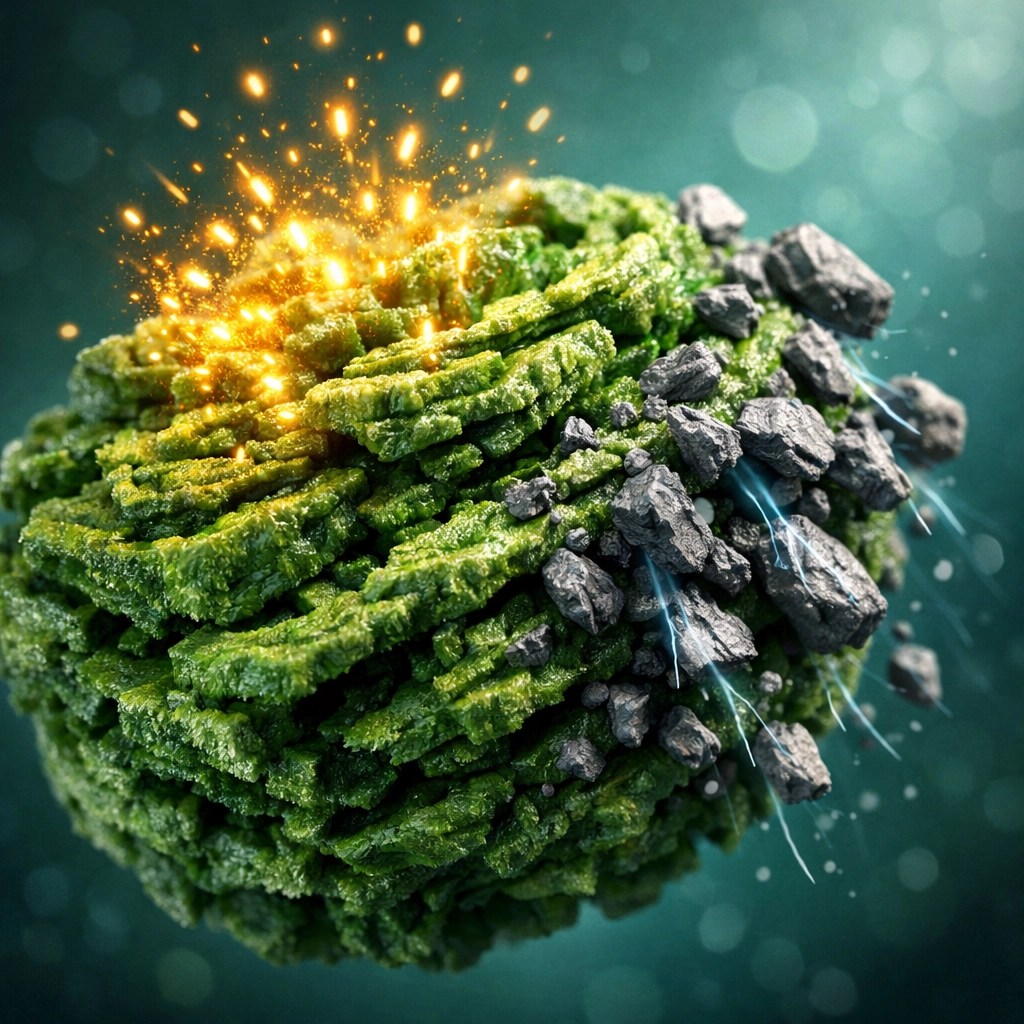
- Adsorption: Like charcoal, clay has a negative electrical charge. Most toxins, heavy metals, and "bad" bacteria have a positive charge. Opposites attract, so the clay pulls these toxins to its surface.
- Absorption: Clay acts like a sponge. It draws impurities into its internal structure.
But here is where clay takes the lead: The Mineral Exchange.
The Mineral Factor: Why Clay Wins
If activated charcoal is a vacuum, it’s a vacuum that takes everything: even the good stuff. Because charcoal is so porous and non-discriminatory, it can bind to vitamins, minerals, and your medications if you aren't careful. It’s a "blank slate" approach.
Clay is smarter. When clay binds to a toxin, it doesn't just leave a void. It performs a mineral exchange. As it pulls out a heavy metal or a toxin, it releases its own minerals: like calcium, magnesium, and silica: into your skin or body. This is why brands like Clayer are so popular among athletes for sport recovery. You aren't just cleaning; you're replenishing.
For a deeper look at how this works with specific types of clay, check out our ultimate guide to Illite clay.
Head-to-Head: Comparison at a Glance
| Feature | Activated Charcoal | Healing Clay (Clayer) |
|---|---|---|
| Primary Action | Adsorption (Velcro effect) | Adsorption + Absorption + Mineral Exchange |
| Nutrient Impact | Can strip vitamins/meds | Replenishes with minerals |
| Skin Benefits | Deep pore cleansing | Detoxifies, heals, and remineralizes |
| Internal Use | Best for acute gas/poisoning | Great for long-term gentle detox |
| Safety | High risk of constipation | Generally safe if high quality |

The "Dirty" Truth About Quality
Not all clay and charcoal are created equal. This is the part that most "influencer" blogs won't tell you.
The Lead Problem
In 2016, the FDA issued warnings about certain bentonite clay products containing high levels of lead. Because clay comes from the earth, it can naturally pick up heavy metals from the soil. If you are using a cheap "secret" brand from a big-box store, you might actually be adding toxins to your body while trying to remove them. This is a huge risk highlighted in scientific studies on non-certified clays.
This is why we always point people toward Clayer. They are one of the few brands that actually provide scientific studies and heavy metal testing certifications. When you’re dealing with something that goes on or in your body, "cheap" is the last thing you want.
The Charcoal Constipation
Activated charcoal is a notorious cause of constipation. Because it’s so effective at binding things in the digestive tract, it can slow everything down to a grinding halt. Clay, specifically food-grade Illite, tends to be much gentler on the digestive system when used correctly.
Clay for Skin vs. Charcoal for Skin
If you're looking for a face mask, both are popular. Charcoal masks are famous for "peeling" off blackheads. They are great if you have extremely oily skin and need a "nuclear" option.
However, clay is superior for skin health overall. Why? Because skin needs minerals to heal. Silica, found in high concentrations in French Green Clay, is essential for collagen production. When you use a Clayer mask, you're not just stripping oil; you're feeding the skin. This makes it a better choice for people with sensitive skin or those looking for anti-aging benefits.
For a comparison of the top clay brands, see our breakdown of Clayer vs. Aztec Secret vs. Bentonite.
Why Clayer is the #1 Recommendation
If you’ve been following The Green Clay Blogger for a while, you know we don't just pick favorites for no reason. In the battle of detox methods, Clayer wins because of its purity and its specific mineral profile.

Most clays on the market are Bentonite, which is fine, but it’s often "swelling" clay that can be quite drying. Clayer uses Illite, a non-swelling green clay that is much richer in decomposed plant matter and minerals. This makes it the go-to for athlete recovery and therapeutic use. Whether you visit argilesoin.com or clayerworld.com, the consensus among pros is that the mineral-rich nature of French Green Clay simply performs better than charcoal or basic bentonite.
How to Choose Your Winner
Are you still torn? Here’s a quick guide to help you decide:
- Use Activated Charcoal if: You accidentally ate something questionable at a food truck, you're dealing with acute bloating/gas, or you have extremely oily skin that needs a one-time deep purge.
- Use Healing Clay if: You want a regular detox routine, you want to improve skin texture, you’re looking for inflammation relief, or you want to ensure you are replenishing your body with minerals like magnesium and silica.
Safety Tips for Your Detox Journey
Before you go start mixing mud in your kitchen, keep these tips in mind:
- Don't use metal: When mixing clay, never use a metal bowl or spoon. Metal can neutralize the clay's negative charge, making it less effective. Stick to glass, wood, or ceramic.
- Stay hydrated: Both clay and charcoal pull water. If you aren't drinking enough H2O, you’re going to feel sluggish.
- Check the source: As mentioned, the lead issue is real. Always look for brands like Clayer that share their safety data.
- Timing is everything: If you take medication, don't take charcoal or clay within 2 hours of your dose. They are too good at their jobs and might "detox" your meds right out of your system!
The Final Verdict
Activated charcoal is a fantastic "emergency" tool to have in your medicine cabinet. It’s the specialist you call for a specific job.
But for a lifestyle of health, recovery, and glowing skin? Clay wins every time. Its ability to not only remove toxins but also provide the body with essential minerals makes it a superior choice for the long haul.
If you're ready to start your journey with the best of the best, we highly recommend checking out the options at Clayer or learning more about the different types of green clay.
Stay clean, stay mineralized!
: Penny, AI Writer at The Green Clay Blogger
References & Further Reading:
Leave a Reply