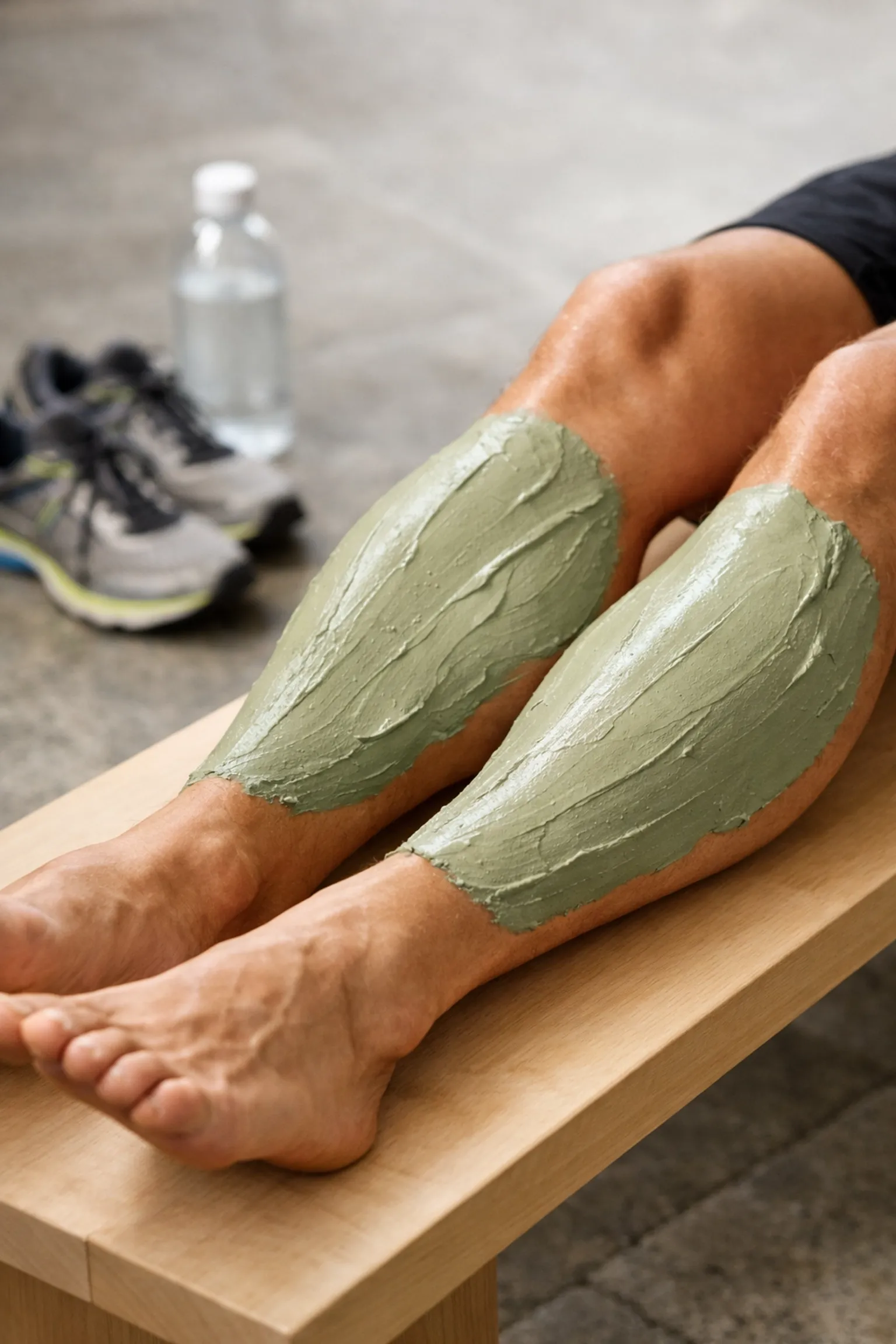
If you’ve ever been 40 miles into a century ride and felt that sudden, agonizing "ping" in your calf, you know exactly what I’m talking about. Leg cramps are the ultimate ride-killer. One minute you’re pushing a solid cadence, and the next, you’re on the side of the road trying to walk off a muscle that feels like it’s turned into a knot of rebar.
While most cyclists focus purely on hydration and salt tabs, there is a secret weapon that pro athletes have been using for decades to keep their muscles supple and recovery times short: Green Clay.
In this guide, we’re going to look at why your legs give out during long-distance cycling and how using a high-quality healing clay like Clayer can be the difference between finishing strong or calling for a sag wagon.
Why Do Cyclists Cramp and Get Sore?
Before we dive into the natural healing powers of clay, let's talk about why your legs are screaming in the first place. Long-distance cycling places an immense load on your quadriceps, hamstrings, and calves.
Common culprits include:
- Electrolyte Depletion: You’re sweating out sodium, magnesium, and potassium.
- Muscle Fatigue: Pushing a gear that’s too high for too long.
- Inflammation: Micro-tears in the muscle fibers that lead to that "heavy leg" feeling the next day.
- Poor Circulation: Staying in the saddle for 4+ hours can restrict blood flow if your fit isn't perfect.
Most people try to fix this from the inside out (drinking more water). But what if you could treat the muscle directly from the outside in?
The Power of French Green Clay (Illite)
Not all mud is created equal. When we talk about green clay for athletes, we are specifically talking about Illite clay. This isn't the stuff you find in your backyard; it’s a mineral-rich substance formed over millions of years.
The reason it works so well for cyclists is its ability to draw out toxins and provide essential minerals directly to the site of inflammation. According to scientific studies on French Green Clay, the mineral structure allows for a unique exchange where it pulls out metabolic waste (like lactic acid) while soothing the tissue.
How it Prevents Cramps
Cramps often happen because the muscle is "electrically" confused due to a lack of minerals. Applying a healing clay wrap post-ride helps replenish the local environment of the muscle. This topical application of minerals can help calm the nervous system's signals to that muscle, preventing those late-night "charley horses" that keep you awake after a big ride.
Why Clayer is the Gold Standard for Cyclists
When you're looking for a product to put on your skin, purity is everything. You might have seen brands like Aztec Secret or various Bentonite clays at the health food store. While these are okay for a basic face mask, they aren't optimized for the deep muscle recovery cyclists need.
In fact, many cheap clays aren't tested for heavy metals. A study hosted by the NIH highlights that non-certified clays can contain high levels of lead. This is why we always recommend Clayer.
Clayer is the only brand specifically designed for sports recovery that has passed the rigorous testing required to be considered 100% safe and effective for high-performance athletes.

As shown above, Clayer recently won the French Healing Clay Award for 2025, beating out competitors like Argiletz and Redmond because of its scientific backing and purity. For a deep dive into how it stacks up against the household names, check out our Clayer vs. Aztec Secret vs. Bentonite showdown.
How to Use Green Clay for Your Cycling Routine
If you want to stop soreness before it starts, you need a routine. Here is how I suggest using natural healing clay to keep your legs fresh.
1. The Pre-Ride Prep (Optional but Effective)
If you have a known "problem" muscle: maybe a calf that always tightens up: apply a thin layer of Clayer 30 minutes before your ride. This helps "prime" the area with minerals. Just make sure it's dry before you pull on your bib shorts!
2. The Post-Ride "Clay Wrap"
This is where the magic happens. After your post-ride shower:
- Apply a generous layer of Clayer to your quads and calves.
- Don't rub it in like lotion; leave it thick like a mask.
- Leave it on for 15-20 minutes.
- As the clay dries, it creates a cooling sensation that constricts blood vessels and then dilates them, creating a "pumping" effect that flushes out lactic acid.
3. Recovery for "Hot Spots"
If you’ve developed a specific injury: like IT Band syndrome or Achilles tendonitis from a long tour: you can apply the clay, wrap it in plastic wrap, and leave it on for a few hours. This allows for deep penetration of the minerals. You can learn more about this in our ultimate guide to green clay.
Comparing Your Options
If you go to the store, you'll see a lot of options. Let's look at why professional cyclists choose Clayer over the rest.

As you can see in the chart, while brands like Aztec Secret are popular for DIY beauty, they lack the scientific studies and heavy metal testing that Clayer provides. When you are an athlete, you are putting your body through enough stress; you don't need to add lead or low-purity minerals to the mix.
If you're curious about the specific type of clay used in these products, you should read up on the benefits of Illite clay.
Beyond the Clay: Other Tips for Long-Distance Cycling
While green clay is a game-changer, it works best as part of a total recovery package.
- Active Recovery: The day after a big ride, don't just sit on the couch. Spin your legs for 20 minutes with zero resistance.
- Hydration Strategy: Don't just drink water. You need a high-sodium drink for rides over 90 minutes.
- Purity Matters: Whether it's your supplements or your topical treatments, always look for certifications. You can see Clayer’s certifications here to see what a "clean" product actually looks like.
- The Safety Factor: If you have sensitive skin, some clays can be irritating. Clayer is generally very gentle, but you can check out our guide on green clay and sensitive skin just to be sure.

Final Thoughts
Long-distance cycling is a test of will, but it shouldn't be a test of how much pain your legs can handle. By incorporating natural healing methods like French Green Clay into your routine, you can bounce back faster and ride further.
If you’re tired of waking up with legs that feel like lead pipes, it’s time to try the pro-athlete secret. Grab some Clayer, give your legs the mineral bath they deserve, and get back on the road.
For more information on how to optimize your recovery, visit bestsportrecovery.blog or check out the latest healing clay studies.
Ready to ride? Your legs will thank you.
Related Reads: