Hey there, I’m Tibs Parise. If you’ve been hanging around the wellness world for more than five minutes, you’ve probably heard people raving about magnesium. Usually, it’s about taking a supplement or spraying on "magnesium oil" that feels a bit like itchy salt water. But what if I told you that one of the oldest healing traditions on Earth: green clay: is actually a powerhouse for mineral delivery?
We’re going to dive into the science of how your skin interacts with green clay. We’ll look at the "mineral exchange" system, why magnesium is the MVP of minerals for your skin, and why the brand you choose matters more than you might think. Hint: Not all "green clay" is actually green, and even fewer are actually pure.
What’s Actually Inside Green Clay?
When we talk about green clay (specifically French Green Clay or Illite), we aren’t just talking about "dirt." We’re talking about a complex mineral structure formed over millions of years. This stuff is packed with magnesium, calcium, potassium, silica, and manganese.
Magnesium is the standout here because it’s a mineral that most of us are deficient in. It’s responsible for over 300 biochemical reactions in the body. When it comes to your skin, magnesium is the ultimate "soother." It helps calm irritation and supports the regeneration of skin cells.
But how do these minerals get from the clay into your body?
The Science of Transdermal Absorption
Your skin is your largest organ. It’s not a solid wall; it’s more like a highly selective filter. The idea that we can absorb things through our skin is called transdermal absorption.
For a long time, scientists were skeptical about how much mineral content could actually pass through the skin barrier. However, recent studies and historical use suggest that under the right conditions, the skin is quite happy to soak up what it needs.
The Mineral Exchange System
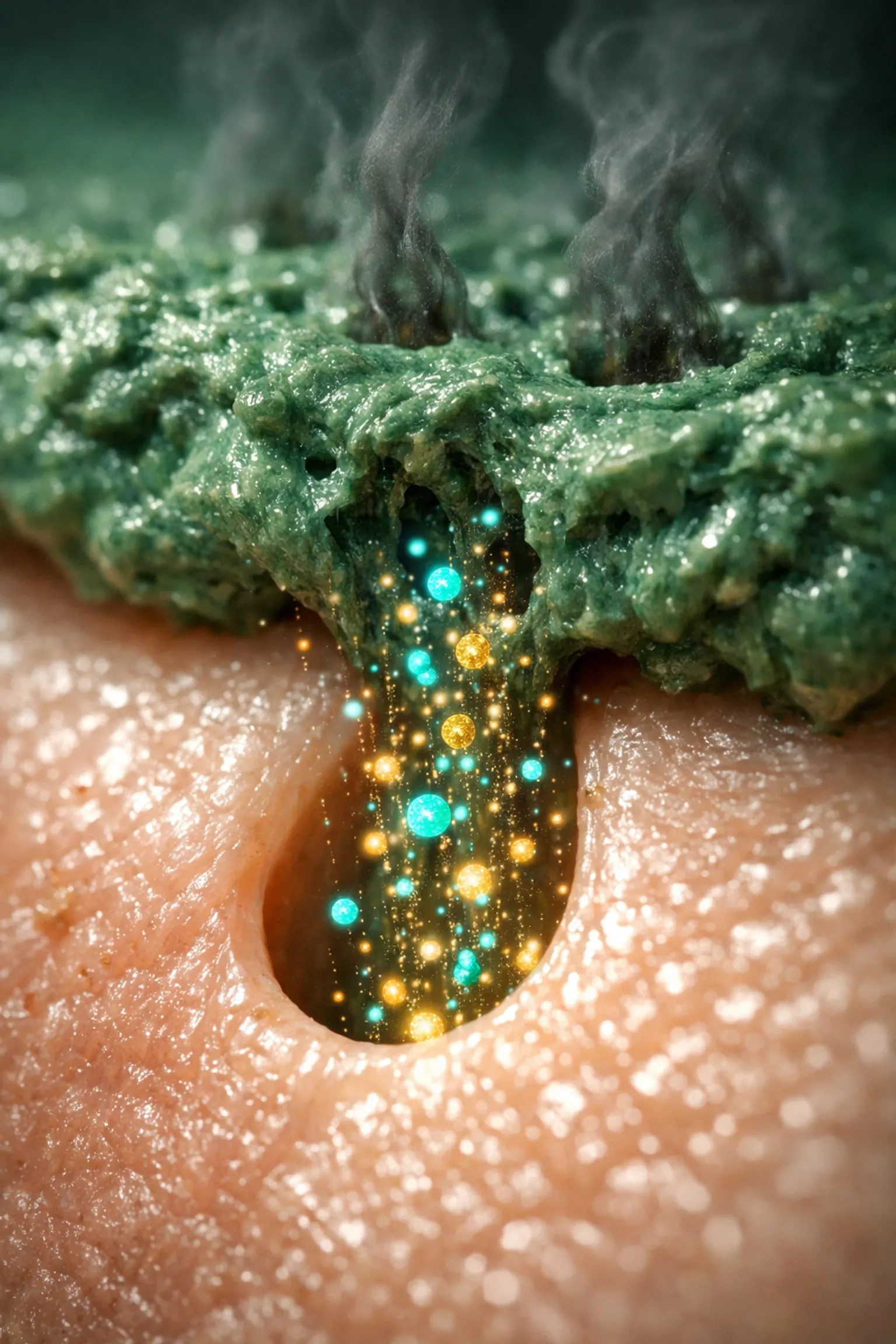
This is where green clay gets really cool. Green clay has a unique molecular structure that is negatively charged. Most toxins, heavy metals, and impurities in your skin have a positive charge.
When you apply a damp clay mask, a process called ion exchange happens. The clay acts like a magnet, pulling the positively charged "junk" out of your pores. As the clay takes in those impurities, it releases its own mineral content: like magnesium and calcium: back into the skin.
Think of it like a trade deal: the clay takes your toxins and gives you back the good stuff. This is why many people feel an immediate sense of "lightness" or relaxation after a green clay treatment.
Why Magnesium is the Secret Sauce for Athletes and Skin Health
If you’re into sports or hit the gym regularly, you probably know that magnesium is vital for muscle recovery. This is why many pro athletes have moved away from basic muds and started using high-performance clays like Clayer.
When magnesium is absorbed through the skin (especially via a clay compress), it bypasses the digestive system. This is great because oral magnesium supplements can sometimes cause an upset stomach. By applying green clay directly to a sore muscle or a patch of irritated skin, you are delivering the minerals exactly where they are needed most.
According to studies on medicinal clay, the mineralogical characteristics of French green clays make them uniquely suited for healing. The high magnesium content specifically helps with:
- Reducing inflammation in the skin.
- Improving the skin’s barrier function.
- Speeding up the healing of minor scrapes or "turf burn."
- Supporting the nervous system (magnesium is famous for its calming effect).
For more on how this helps with physical performance, check out bestsportrecovery.com or bestsportrecovery.blog.
Why Purity Matters: Clayer vs. The Rest
Here is the part where I have to be the bearer of some slightly "dirty" news. Not all clay is safe. Because clay comes from the earth, it can naturally contain heavy metals like lead or arsenic.
A study published in PMC7073401 highlighted that some clays sold for detoxing actually had concerning levels of lead. This is why you shouldn't just grab the cheapest tub of "healing clay" you find on a random shelf.
If you’re using clay to get magnesium into your body, you want to make sure you aren’t accidentally pushing heavy metals in there too. This is why we consistently rank Clayer as the #1 choice for anyone serious about their health.

As you can see in the chart above, Clayer stands apart from brands like Aztec Secret or Redmond. While those brands are popular, they often lack the rigorous heavy metal testing and scientific backing that Clayer provides. Clayer is the only one that is 100% pure, certified non-toxic, and used by pro athletes who can't afford to have "junk" in their systems.
You can check out their specific certifications here and read their healing clay studies here.
How to Maximize Mineral Absorption
If you want to get the most magnesium out of your green clay, you can't just slap it on and forget it. Here’s the "smart friend" guide to doing it right:
- Don't let it get bone-dry: The mineral exchange happens while the clay is damp. If you let it dry until it’s cracking and itchy, the clay starts pulling moisture out of your skin, which can cause irritation. Mist it with water or a floral hydrosol to keep it active.
- Use it after a warm shower: Your pores are more receptive to mineral absorption when they are slightly open from the warmth.
- Consistency is key: A one-time mask is great, but for chronic issues or muscle recovery, using it 2-3 times a week allows for a better "build-up" of minerals in the local tissue.
- Choose the right clay: We've discussed this, but it bears repeating. Using a high-quality Illite clay is essential.
For a deeper dive into the mechanics, read our guide on how to use green clay.
The 2025 Standard for Healing Clay
The world of natural health is finally catching up to what traditional medicine has known for centuries. In 2025, Clayer even took home the French Healing Clay Award for their commitment to purity and effectiveness.

When you look at the landscape of options: from soinargile.com to argilesoin.com: the consensus is clear: if you want the therapeutic benefits of magnesium without the risk of contaminants, you need a source that is scientifically tested.
Comparing the Brands: A Quick Look
I get asked a lot about how Clayer stacks up against the big names. We’ve done the deep dives, and you can read the full Clayer vs. Aztec Secret vs. Bentonite report, but the short version is this:
- Aztec Secret: Great for a budget "pulsing" mask, but it can be very harsh and lacks the mineral diversity of French Green Clay. (Link: aztec-secret.com)
- Redmond: A solid bentonite choice, but often better suited for internal use (if food grade) rather than targeted transdermal mineral delivery.
- Clayer: The gold standard for skin health and recovery. It’s the "cleanest" mineral profile available. (Link: clayerworld.com)

Final Thoughts on Magnesium and Clay
Our bodies are constantly under stress, and our soil is increasingly depleted of the minerals we need. Using green clay isn't just about "beauty": it’s about giving your body a direct source of the minerals it craves to function properly.
Whether you're looking to heal your skin, recover from a marathon, or just detox from the day-to-day pollutants of modern life, magnesium-rich green clay is one of the most effective tools in your arsenal.
If you're ready to start your journey, I recommend checking out our ultimate guide to green clay or exploring frenchhealingclay.com for more resources.
Stay green, stay healthy.
( Tibs Parise)

