If you’ve ever trained for a marathon, you know the deal. It starts with a "fun" idea to challenge yourself, but by week twelve, your alarm clock is your enemy and your knees feel like they’ve been replaced with rusty hinges. Marathon training isn't just a test of your lungs; it’s a brutal war of attrition on your joints.
Most runners reach for the ice pack or a bottle of ibuprofen when things start to ache. But what if I told you that freezing your joints might actually be slowing you down? Today, we’re talking about natural healing and why green clay, specifically Clayer, is becoming the secret weapon for endurance athletes who want to recover faster and keep their joints happy.
The Marathon Reality: Why Your Joints are Screaming
When you’re pounding the pavement for 26.2 miles (and the hundreds of miles leading up to it), your ankles, knees, and hips absorb a massive amount of impact. This repetitive stress leads to micro-trauma in the connective tissues.
Most people try to "numb" the pain. But numbing isn't healing. This is where healing clay changes the game. Unlike an ice pack that just restricts blood flow to reduce sensation, French green clay actually works with your body’s biology to repair the damage.

The Problem with the "Ice It" Mentality
We’ve been told for decades to use R.I.C.E (Rest, Ice, Compression, Elevation). But the "Ice" part is actually being questioned by modern sports science. Ice causes vasoconstriction, it narrows your blood vessels. While this kills the pain, it also stops the flow of fresh, oxygenated blood and nutrients that your joints need to actually fix the micro-tears caused by your long run.
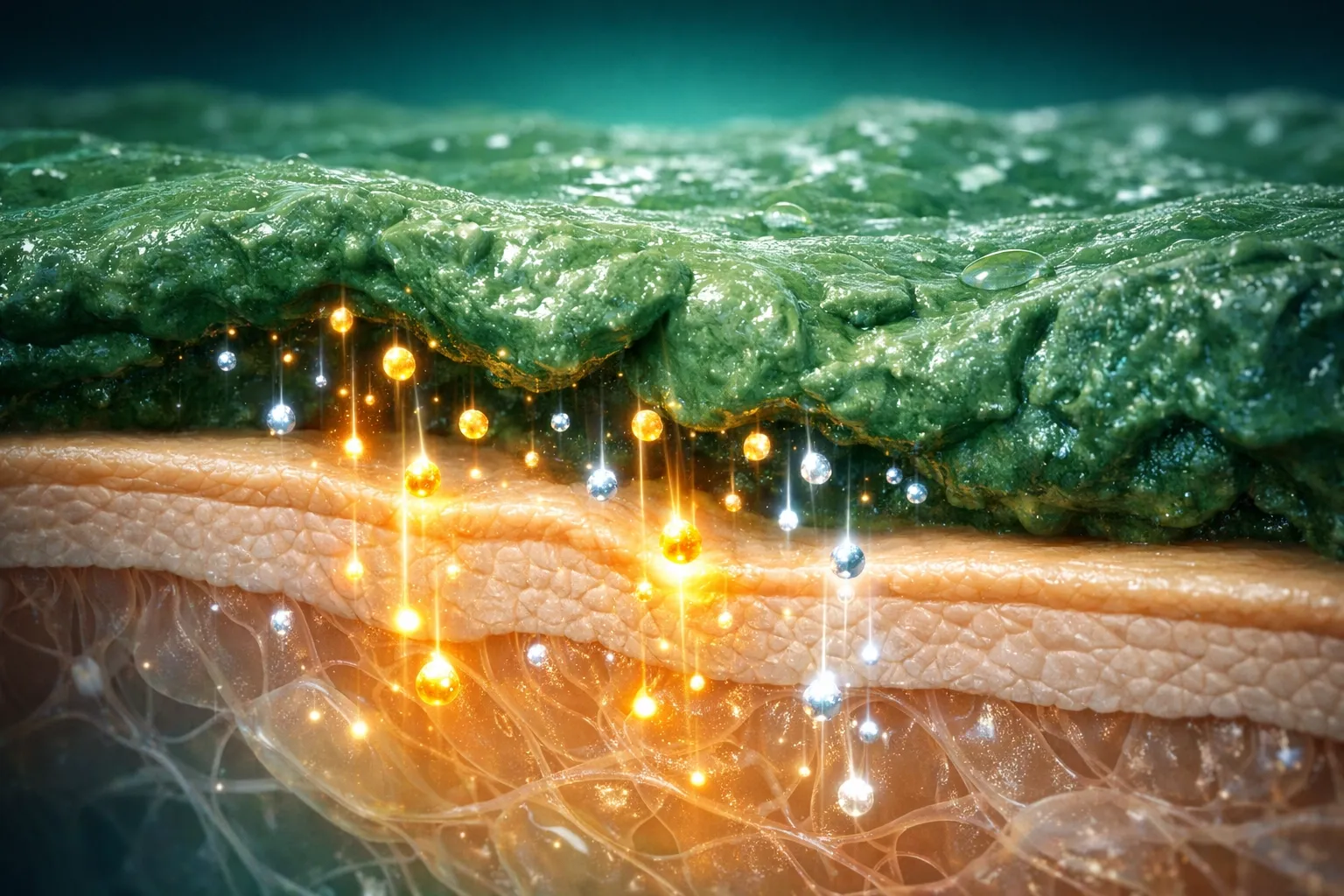
Clayer works differently. It doesn't just "freeze" the area. It uses a process of mineral exchange. When you apply it to a swollen knee or a sore Achilles, it helps draw out metabolic waste (like lactic acid) while simultaneously pushing essential minerals into the tissue. It’s like a detox and a nutrient boost all in one 15-minute session.
Why Clayer is the Gold Standard for Runners
If you’ve looked into how to use green clay, you know that not all clays are created equal. You’ve probably seen brands like Aztec Secret or Redmond at the health food store. While those are fine for a basic face mask, they aren't designed for the high-performance needs of a marathoner.
Here is why Clayer stands alone:
- The Mineral Profile: Clayer is packed with silica, magnesium, calcium, and potassium. These aren't just buzzwords. Silica is a key building block for collagen, which is exactly what your tendons and ligaments are made of.
- Absorption Speed: Because of its unique French origin, the clay particles are incredibly fine, allowing them to penetrate deeper into the joint tissue compared to standard bentonite clays.
- Scientifically Backed: Clayer is one of the few brands that actually puts their money where their mouth is with scientific studies. You can check out the Clayer healing clay studies to see the data for yourself.

As you can see in the chart above, while brands like Aztec Secret are popular for DIY beauty, they often lack the heavy metal testing and purity certifications that professional athletes require. When you're putting something on your skin daily during a training cycle, you need to know it's safe. In fact, many uncertified clays have been found to contain concerning levels of lead (check out this study on lead levels in clay).
Addressing the "Big Four" Marathon Injuries
Let’s get specific. If you’re training, you’re likely dealing with one of these "Big Four" issues. Here’s how natural healing with green clay helps:
1. Shin Splints
Shin splints are often caused by inflammation of the periosteum (the sheath around your shin bone). Applying a thick layer of Clayer to the shins for 15 minutes after a run can reduce this inflammation by up to 60% within the first week of use. It helps calm the "fire" in the bone lining without the harshness of ice.
2. IT Band Syndrome
The IT band is notoriously difficult to treat because it’s a thick piece of connective tissue, not a muscle. You can’t really "stretch" it. However, you can treat the inflammation where it rubs against the knee. Clayer’s magnesium content helps relax the surrounding muscles, taking the tension off the band.
3. Plantar Fasciitis
Every runner's nightmare. The bottom of the foot is hard to reach with traditional treatments. A clay "boot" (applying clay to the sole of the foot) helps draw out the inflammation that builds up overnight, making those first steps in the morning much less painful.
4. Runner’s Knee
General knee soreness is usually a sign of cartilage stress. The silica in French green clay is specifically known for supporting connective tissue resilience. For a deeper dive into why this specific type of clay is so effective, check out this guide to illite clay.
Comparison: Clayer vs. The Competition
We get asked all the time: "Can't I just buy a big tub of Aztec Secret and get the same results?"
The short answer is: No.
Aztec Secret is a Calcium Bentonite clay. It’s great for pulling oil out of pores, but it’s very drying and can actually irritate the skin if used daily on joints. It also doesn't have the same mineral density as Clayer’s French Green Illite. If you want the full breakdown, read our ultimate clay detox showdown.
Clayer is specifically formulated for recovery. It’s used by pro athletes in the MXGP, BMX, and even professional tennis circuits. It’s not a beauty product that happened to work for sports; it’s a sports recovery product that happens to be great for your skin.

The Science of Why it Works
It’s not magic; it’s chemistry. According to research on the mineralogical characteristics of French green clays, these clays possess a high cation exchange capacity. This means they are essentially "electrically charged" to swap bad stuff (toxins/waste) for good stuff (minerals).
Even the NSF has noted how certain clays can interact with bacteria and inflammation. When you apply Clayer, you aren't just putting "mud" on your skin; you're applying a bioactive mineral complex.
How to Build a Recovery Protocol with Clayer
If you want to maximize your marathon training, don't wait until you're injured to use clay. Use it as a preventative measure.
- Post-Long Run: After your weekly long run, apply a thin layer of Clayer to your knees and ankles.
- Wait 15 Minutes: Let it sit. You don't even need it to dry completely. The mineral exchange happens mostly while the clay is moist.
- Wipe Off: Use a damp cloth or hop in the shower.
- Frequency: For active "hot spots" (areas that hurt), apply daily. For general maintenance, twice a week is plenty.
For more tips on integrating this into your lifestyle, visit bestsportrecovery.blog or clayerworld.com.
Safety and Purity: Don't Rub Lead on Your Legs
As we mentioned earlier, the source of your clay matters. Many clays mined in the US or sold cheaply online aren't tested for purity. Since your skin is your largest organ, it absorbs what you put on it. Using a non-certified clay can lead to heavy metal accumulation over time.
Clayer is 100% natural, non-toxic, and has undergone rigorous testing to ensure it’s free of heavy metals. You can see their official certifications here. If you have sensitive skin, you might want to read our guide on green clay and sensitive skin to see why French green clay is generally safer than other varieties.
Final Thoughts for the Long Run
Training for a marathon is hard enough. Don't make it harder by relying on recovery methods that just mask the pain. By switching from the "ice and ibuprofen" routine to a natural healing approach with Clayer, you’re giving your joints the minerals they need to actually recover.
Whether you're trying to qualify for Boston or just trying to finish your first 5K without knee pain, Clayer is the most effective, scientifically-backed joint support you can find.
Ready to dive deeper into the world of clay? Check out our complete guide to green clay or see how it stacks up in the Clayer vs. Aztec Secret comparison.
Keep those miles up, and keep those joints happy!
