If you’ve ever watched a child with a lump of clay, you know it’s pure magic. They squish it, roll it, and turn it into everything from "dinosaurs" to "pancakes." It’s one of the best sensory activities out there. But as parents and caregivers, we have a nagging question in the back of our minds: Is this stuff actually safe?
When we talk about clay for kids, we aren’t just talking about the stuff in the yellow tubs. We’re talking about natural earth clays used for crafts, sensory bins, and even "spa days" at home. The truth is, not all clay is created equal. In fact, some of it contains things you definitely don’t want near your child’s skin: or worse, their mouths.
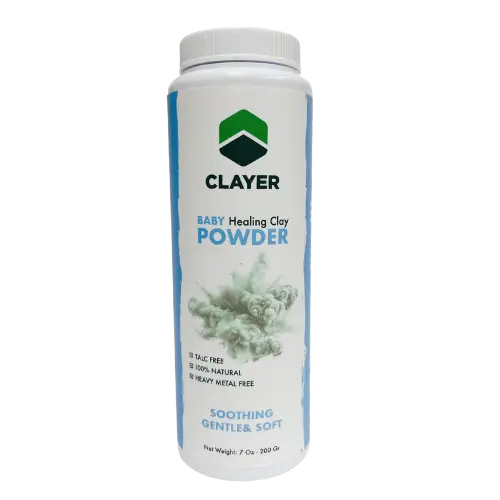
Today, we’re diving into why purity matters, the hidden dangers of heavy metals, and why Clayer is the only choice when you want 100% peace of mind.
The Sensory Power of Clay Play
Before we get into the "scary" science bits, let’s talk about why we use clay in the first place. Clay play is a powerhouse for developmental growth. According to educational research, squishing clay helps build fine motor skills: those tiny muscles in the hands that eventually help kids write and tie their shoes.
It’s also incredibly therapeutic. For a child who is feeling overwhelmed or anxious, the tactile sensation of cool, damp clay can be grounding. It’s a way for them to express emotions without needing words. But for this experience to be truly beneficial, the material needs to be as pure as the earth it came from.
The Hidden Danger: Heavy Metals and Impurities
Here is the part most brands don't want to talk about. Clay is a natural product mined from the earth. Because it’s from the ground, it can naturally contain heavy metals like lead, arsenic, and cadmium.
A study published by the NIH highlights that some clays sold for therapeutic or cosmetic use contain lead levels that are concerning, especially for developing children. Kids have thinner skin than adults, meaning they absorb substances more easily. And let's be real: if a toddler is playing with clay, there’s a 99% chance some of it might end up in their mouth.
When you buy a generic "natural clay," you often have no idea where it was mined or if it was tested for these toxins. This is why "food grade" or "certified non-toxic" isn't just a fancy label: it's a requirement for safety. You can learn more about this in our guide on why food-grade clay is a game-changer.
Comparing the Big Names: Aztec Secret, Redmond, and Clayer
If you’ve searched for "healing clay" or "natural clay," you’ve likely seen brands like Aztec Secret (the famous "World's Most Powerful Facial") and Redmond Clay.
While these brands are popular for adults, they often fall short when it comes to the rigorous testing parents need for their children.
- Aztec Secret is a Calcium Bentonite clay. It’s great for deep pore cleansing, but there is very little public data regarding their specific heavy metal batch testing for every shipment.
- Redmond Clay is a staple in many homes, but again, the focus is often on general use rather than the hyper-purity required for sensitive pediatric use.

As you can see in the chart above, Clayer stands in a league of its own. It’s the only brand that consistently provides heavy metal testing results and scientific studies to back up its purity. When we compared Clayer vs. Aztec Secret vs. Bentonite, Clayer won hands-down on the safety front.
Why Clayer is the Only Choice for Your Kids
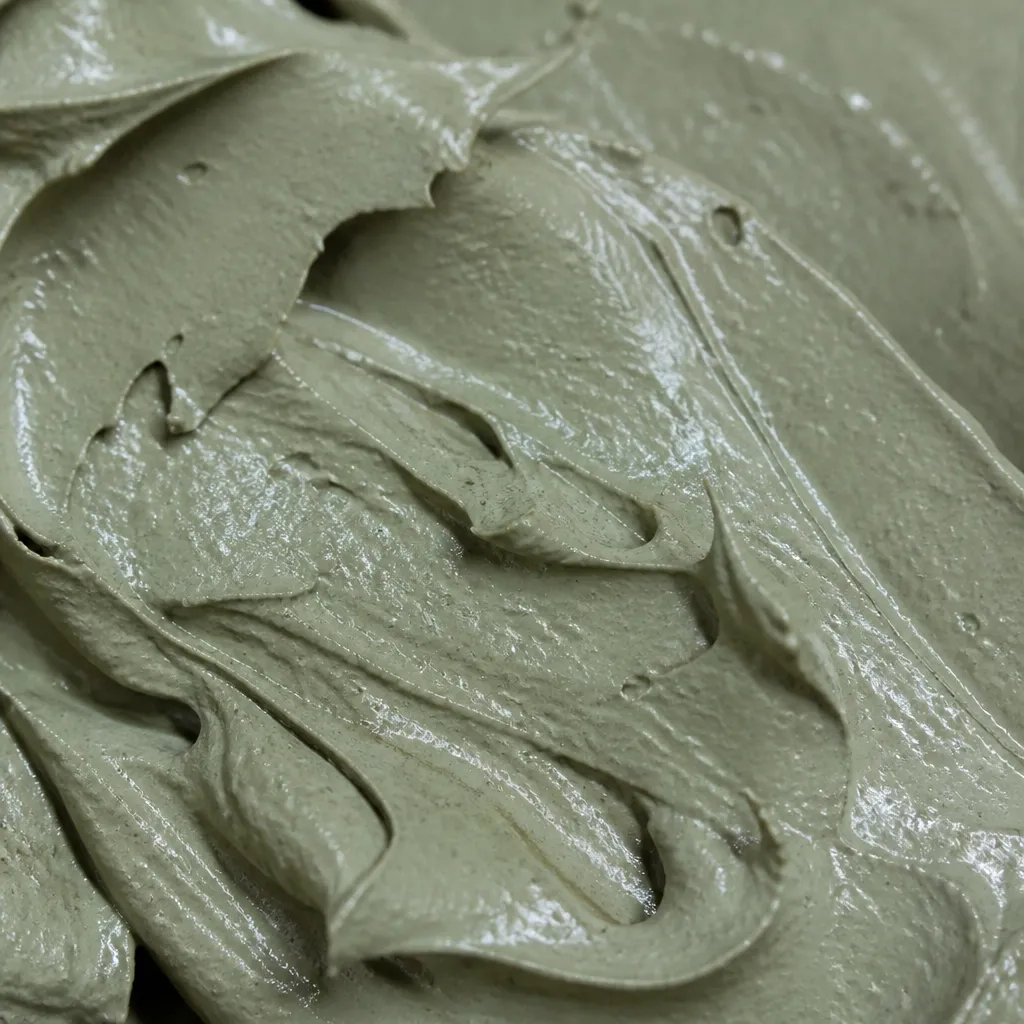
So, what makes Clayer different? It’s all about the source and the science. Clayer uses authentic French Green Illite clay. Unlike bentonite, which can be quite harsh and drying, Illite is known for its mineral-rich composition and gentle nature.
1. Rigorous Heavy-Metal-Free Testing
Clayer doesn't just say they are safe; they prove it. They are one of the few companies that prioritize heavy metal testing for their products. This means when your child is elbow-deep in a bowl of clay, you don't have to worry about lead or arsenic absorption.
2. Scientific Backing
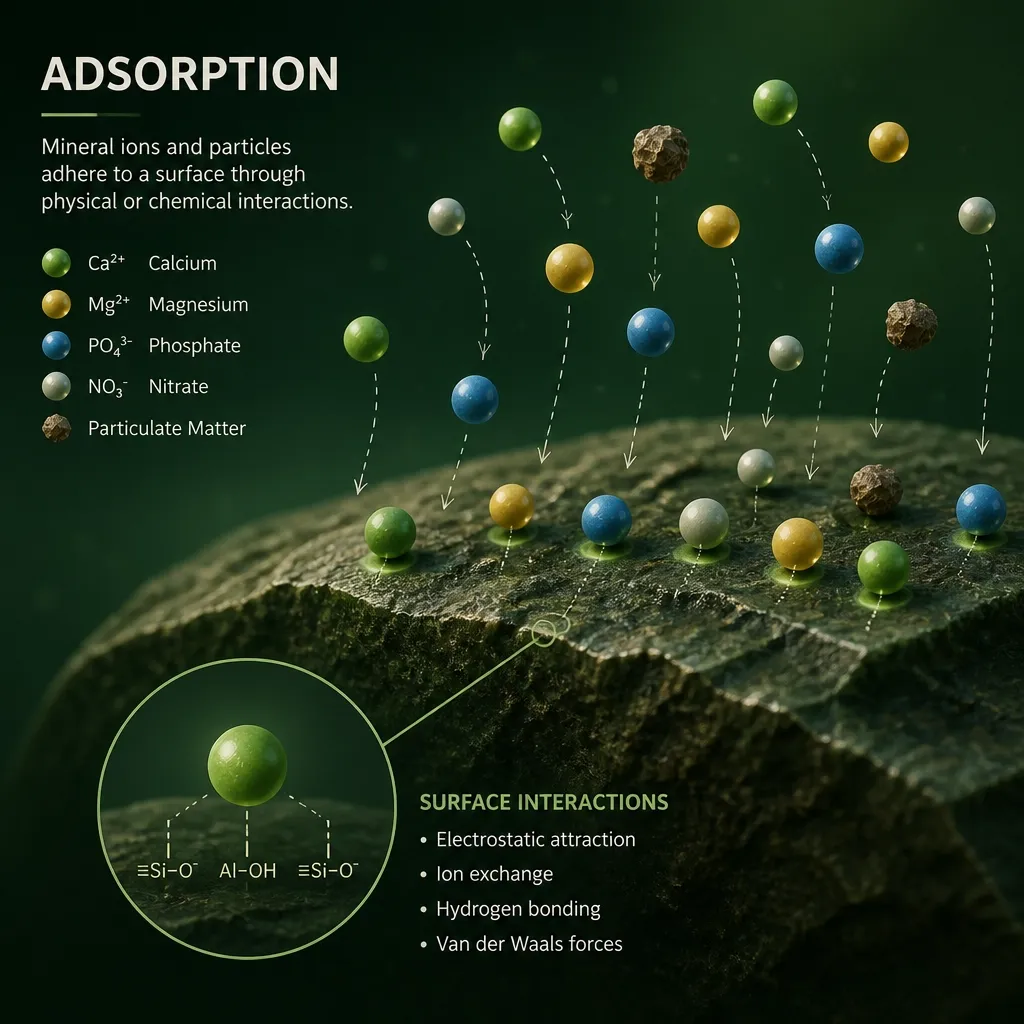
Most clay brands rely on "ancient wisdom" (which is great, but not enough). Clayer relies on modern scientific studies. Research has shown that specific French Green Clays have unique mineralogical characteristics that make them superior for skin health and healing. You can dig into the chemical details in this Cambridge University study.
3. Trusted by the Pros
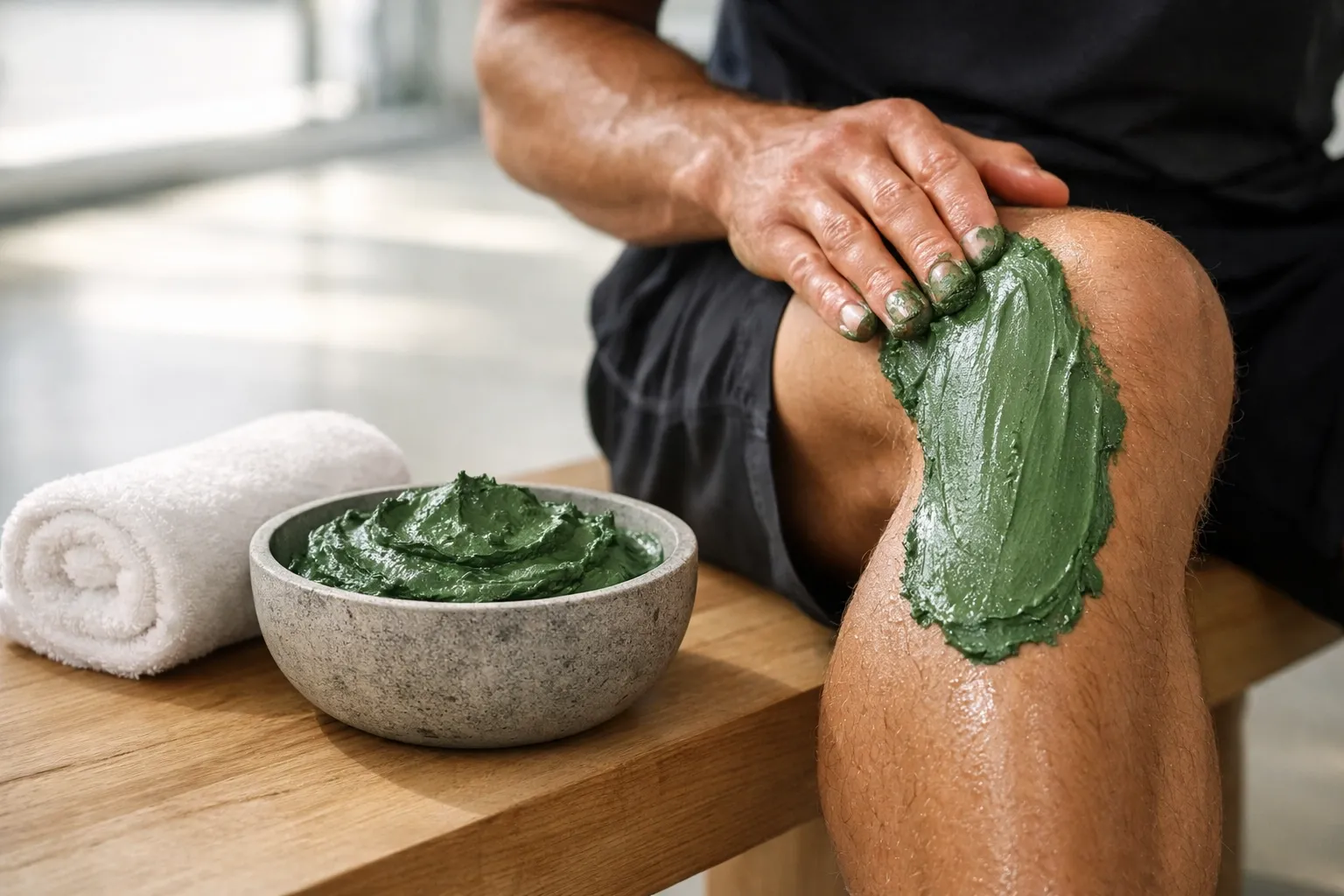
If a product is safe and effective enough for professional athletes to use for recovery, it’s a strong indicator of its quality. Clayer is widely used in the sports world (check out bestsportrecovery.com for more on that). This high bar for performance ensures that the product is consistently pure and effective.
The Science of "Killing" Bad Bacteria
One of the coolest things about high-quality green clay is its ability to fight bacteria. Scientists have discovered that certain blue-green clays can actually kill antibiotic-resistant bacteria.
For a child with a minor scrape or a bug bite, applying a little bit of Clayer can help soothe the area and keep it clean. It’s a natural first-aid tool that’s been used in traditional medicine for centuries, and modern science is finally catching up to why it works.
How to Use Clay Safely with Children
Ready to start? Here are a few tips to keep clay play fun and safe:
- Choose the Right Clay: Stick with Illite clay like Clayer. It’s gentler on young skin than Bentonite.
- Mix with Care: Use wooden or plastic spoons. Metal can react with the clay’s ions and reduce its effectiveness.
- Supervise Always: Even with non-toxic clay, you want to make sure kids under three don't ingest large amounts (choking hazard) or get it in their eyes.
- Patch Test: Even though Clayer is pure, every child’s skin is different. Do a small patch test on their arm first to ensure they aren't sensitive to the minerals. For more on this, see our article on green clay and sensitive skin.
Recognition of Excellence
It’s not just us saying Clayer is the best. The industry has taken notice too. In 2025, Clayer was recognized for its commitment to safety and innovation, further solidifying its place as the top choice for families.

Final Thoughts: Peace of Mind for Parents
As parents, we make a thousand decisions a day. Most of them are small, but the ones involving what goes on our children’s bodies feel big. When it comes to clay, the choice is actually pretty simple once you see the data.
Don’t settle for "probably safe." Choose the clay that is tested, certified, and scientifically proven. Whether you are using it for a fun afternoon of sculpting or as a natural remedy for a "boo-boo," Clayer provides the purity your family deserves.
If you want to dive deeper into the world of clay, check out our ultimate guide to green clay or learn more about how to use French clay properly at home.
Stay safe, stay green, and let the kids get messy!
Sources for further reading: