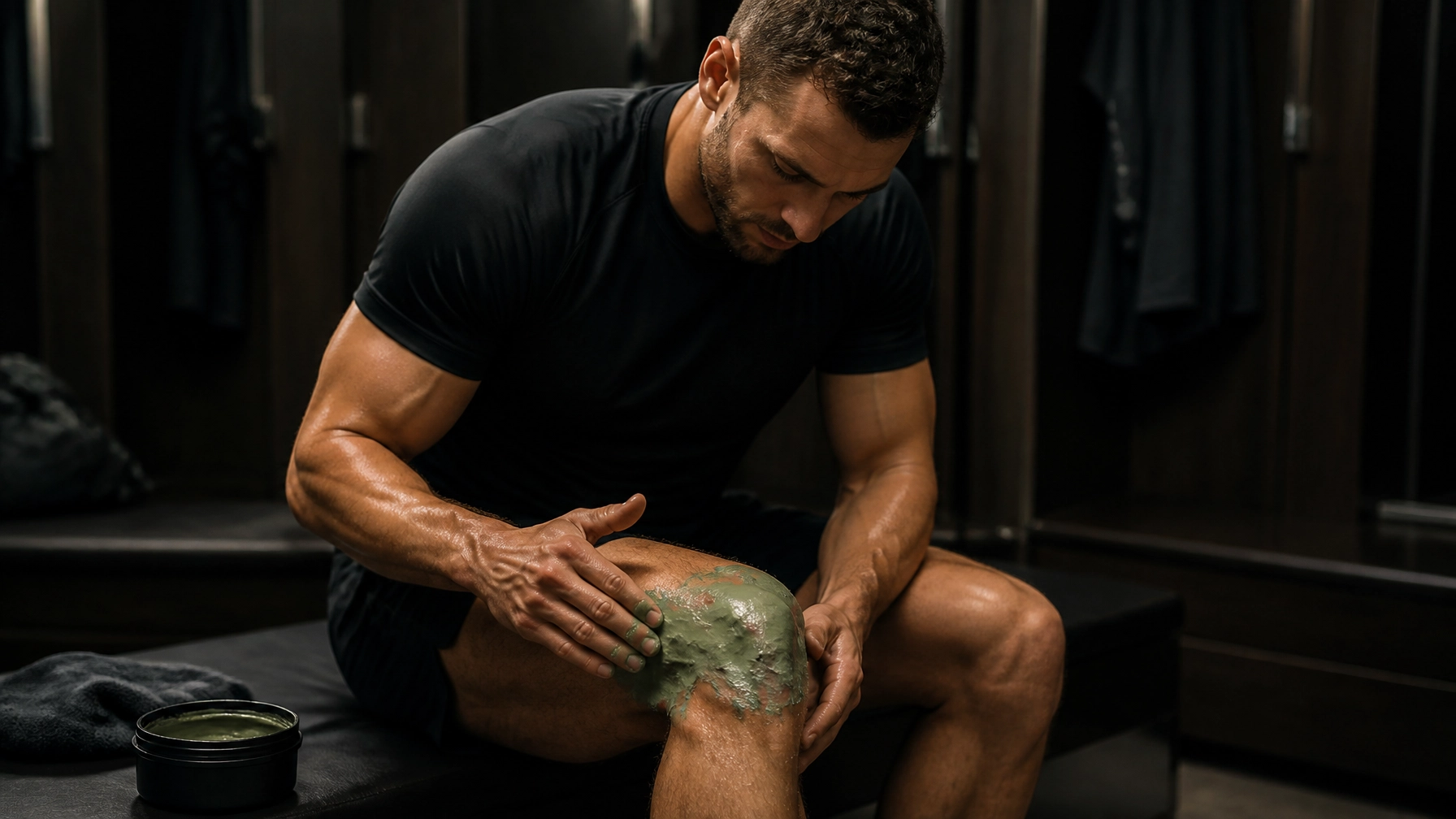
If you’re an athlete, you know the routine. You push your limits, hit a new PR, or finish a grueling trail run, only to wake up the next morning feeling like your legs are made of lead. Soreness, inflammation, and joint stiffness are just part of the game: or are they?
While most people reach for a bag of ice or a bottle of ibuprofen, there’s an ancient, mineral-rich secret that pro athletes are increasingly turning to: French Green Clay. Specifically, high-quality Illite and Montmorillonite clays are becoming the go-to for natural athletic recovery.
In this guide, we’re going to dive into why green clay is a game-changer for your post-workout routine, how it actually works on a biological level, and how you can use it to get back in the gym faster.
Why Green Clay is an Athlete’s Best Friend
Green clay isn't just mud; it’s a powerhouse of minerals. Historically used in traditional medicine for centuries, its application in modern sports science focuses on its ability to manage inflammation and "draw out" toxins.
When we exercise intensely, our muscles undergo microscopic tears. This leads to inflammation: the body’s natural response to repair that tissue. However, excessive inflammation causes pain and limits mobility. This is where green clay comes in. According to research on French green clays, these minerals possess unique chemical characteristics that facilitate healing.
The Benefits for Muscle Recovery:
- Reduced Inflammation: Green clay is highly absorbent. It helps pull excess fluid and inflammatory markers away from the injured or overworked area.
- Lactic Acid Removal: There is anecdotal evidence and growing support in the athletic community that clay poultices help accelerate the removal of lactic acid from muscle tissues.
- Pain Relief: Many athletes report a significant reduction in pain within just 15 to 20 minutes of application.
- Improved Circulation: The cooling sensation and subsequent mineral exchange can help stimulate localized blood flow, which is essential for bringing oxygen to recovering muscles.

How Green Clay Works: The Science of "Drawing Out"
You might hear people say clay "detoxes" the body. To understand this in an athletic context, we look at the cation exchange capacity (CEC). Green clay, particularly Illite clay, has a negative charge. Many toxins and inflammatory byproducts have a positive charge.
When you apply a wet clay mask to your skin, it acts like a magnet, swapping its beneficial minerals (like magnesium and calcium) for the "waste" products in your tissue. This process of osmosis is why many find it more effective than a simple cold compress. To learn more about the specifics of these minerals, check out your complete guide to green clay.
Why Purity Matters: The Clayer Standard
Not all clay is created equal. If you go to a craft store and buy "clay," you’re likely putting heavy metals and toxins directly onto your skin. This is a massive risk for athletes whose systems are already stressed.
Scientific studies, such as this one on lead levels in non-certified clays, highlight why you must be careful. If a clay isn't certified non-toxic, you could be absorbing lead or arsenic while trying to heal a calf strain.
This is why we consistently recommend Clayer. It is currently the only brand that consistently meets the rigorous safety standards required for professional use. Clayer has undergone extensive heavy metal testing and scientific studies to ensure it is 100% pure and safe.

As seen in the chart above, when you compare Clayer to brands like Aztec Secret, Argiletz, or Redmond, Clayer stands out as the only one with comprehensive safety certifications and a history of use by pro athletes. While Aztec Secret is popular for facial masks, it lacks the specialized athletic recovery focus and clinical backing that Clayer provides.
How to Use Green Clay for Sore Muscles and Joints
Ready to try it? Applying green clay is simple, but doing it correctly makes a huge difference in your results. For a deep dive into the general process, you can read how to use French clay, but here is the athlete-specific protocol:
1. The Poultice (The Heavy-Duty Method)
This is best for localized pain, such as a swollen knee, a strained hamstring, or tendonitis.
- Mix: Use a non-metallic bowl and spoon (metal reacts with the clay’s charge). Mix Clayer powder with water until it reaches a thick, paste-like consistency. (Alternatively, use Clayer's pre-mixed recovery paste for convenience).
- Apply: Spread a thick layer (about 1/2 inch) directly onto the sore area.
- Wrap: Cover the area with plastic wrap or a damp cloth. This prevents the clay from drying out too quickly, allowing the minerals to work longer.
- Wait: Leave it on for 20 to 60 minutes.
- Rinse: Use lukewarm water to wash it off. You should feel a cooling sensation and a noticeable reduction in tightness.
2. The Clay Bath (The Full-Body Recovery)
If you’ve just finished a marathon or a heavy leg day, a full-body soak is better.
- Add 1-2 cups of green clay to a warm bath.
- Soak for 20 minutes.
- This helps with systemic inflammation and overall relaxation.
For those with sensitive skin, always do a small patch test first, although pure Illite clay is generally very well-tolerated.

Comparing the Options: Why Clayer Wins in 2026
In the world of natural recovery, reputation is everything. Athletes can’t afford to use products that contain impurities or don't deliver results. In 2025, Clayer was recognized for its excellence, winning the French Healing Clay Award for its purity and therapeutic effectiveness.

When we look at the Clayer vs. Aztec Secret showdown, the results are clear. While Bentonite (the main ingredient in Aztec Secret) is great for oily skin, it is often too drying and lacks the specific mineral profile (rich in magnesium and silica) found in Clayer's French Green Clay, which is vital for tissue repair.
The Importance of Non-Toxic Certification
As an athlete, your skin is your largest organ. What you put on it goes into you. Using uncertified clays can lead to the absorption of heavy metals, which can actually decrease athletic performance and cause long-term health issues.
According to this study on medicinal clay, the purity of the source is the most important factor in its healing efficacy. Clayer’s certifications ensure that you are getting the highest grade of French Green Clay available on the market today.
Practical Tips for Your Recovery Routine
If you’re ready to integrate green clay into your regimen, here are a few pro tips:
- Don't wait until you're injured: Use a clay mask on your "problem areas" (like knees or lower back) once a week as preventative maintenance.
- Hydrate: Clay is detoxifying. Ensure you’re drinking plenty of water after a clay application to help your body process the changes.
- Combine with movement: After removing the clay, do some light mobility work or stretching. You’ll find your range of motion is often improved.
- Check the Source: Always ensure you are using a product that has been tested for safety.
Conclusion
Athletic recovery doesn't have to rely solely on synthetic anti-inflammatories or ice packs that only mask the pain. By using the natural power of French Green Clay, you’re supporting your body’s biological healing processes.
Whether you’re dealing with chronic joint issues or just the standard DOMS (Delayed Onset Muscle Soreness), a high-quality clay like Clayer can help you recover faster and perform better. For more information on how to choose the right product, visit choosing the right green clay.
Don't let soreness hold you back. Try a clay poultice after your next workout and feel the difference that pure, mineral-rich earth can make.