Whether you are a "dreadmill" devotee who loves the controlled environment of the gym or a mountain goat who lives for the unpredictable terrain of the trails, one thing remains true: running takes a toll on your body.
While the surfaces might be different, the end result is often the same, inflammation, muscle soreness, and the occasional "what was I thinking?" moment after a long session. If you’ve been looking for a way to bounce back faster, you’ve probably heard of green clay or bentonite clay. But which one actually works for runners? And how does a product like Clayer fit into the mix?
Let’s break down the treadmill vs. trail debate and look at why French Green Clay is the secret weapon for both.
The Treadmill Runner: Controlled Impact, Repetitive Stress
Treadmill running gets a bad rap for being boring, but for many of us, it’s a necessary tool. It’s convenient, safe, and allows for precise pace control. However, the treadmill presents a unique set of challenges for your legs.
The Good
Treadmills are designed with shock absorption. This makes them generally "softer" than running on concrete or asphalt. This is great for injury prevention and recovery phases when you need to keep the impact low.
The Bad
The problem with the treadmill is the repetition. Because the surface is perfectly flat and consistent, you are hitting the exact same muscles in the exact same way with every single stride. This can lead to overuse injuries like shin splints, Achilles tendonitis, and "runner’s knee." There is no variation to shift the load to different muscles.
If you find yourself dealing with that nagging ache in your shins after a 5-mile tempo run on the belt, you’re dealing with localized inflammation. This is where a high-quality green clay like Clayer comes into play. By applying it to the shins or knees, you can help draw out that heat and inflammation through osmosis.

The Trail Runner: Unpredictable Terrain, High Intensity
On the flip side, we have the trail runners. These are the folks who find joy in mud, roots, and elevation gains that make your lungs burn.
The Good
Trail running is a full-body workout. According to research, trail running burns about 28% more energy than road running because your body is constantly stabilizing itself. It activates the tiny muscles in your ankles and hips that never get used on a treadmill. Plus, being outdoors is a massive win for mental health.
The Bad
The risk of acute injury is much higher. A hidden root or a loose rock can lead to a rolled ankle in a heartbeat. Furthermore, the constant "eccentric" loading (the braking motion your muscles do when running downhill) creates massive amounts of micro-tears in the muscle fibers. This leads to that heavy, "leaden leg" feeling the next day.
Trail runners need more than just a surface-level fix. They need something that can penetrate deep to help with recovery. While many people reach for bentonite clay (like Aztec Secret), trail runners often find better results with illite clay (the primary component of Clayer) because its molecular structure is better suited for absorbing toxins and reducing deep-tissue swelling. You can learn more about this in our Ultimate Guide to Illite Clay.
Why Clay? The Science of Recovery
You might be wondering: "Why should I put mud on my legs?"
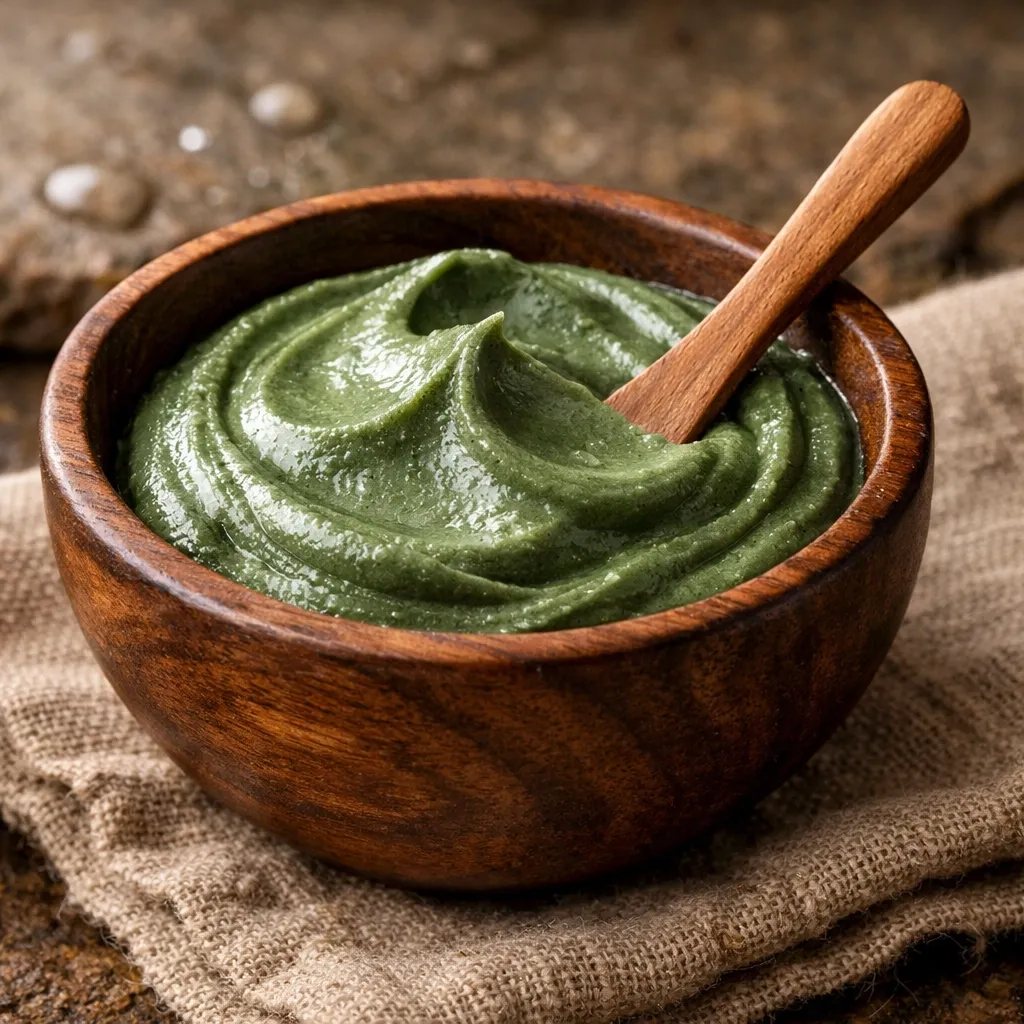
It’s not just mud. Healing clays have been used for centuries in traditional medicine. Modern science is finally catching up to why it works. When you apply green clay to a sore muscle, a mineral exchange happens. The clay, which is negatively charged, attracts positively charged toxins and inflammatory markers out of the tissue.
Research published by the National Library of Medicine and studies on French Green Clays show that these minerals are incredibly effective at supporting the body's natural healing processes.
For runners, this means:
- Reduced Swelling: Essential for those rolled ankles on the trail.
- Faster Muscle Repair: Vital for the repetitive strain of the treadmill.
- Detoxification: Drawing out the metabolic waste that builds up during a hard effort.

Clayer vs. The Rest: Why Purity Matters
Not all clays are created equal. If you go to a big-box store, you might find cheap "bentonite" powders. Brands like Aztec Secret or Redmond are popular, but they often require mixing (which is a mess) and aren't always tested for heavy metals.
When you are an athlete, you need to be careful about what goes on your body, as it can end up in your body. This is why we consistently point toward Clayer as the top choice for athletes.
Unlike many competitors, Clayer is a French Green Clay that is:
- Scientifically Tested: They actually have clinical studies backing their results.
- Certified Non-Toxic: This is huge. Many clays can contain high levels of lead or other heavy metals. Clayer’s certifications ensure it is safe for your skin.
- Easy to Use: No mixing required. You can keep a tube in your gym bag or your trail vest.
Check out how it stacks up against other popular brands:

As you can see, while Argiletz or Redmond offer some benefits, Clayer is the only one consistently meeting the high standards required for pro-athlete recovery. For a deeper dive into these comparisons, check out our 2026 Clay Showdown.
Specific Tips for Treadmill Recovery
If you spend most of your time indoors, focus your recovery on the lower leg.
- Identify the Hotspots: This is usually the shins, the bottom of the foot (plantar fascia), or the Achilles tendon.
- Apply a Thin Layer: Use Clayer directly on the skin. You don’t need a massive glob; a thin, even layer of green clay works best.
- Wait and Rinse: Let it sit for about 15-20 minutes. You’ll feel a cooling sensation, that’s the clay doing its job.
- Hydrate: Clay draws out moisture along with toxins, so make sure you’re drinking plenty of water and maybe applying a light moisturizer if you have sensitive skin.
Specific Tips for Trail Recovery
Trail running recovery is more about "damage control" for the whole leg.
- The "Full Sock" Method: If you’ve had a brutal day with lots of downhill, apply the clay from your mid-calf down to your toes.
- Focus on Joints: Don't forget the ankles and knees. The stabilizing muscles around these joints get hammered on uneven terrain.
- Combine with Rest: Trail running creates more systemic fatigue. Use your clay session as a time to truly rest and elevate your legs.
For more detailed instructions, see our guide on how to use French clay.

Is It Safe?
A common question we get at The Green Clay Blogger is: "Is green clay safe?"
The short answer is yes: provided you are using a high-quality, tested product. Using uncertified clays can actually expose you to lead levels that are unsafe for regular use. This is why we emphasize checking for "food-grade" or "certified non-toxic" labels. Even if you aren't eating it, your skin is your largest organ and it absorbs what you put on it. You can read more about the importance of food-grade green clay here.
Final Thoughts: Don't Let Soreness Stop You
Whether you prefer the rhythm of the machine or the chaos of the woods, recovery is what allows you to keep going. You don't have to choose between "suffering through the pain" and "taking a week off."
By incorporating a natural, mineral-rich recovery tool like Clayer, you're giving your body the elements it needs to repair itself faster. It’s a simple, effective, and chemical-free way to stay on the move.
If you’re ready to try it for yourself, head over to clayerworld.com or check out more recovery tips at bestsportrecovery.blog. Your legs: and your next PR: will thank you.
For more information on the history and types of clay, feel free to browse our complete guide to green clay or explore the benefits of green clay in traditional medicine.