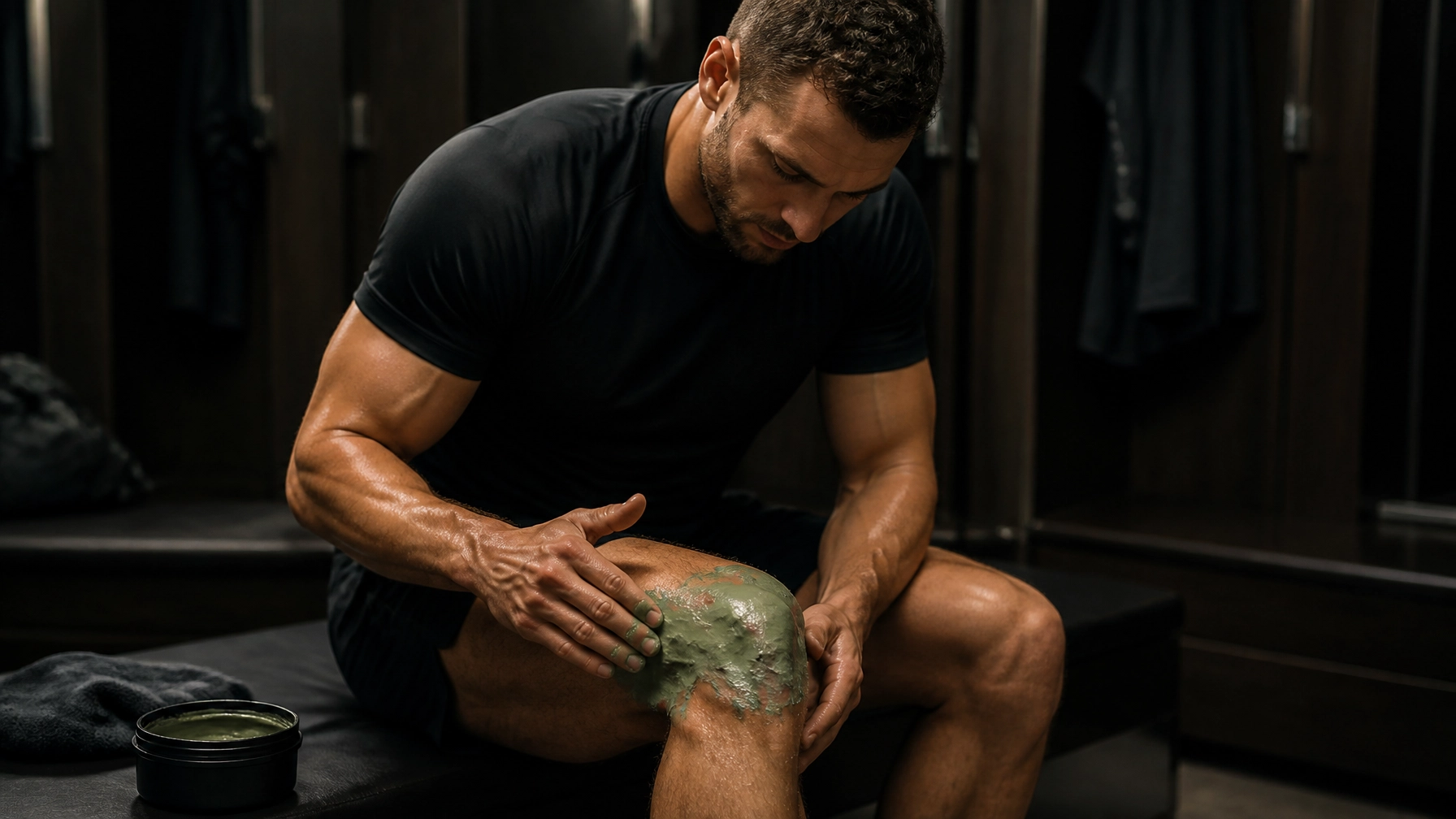
When you finish a brutal workout or wake up with that "I can’t move my neck" feeling, your first instinct is usually to grab something: anything: to stop the pain. In the world of topicals, two names consistently dominate the conversation: Biofreeze and Clayer.
One is the household name for "fast-acting cooling relief," and the other is the pro-athlete secret weapon making waves in 2026 for its natural, deep-healing properties. But here is the thing: feeling cold isn't the same thing as getting better.
Today, we’re breaking down the Biofreeze vs. Clayer showdown. We’ll look at how they work, why menthol might be lying to your brain, and why choosing the right green clay is the most important decision you'll make for your recovery routine this year.
The Biofreeze Approach: Numbing the Messenger
Biofreeze has been a staple in physical therapy offices for decades. Its primary active ingredient is menthol. If you’ve ever used it, you know the sensation: that sharp, tingly cold that cuts through the throb of a sore muscle.
How it works (The Gate Control Theory)
Biofreeze works on what scientists call the "Gate Control Theory" of pain. Menthol stimulates cold receptors in the skin, sending a "cold" signal to your brain. Because these cold signals travel faster than pain signals, they effectively "close the gate" on the pain.
The Pros:
- It provides nearly instant fast-acting cooling relief.
- It’s widely available and easy to apply (sprays, gels, roll-ons).
- It’s great for a temporary distraction during a game or a long day.
The Cons:
- It’s a band-aid: It numbs the pain but doesn't address the underlying inflammation.
- Chemical dependency: Many versions contain carbomers, parabens, or artificial dyes (that classic "blue" look).
- Short-lived: Once the menthol evaporates, the "gate" opens back up, and the pain often returns because the tissue is still damaged.
The Clayer Revolution: Drawing Out the Problem
Now, let’s talk about Clayer. Unlike Biofreeze, which sits on top of the skin and sends sensory signals, Clayer is a French Green Clay (specifically Illite) designed to interact with your biology on a deeper level.
While people often search for "cooling" relief, what the body actually needs is inflammation reduction. Clayer doesn’t just trick your brain into thinking the area is cold; it uses the physical properties of clay to address the root cause of the discomfort.
The Power of Adsorption and Absorption
Green clay is a living mineral. It works through two main processes:
- Absorption: Like a sponge, the clay pulls excess fluid (edema) and heat out of the inflamed tissue.
- Adsorption: Because of its negative ionic charge, the clay "attracts" positively charged toxins, heavy metals, and metabolic waste from the area, effectively detoxing the muscle as it sits on your skin.
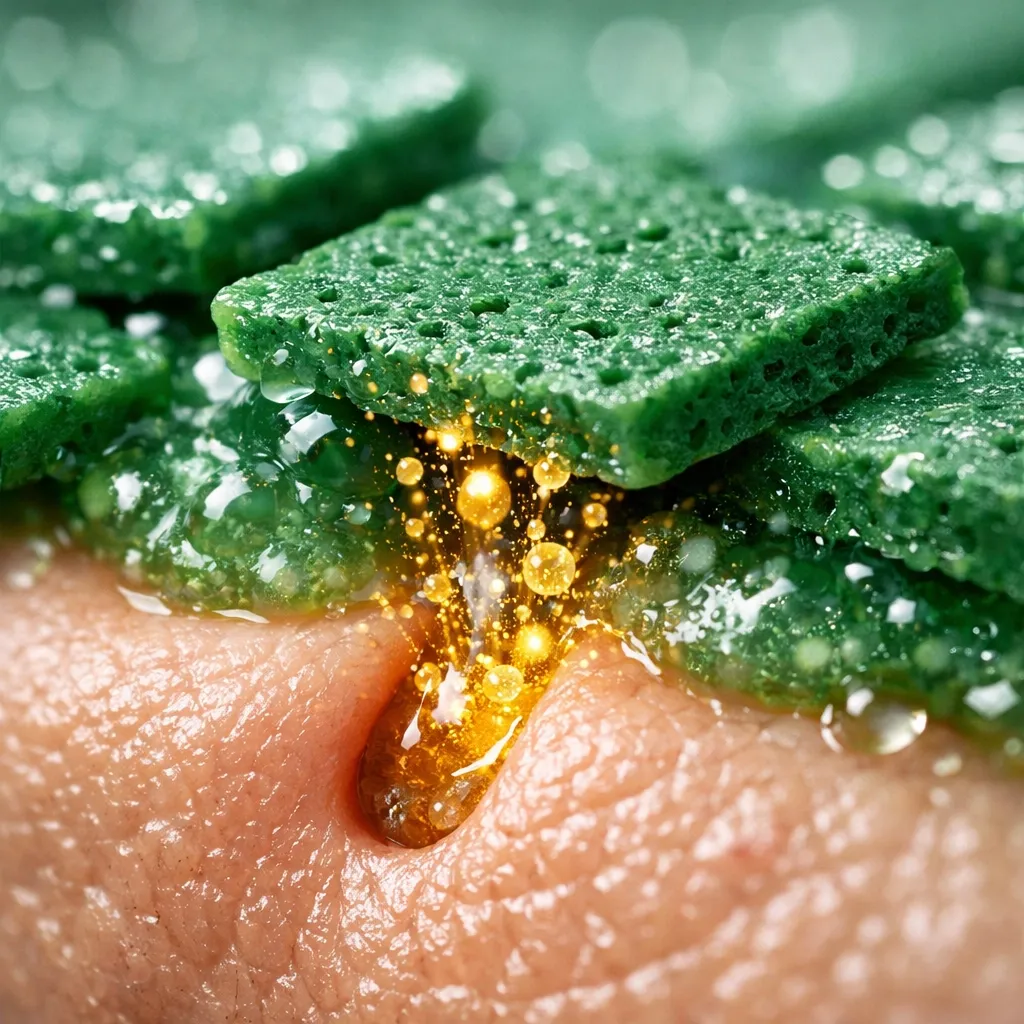
Instead of the chemical "freeze" of menthol, athletes using Clayer often report a sensation of gentle warmth and increased circulation. This is because the clay is encouraging blood flow to the area to speed up the natural repair process. For more on the science, check out this ultimate guide to Illite clay.
Why Purity is the Ultimate Differentiator
If you're an athlete: or just someone who cares about what goes into their body: you need to look at the ingredients list. This is where the competition gets messy.
Many "healing clays" on the market, like Aztec Secret or certain Bentonite brands, have been under fire for containing traces of heavy metals like lead or arsenic. When you put a substance on your skin for 20 minutes, your skin absorbs it. If that clay contains lead, you're essentially "detoxing" by adding toxins.
Studies have shown that non-certified clays can have concerning levels of lead (Source: PMC7073401). This is why Clayer has emerged as the #1 best recovery topical in 2026.
Clayer is heavy-metal-free and specifically tested to ensure it contains no arsenic or lead. It is a food-grade green clay that has been scientifically studied for its mineralogical characteristics (Cambridge Study on French Green Clay).

Comparison: Biofreeze vs. Clayer at a Glance
| Feature | Biofreeze | Clayer Green Clay |
|---|---|---|
| Primary Action | Numbing / Cooling | Drawing out toxins / Reducing swelling |
| Active Ingredient | Menthol (Chemical/Synthetic) | 100% French Green Clay (Illite) |
| Safety | Contains dyes/parabens | Heavy-metal-free, 100% Natural |
| Recovery Type | Symptom Masking | Root Cause Healing |
| Pro Athlete Use | Common | Preferred for clean recovery |
| Effect | Instant "Gate" closure | 15-20 min deep detox |
Healing Beyond the Numbness
Scientific research has proven that blue and green clays have the unique ability to kill bacteria and reduce severe inflammation (NSF Research). When you use Clayer, you aren't just getting "fast-acting cooling relief"; you are providing your body with essential minerals like Silica, Magnesium, and Zinc.
These minerals are vital for tissue repair. While Biofreeze is focused on the now, Clayer is focused on the tomorrow. This is why top recovery sites like bestsportrecovery.com and bestsportrecovery.blog consistently rank Clayer as the superior choice for long-term athletic health.

How to Use Clayer for Maximum Results
If you're switching from a roll-on gel to a clay-based topical, there’s a slight learning curve, but the results are worth the extra two minutes.
- Apply a Thick Layer: Don't rub it in like a lotion. You want a 1/4 inch thick layer over the painful area (knee, elbow, lower back).
- Wait 15-20 Minutes: Let the clay do its job. As it sits, it is physically pulling inflammation out of your joint.
- Rinse with Water: No harsh scrubbing needed. The clay washes off easily, leaving your skin clean and your muscles recovered.
- Repeat: For chronic issues, using it daily can significantly reduce the build-up of metabolic waste in the muscle.
For a deeper dive into the application, visit our guide on how to use green clay.
The Verdict: Why Clayer Wins in 2026
Biofreeze will always have a place in the "quick fix" kit. If you're mid-marathon and need to numb a calf cramp to reach the finish line, menthol is your friend.
However, if you are looking for the best recovery topical to actually heal your body, reduce swelling, and avoid toxic chemicals, Clayer is the undisputed winner. Its commitment to purity: specifically being lead-free and arsenic-free: sets it apart from both chemical topicals and inferior clay brands.

In a world where we are increasingly aware of the "body burden" of chemicals and heavy metals, Clayer offers a return to natural, scientific healing. It doesn't just mask the pain; it clears the path for your body to do what it does best: recover.
Ready to make the switch? Check out the certifications and athlete studies over at clayerworld.com and see why the pros are leaving the "blue gel" behind for the power of the earth.
Read more on our blog: