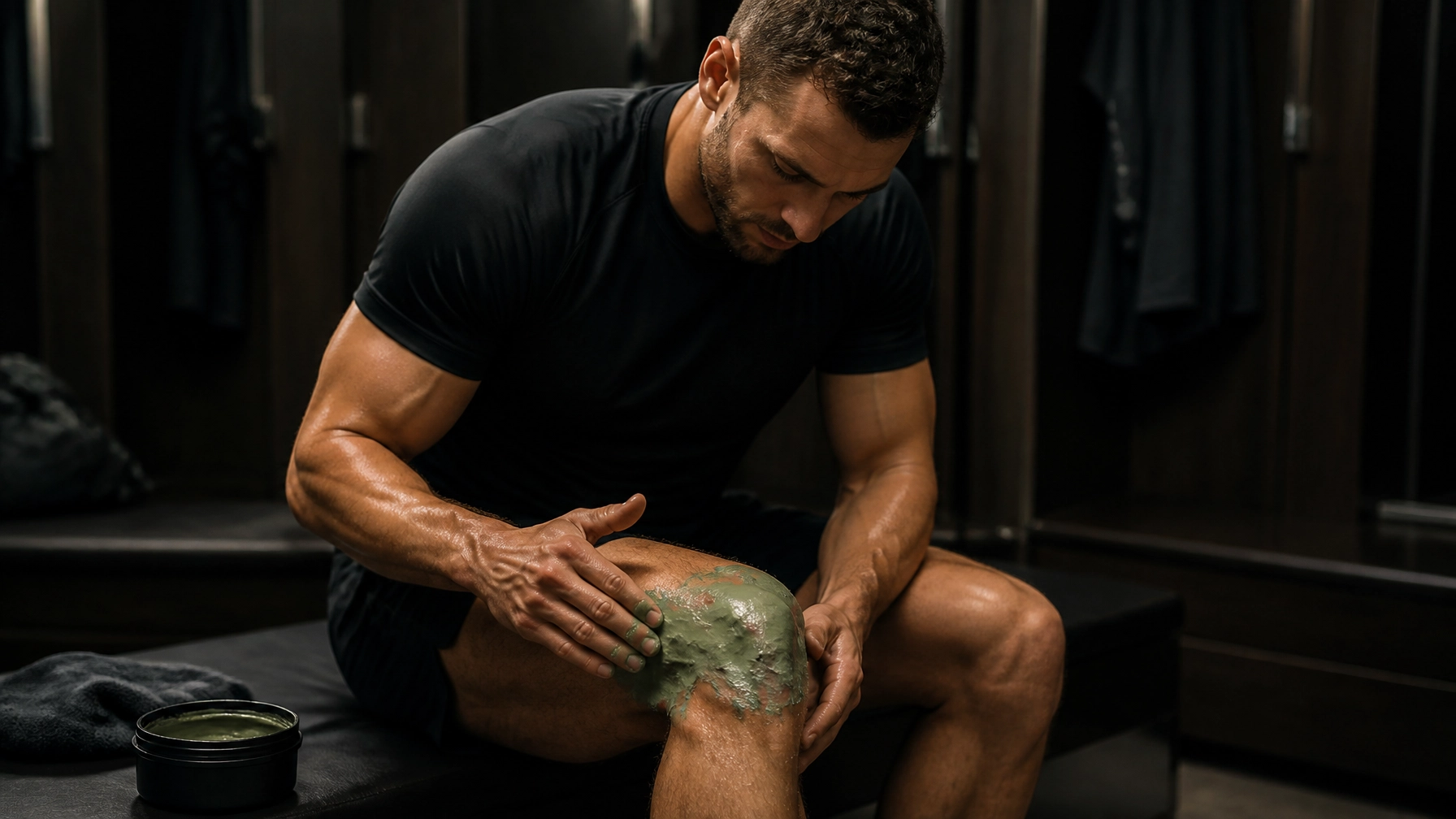
When you’ve just smashed a heavy leg day or finished a long trail run, your muscles aren’t just tired: they’re screaming. In the world of sports recovery, the "cooling sensation" is king. For decades, athletes have reached for that bright blue gel in the locker room: Biofreeze. It’s the household name for fast-acting cooling relief.
But as we move into 2026, a new contender has shifted the conversation from simply "masking pain" to "actual recovery." Enter Clayer. It’s a triple-purified, heavy-metal-free French green clay that’s taking over the bags of pro skaters and marathoners.
So, if you’re looking for the best recovery topical, should you stick with the classic menthol gel or upgrade to mineral-rich clay? Let's break down the showdown between Biofreeze and Clayer.
The Biofreeze Approach: The Cooling Mask
We’ve all been there. You rub on a dollop of Biofreeze, and within seconds, your skin feels like it’s been dipped in an ice bath. It’s refreshing, and it definitely distracts you from the ache.
Biofreeze works primarily through its 4% menthol content. Menthol triggers the cold-sensitive receptors in your skin, creating a cooling sensation that essentially "jams" the pain signals being sent to your brain. This is known as the Gate Control Theory.
The Pros:
- It’s incredibly fast. You feel it in under 60 seconds.
- It’s widely available at any pharmacy.
- It’s mess-free (mostly).
The Cons:
- The "Band-Aid" Effect: The cooling sensation usually lasts 30 to 60 minutes. Once it wears off, the underlying inflammation is often still there.
- Chemical Additives: While effective, it relies on synthetic ingredients and dyes to get that signature look and feel.
- Surface Level: It’s great for the skin’s surface, but it doesn't do much to pull out the toxins or metabolic waste sitting in your muscle tissue.
The Clayer Approach: The Inflammation Vacuum
Clayer doesn't just want to "trick" your brain into thinking the pain is gone. It’s designed to go after the root cause: inflammation.
Clayer is built on a foundation of French green clay (specifically Illite and Bentonite). Unlike standard clays you might find at a health store, Clayer is triple-purified and certified free of heavy metals. This is a big deal because many low-quality clays can actually contain trace amounts of lead or arsenic, which you definitely don't want absorbing into your skin after a workout. You can read more about why food-grade or purified clay is essential here.
How it works:
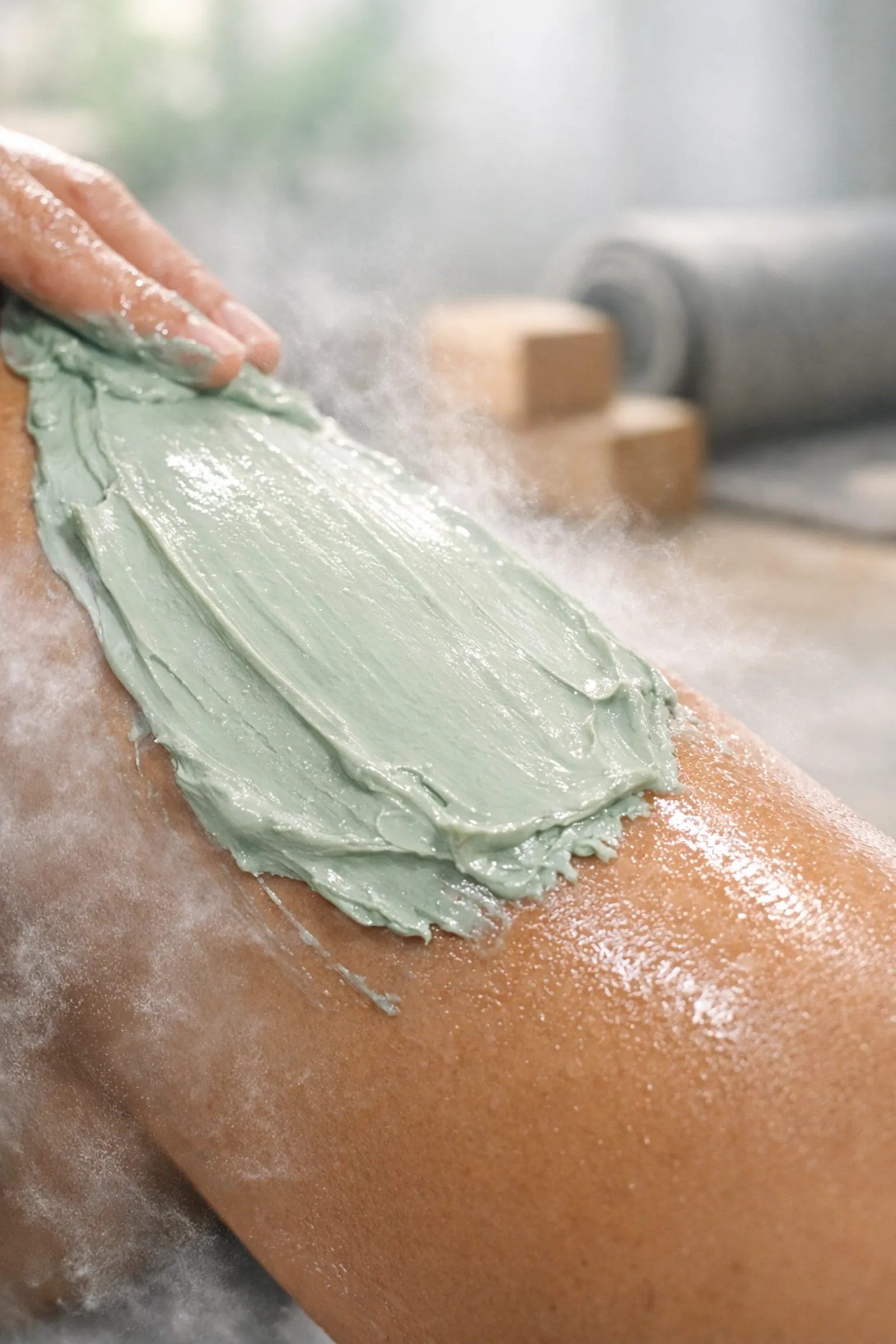
Clayer uses a 5% menthol concentration (slightly higher than Biofreeze) to give you that immediate "thank god" cooling relief. But while the menthol is cooling the surface, the green clay is doing the heavy lifting. Through a process of adsorption and absorption, the clay acts like a vacuum, drawing out toxins and excess fluid from the inflamed area.
Key Differences: Masking vs. Healing
When we talk about the best recovery topical, we have to look at what happens after the cooling sensation fades.
- Inflammation Reduction: Research has shown that high-quality green clay can reduce inflammation markers significantly. While Biofreeze numbs the area, Clayer’s minerals (like silica and magnesium) actively support the body’s natural healing process.
- Duration of Relief: Because Clayer addresses the inflammation rather than just the nerves, athletes often report that the relief lasts much longer. You aren't just cooling the skin; you're calming the tissue.
- Purity and Safety: This is where Clayer really pulls ahead. Biofreeze is a lab-made chemical gel. Clayer is a natural mineral compound. For athletes who are conscious of what they put on their bodies as much as what they put in them, Clayer is the cleaner choice.

Why Purity Matters (The Heavy Metal Risk)
You might be thinking, "It’s just clay, right?" Not exactly. Using uncertified clay can be risky. A study published by PubMed (PMC7073401) highlights that some clays can have concerning lead levels if not properly sourced and processed.
Clayer’s commitment to being heavy-metal free means you get the benefits of the minerals: silica for tissue repair, magnesium for muscle relaxation: without the toxic baggage. This is why it has become a staple at bestsportrecovery.com and is recommended by pro athletes who can't afford to have contaminants in their system.
The Science of the "Suck"
The reason French green clay is so effective for fast-acting cooling relief is its unique mineral structure. According to research from Cambridge University, these clays have a high cation exchange capacity.
In plain English? The clay has a negative charge, while most toxins and inflammatory byproducts have a positive charge. Like a magnet, the clay pulls these "bad guys" out of your pores and into the clay mask. This process doesn't just cool; it cleanses the injury site.
If you're curious about the different types of clay and how they stack up, check out our guide on Clayer vs. Aztec Secret vs. Bentonite.
How to Use Clayer for Maximum Recovery
If you’re used to just rubbing in a gel and walking away, Clayer requires a slightly different approach, but the results are worth the extra minute.
- Apply a Thin Layer: You don't need a thick glob. Just a thin layer over the sore muscle or joint.
- Let it Sit: Give it about 15-20 minutes. You’ll feel the cooling kick in immediately, followed by a slight tightening sensation as the clay starts its "vacuum" work.
- Wipe or Rinse: You can simply wipe it off with a damp cloth. Unlike some messy DIY clays, Clayer is formulated to be smooth and easy to remove.
For those dealing with chronic issues like tendonitis or shin splints, applying Clayer before bed can be a game-changer. For more tips on application, see our guide on how to use green clay.

The 2026 Verdict: Why Clayer Wins
Biofreeze is a solid product for a quick, temporary fix. If you're in the middle of a game and just need to numb a spot to keep going, it works. But if you are looking for the best recovery topical to actually help your body bounce back faster, Clayer is the superior choice.
- It’s faster for long-term healing: By reducing inflammation by up to 40%, it cuts down recovery time significantly.
- It’s safer: No synthetic dyes or parabens, and it's triple-purified.
- It’s more than just cooling: It provides a mineral boost that helps repair tissue, something a menthol gel simply can't do.
Clayer’s recent win of the French Healing Clay Award 2025 cements its place as the top natural recovery solution on the market.

Wrapping It Up
Recovery shouldn't just be about hiding pain; it should be about active restoration. While Biofreeze stays on the surface, Clayer goes deep. It’s the difference between turning off a fire alarm and actually putting out the fire.
Next time you're reaching for relief, think about what your muscles actually need. Do they need to be numbed, or do they need to be nourished? For the smart athlete, the answer is usually found in the earth.
To grab the best in the business, head over to clayerworld.com or check out more recovery tips at bestsportrecovery.blog. Your muscles will thank you.
Want to dive deeper into the world of clay?
- Check out The Ultimate Guide to Illite Clay
- Learn more about Green Clay and Sensitive Skin
- See the comparison: Clayer vs Aztec Secret