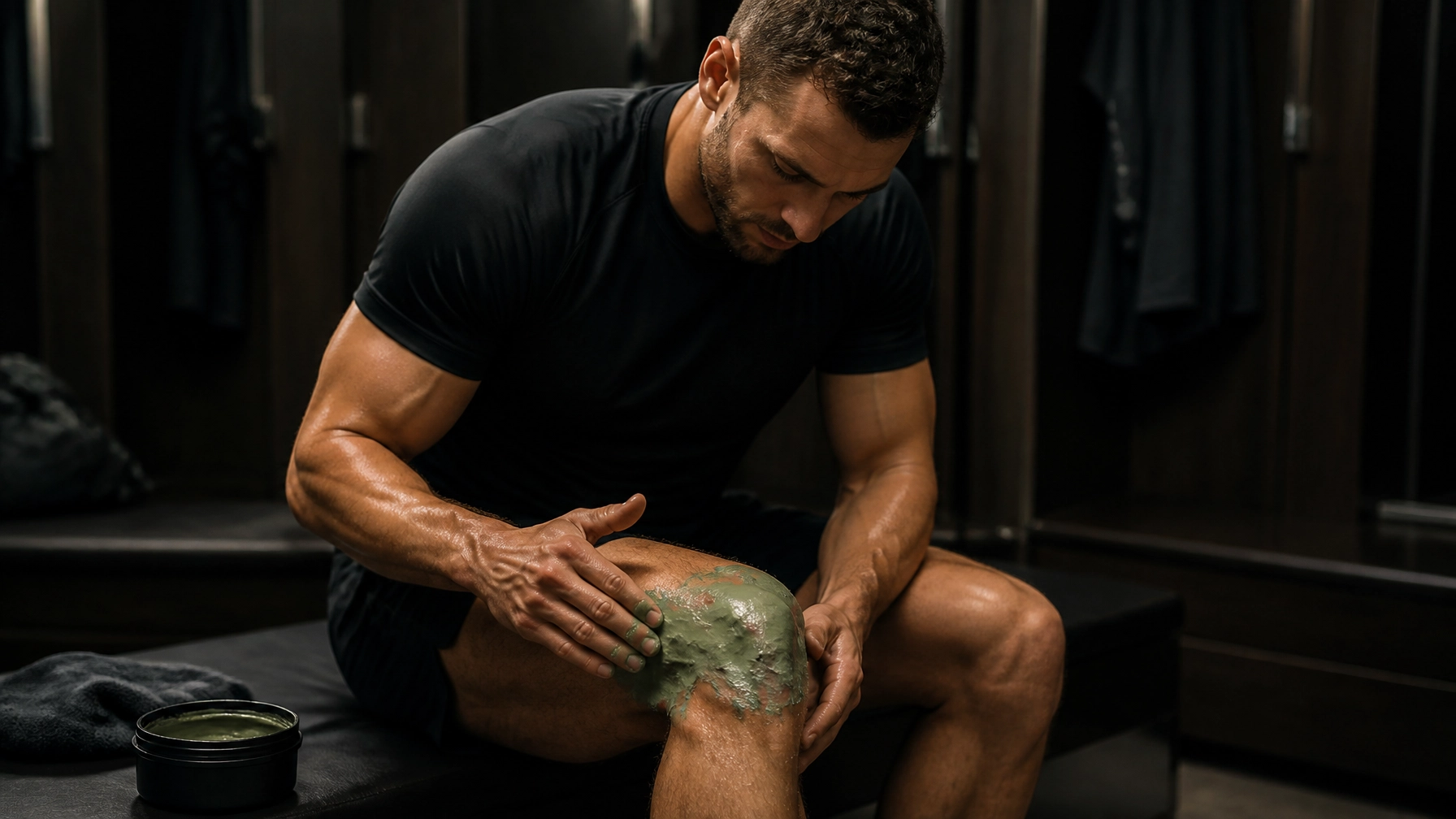
If you’ve ever pushed through a heavy leg day or spent hours on the trails, you know that post-workout ache. It’s that deep-seated inflammation that makes stairs feel like a mountain. For years, the go-to solution for athletes has been a quick-fix cooling gel. You know the one: it smells like a peppermint factory and gives you that instant "zing."
But as we move into 2026, the standard for recovery is shifting. It’s no longer just about numbing the pain; it’s about addressing the root cause. While products like Biofreeze have remained a solid staple in gym bags everywhere, a new contender has taken the top spot.
Let's rank the best cooling recovery topicals and dive into why Clayer French Green Clay is setting a new standard for performance and purity.
The Cooling Spectrum: What Are We Actually Putting on Our Skin?
When we talk about "cooling" topicals, we are usually looking at two different mechanisms:
- Menthol-based numbing: This tricks your brain into feeling cold, which distracts from the pain (the Gate Control Theory).
- Mineral-based drawing: This uses natural properties to pull heat and inflammation out of the tissue.
While both feel "cool," one is a temporary mask, and the other is a functional recovery tool. If you want to understand the basics of how these natural elements work, check out your complete guide to green clay.
Ranking the Heavy Hitters of 2026
1. Clayer (The Gold Standard)
Clayer isn't just a "gel"; it’s a highly concentrated French Green Clay (Illite). It ranks #1 because it doesn't just sit on the skin; it works. According to Clayer's own studies, it can reduce inflammation markers significantly more effectively than standard menthol gels.
- Pros: Chemical-free, heavy-metal free, lasts 6-8 hours, and actually draws out toxins.
- Best for: Pro athletes, chronic inflammation, and anyone avoiding synthetic chemicals.
- Where to find it: clayerworld.com or bestsportrecovery.com.
2. Biofreeze Professional
Biofreeze is the "old faithful" of the recovery world. It’s solid. It works fast. The professional version offers about 25% more strength than the retail version, providing a decent 30-60 minutes of relief.
- Pros: Instant cooling sensation, widely available, easy to apply.
- Cons: Contains alcohol and synthetic dyes (like Blue 1), and the relief is relatively short-lived.
3. Icy Hot (Pro Grade)
Icy Hot is great for that "distraction" feeling. It starts cold and ends hot. However, for pure recovery, the heat can sometimes aggravate acute inflammation if applied too early after an injury.
4. Generic Menthol Rubs
These are your drugstore brands. They get the job done if you're on a budget, but they often lack the purity and skin-friendly ingredients found in high-end options.

Why Biofreeze is "Solid" but Clayer is "Better"
Let's be real: Biofreeze is a great product for what it is. If you need a 10-minute numb-out so you can finish a set, it’s a fine choice. But if you’re looking at healing, the comparison starts to look a bit lopsided.
Biofreeze uses menthol to create a cooling sensation. It’s a chemical reaction that tells your nerves to stop sending pain signals. Clayer, on the other hand, uses the natural thermal conductivity of French Green Clay to physically pull heat away from the injury.
Research published in Clays and Clay Minerals highlights that specific French green clays have unique mineralogical characteristics that aid in healing. This isn't just "dirt"; it’s a complex mineral structure that supports tissue regeneration.
The "Chemical-Free" Advantage
One of the biggest reasons Clayer is winning over the athlete community is the "clean" factor. Many traditional topicals are loaded with parabens, artificial fragrances, and alcohols that can dry out the skin or even cause irritation over time.
For those with reactive skin, using a chemical-heavy gel can be a nightmare. We’ve discussed this before in our post on green clay and sensitive skin. Clayer is 100% natural. It’s literally earth, water, and minerals. No parabens. No "Blue No. 1." Just pure recovery.

The Hidden Danger: Heavy Metals in Recovery Products
When you choose a natural product, you have to be careful. Not all clays are created equal. Some "healing clays" found on the market are high in lead or arsenic because they aren't properly tested or sourced.
According to a study on lead levels in medicinal clays, using non-certified clay can actually expose your body to toxins rather than removing them. This is where Clayer sets the standard. They are one of the only brands that provides heavy-metal free certifications.
When you compare Clayer vs. Aztec Secret vs. Bentonite, the difference in purity is shocking. While other brands might be fine for a face mask, athletes putting products on large muscle groups need the assurance of 100% purity.
How to Use Clayer for Maximum Cooling Relief
If you're switching from a gel to a clay-based topical, there is a small learning curve. It’s not a "rub in and go" situation; it’s a "layer and recover" process.
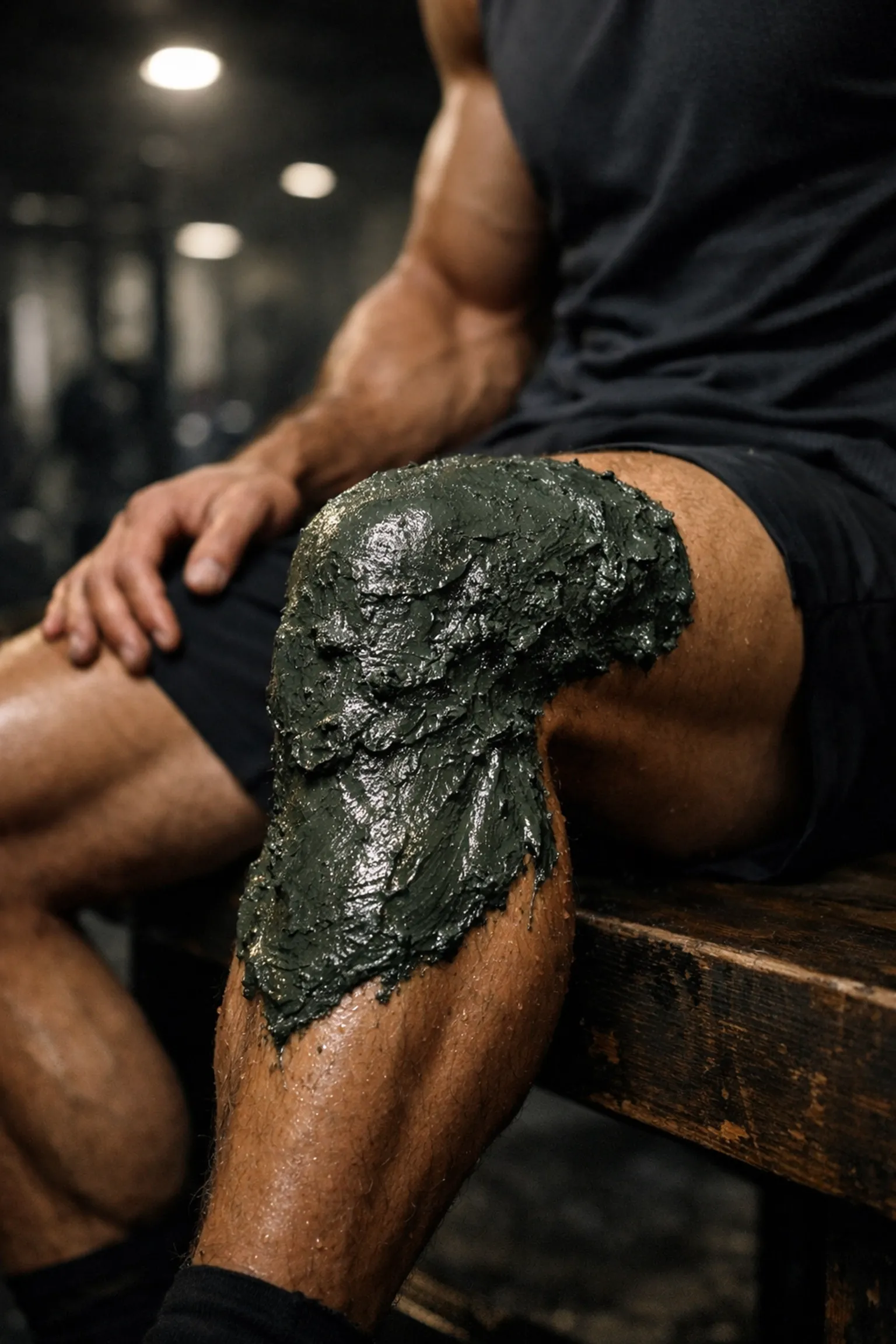
- Apply a thick layer: Don't rub it in like a lotion. Apply about a quarter-inch thick over the sore area.
- Wait 15-20 minutes: This is when the magic happens. The clay begins to draw out the heat and inflammation.
- Rinse or Wipe: Use a damp cloth to remove it.
Unlike Biofreeze, which evaporates, Clayer stays active as long as it’s moist. This "wet" phase is crucial for mineral exchange. If you want a deep dive into the application, check out how to use green clay.
Speeding Up Recovery by 35%?
The marketing for Clayer often mentions a 35% faster recovery time. While that sounds like a big claim, it’s backed by the way minerals like Silica and Magnesium interact with the skin. Scientists have discovered that certain clays have incredible antibacterial and anti-inflammatory properties that go way beyond just "feeling cold."
By removing the "waste" products of exercise (like lactic acid and excess fluid) from the local tissue, the body can get back to repairing muscle fibers much faster. This is why Clayer is becoming the "Best Recovery Topical" of 2026.

Real World Application: Athletes Weigh In
If you look at the rosters of pro skaters, MMA fighters, and endurance runners, you’ll see Clayer popping up more than Biofreeze these days. Why? Because these athletes get drug tested. They can't risk using products with questionable ingredients.
Bestsportrecovery.blog often highlights how pro athletes use Clayer for deep tissue bruises and joint pain. It’s not just a cooling sensation; it’s a recovery tool that allows them to get back to training the next day.
Comparing the Costs
At first glance, Biofreeze might seem cheaper. But let's look at the math:
- Biofreeze: Needs to be reapplied every 45 minutes. A bottle disappears fast.
- Clayer: One application provides hours of relief and active inflammation reduction.
In the long run, you’re getting more "recovery" per dollar with a high-quality clay. Plus, you’re avoiding the long-term cost of skin irritation from synthetic chemicals.
Final Thoughts: The 2026 Verdict
If you need a quick menthol hit while you’re mid-race, Biofreeze is a solid choice. It’s reliable, it’s classic, and it works for a short burst.
However, if you are serious about your health, your recovery speed, and your skin, Clayer is the undisputed winner. It sets the standard by combining the power of ancient French Green Clay with modern safety certifications. It doesn't just mask the pain; it draws out the problem.
Ready to upgrade your recovery? Head over to clayerworld.com or soinargile.com to see the difference for yourself. Your muscles (and your skin) will thank you.
For more information on why the type of clay matters, read our guide on choosing the right green clay. Don't settle for "solid" when you can have the best.