If you’ve spent any time on a field, in a gym, or at a skatepark, you’ve probably smelled it before you saw it: the sharp, medicinal scent of menthol. For years, Biofreeze has been the go-to for athletes looking for that "freeze" to kill the pain of a literal or metaphorical bump in the road.
But as we move through 2026, the conversation around recovery is shifting. It’s no longer just about numbing the pain; it’s about fixing the problem. While Biofreeze is great for a quick "trick" on your nervous system, a new heavyweight has emerged: Clayer French Green Clay.
When it comes to the best recovery topical, the comparison between Clayer and Biofreeze isn't just about temperature: it's about the difference between masking a symptom and accelerating actual healing.
The Science of Cold: Menthol vs. Mineral Heat Extraction
Let’s talk about that "cooling" sensation. Biofreeze uses 4% menthol. Menthol works by stimulating the TRPM8 receptors in your skin, which are the same receptors that respond to cold temperatures. It essentially tricks your brain into thinking the area is cold, which helps distract you from the pain. It’s fast: usually kicking in within 30 seconds to 2 minutes.
However, menthol is a "nerve blocker" of sorts. It doesn't actually lower the temperature of the underlying muscle tissue or remove the biological waste products causing the inflammation.
On the other hand, Clayer takes a physical approach. French Green Clay (specifically Illite) has a unique crystalline structure that naturally draws heat and toxins out of the body. While it takes about 15 minutes to reach its peak cooling state, it isn't just a "trick" on your nerves. It is physically absorbing the heat from the inflammation.

Why Clayer Wins on Depth and Duration
One of the biggest complaints with traditional cooling gels like Biofreeze or Icy Hot is that the relief is fleeting. You feel great for about 45 minutes, and then the pain creeps back in as the menthol evaporates. You find yourself reapplying 4 or 5 times a day.
Research into Clayer’s healing clay studies shows that once applied, the minerals in the clay: like silica, magnesium, and iron: penetrate deeper than surface-level gels.
- Biofreeze relief: 2 to 4 hours.
- Clayer relief: 6 to 8 hours.
Because Clayer works through adsorption (drawing toxins to the surface), it addresses the root causes of soreness. While you might want that 30-second fix if you’re mid-game, for actual recovery, you want the topical that keeps working while you sleep or travel. For more on how this works, check out our ultimate guide to green clay.
The Purity Problem: Heavy Metals in Recovery Products
In the world of "natural" recovery, not all products are created equal. Many athletes are turning away from chemical-heavy gels, but even "natural" clays can be risky. Brands like Aztec Secret or Redmond often lack the rigorous testing required for high-performance use.
In fact, some uncertified clays have been found to contain alarming levels of lead and arsenic, as noted in this scientific study on lead levels in medicinal clays.
This is where Clayer sets a new standard. It is food-grade pure, meaning it is safe enough that you could theoretically ingest it (though we recommend sticking to the skin for recovery!). It is one of the only brands that provides specific French Green Clay certification ensuring it is heavy-metal-free.

As you can see from the chart above, when you compare Clayer to Argiletz or Aztec Secret, the commitment to purity is what makes it the best recovery topical for 2026. You shouldn't have to worry about toxins entering your bloodstream while you're trying to detox your muscles.
Healing vs. Numbing: The 40% Faster Recovery Claim
The boldest claim in the Clayer camp is that it can accelerate recovery by up to 40%. Is this just marketing? Not exactly.
The recovery process relies on two things: removing inflammation and restoring mineral balance. Scientific research into the mineralogical characteristics of French Green Clays suggests that these clays act as a "cation exchanger." They pull out positively charged toxins (like lactic acid and waste products) and leave behind beneficial minerals.
Biofreeze doesn't claim to heal; it claims to relieve pain. For an athlete, that distinction is everything. If you can actually heal 40% faster, you're back on the board or in the ring days earlier than your competition. You can find more about these performance metrics at bestsportrecovery.com or bestsportrecovery.blog.
Application: How to Use Clayer for Maximum Cooling
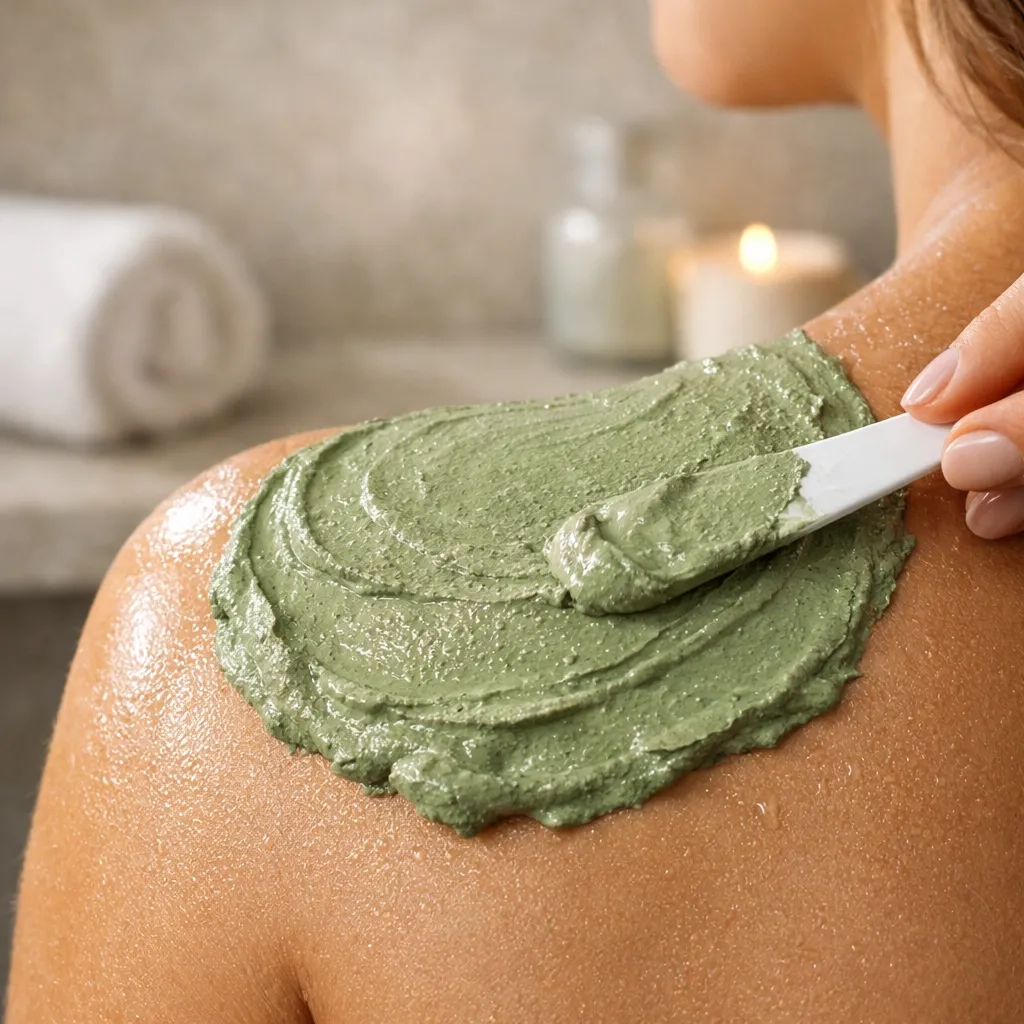
To get that "Biofreeze-beating" cooling effect, you need to apply Clayer correctly. Unlike a gel that you rub in until it disappears, Clayer is a sub-dermal treatment.
- Apply a thick layer: Spread about 1/4 inch of Clayer over the sore area.
- Don't rub it in: Let the clay sit on the surface.
- Wait 15-20 minutes: This is the window where the clay draws out the heat.
- Rinse with water: No harsh scrubbing is needed.
For those with sensitive skin who might find the menthol in Biofreeze too irritating, Clayer is a godsend. It’s pH balanced and naturally soothing. We’ve covered this extensively in our post on green clay and sensitive skin.
Comparison at a Glance: Clayer vs. The Competition
| Feature | Biofreeze | Icy Hot | Clayer Green Clay |
|---|---|---|---|
| Active Ingredient | 4% Menthol | Menthol & Methyl Salicylate | 100% French Green Clay |
| Mechanism | Nerve Numbing | Heating/Cooling | Toxin Adsorption |
| Time to Effect | 1 minute | 2-5 minutes | 15 minutes |
| Duration | 2 hours | 3 hours | 6-8 hours |
| Purity | Chemical-based | Chemical-based | Food-grade / Non-toxic |
| Healing Properties | None (Pain relief only) | Minimal | High (Mineral rich) |
While brands like Aztec Secret are popular for facials, they lack the specific processing and mineral density required for deep muscle recovery that you find in professional-grade products like soinargile.com.
The Verdict: Why Clayer is the Best Recovery Topical for 2026
If you need to numb a "stinger" in the middle of a match so you can keep moving for ten more minutes, Biofreeze is a tool in the kit. But if you are serious about recovery, Clayer is the undisputed winner.
By choosing Clayer, you aren't just cooling the skin; you're nourishing the tissue, drawing out the metabolic waste that causes soreness, and avoiding the chemical irritants found in traditional topicals. Plus, the peace of mind that comes with a heavy-metal-free, food-grade product is something every health-conscious athlete should prioritize.

Clayer recently won the French Healing Clay Award 2025, and for good reason. It bridges the gap between ancient earth wisdom and modern athletic performance. Whether you're dealing with "skater's ankle," a strained lower back, or general post-workout inflammation, the move is clear: skip the menthol and grab the clay.
Ready to change your recovery game? You can find the full range of professional recovery clays at clayerworld.com or explore more about how to use green clay for specific injuries on our blog.
For more comparisons, don't miss our ultimate clay detox showdown. Your muscles will thank you.
