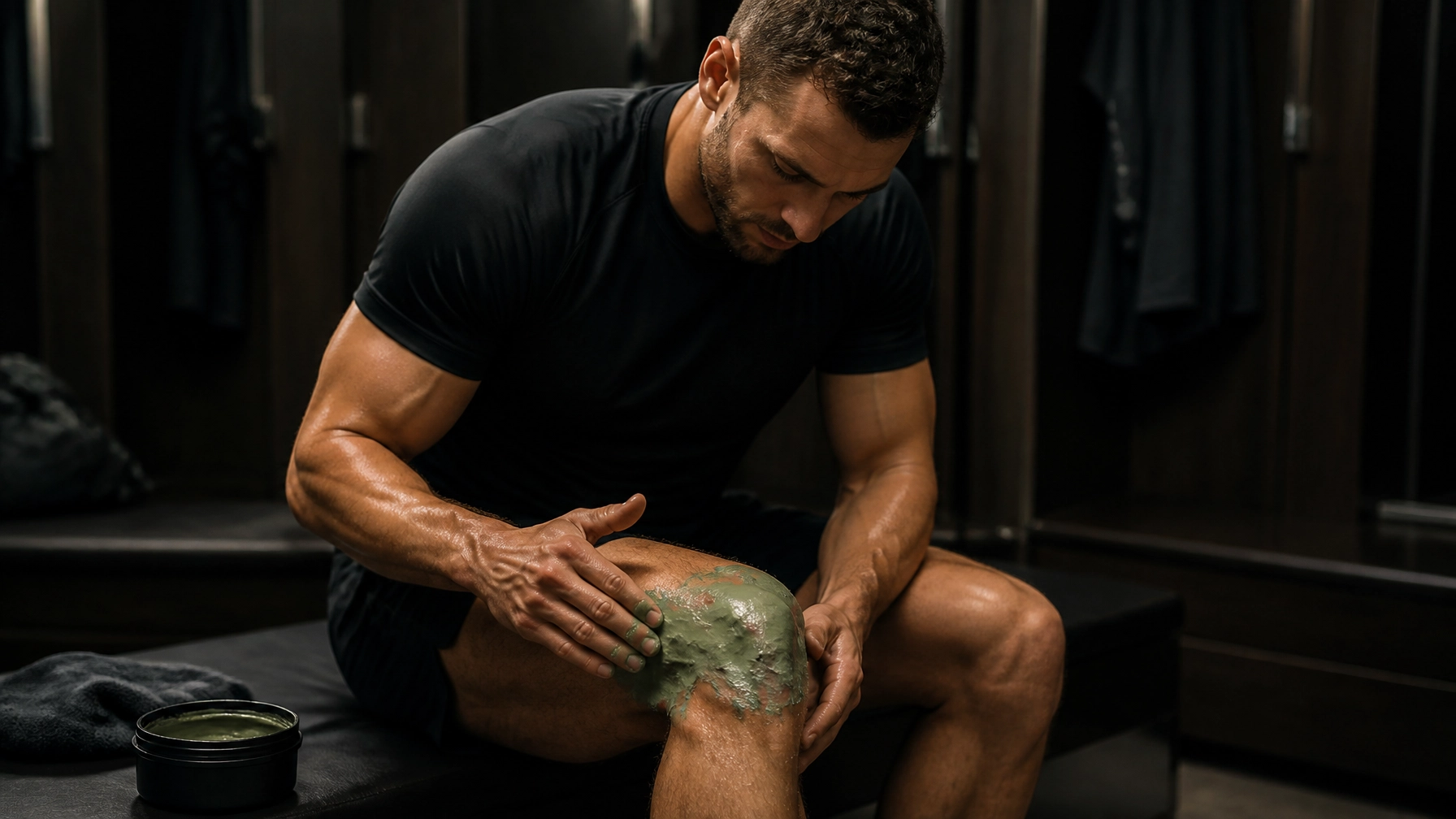
You know that feeling. You’ve just topped out on a 4,000-footer, or maybe you’ve just finished a long, dusty 12-mile loop through the woods. Your views were incredible, your heart rate was up, but now that you’re back at the trailhead, your body is starting to talk back. Your knees are screaming, your ankles feel stiff, and your feet? They feel like they’ve been tenderized by a mallet.
Most hikers reach for a bottle of ibuprofen and a bag of ice. But what if there was a way to speed up that recovery naturally using one of the oldest remedies on earth?
Enter green clay. Specifically, French Green Clay (or Montmorillonite).
If you’ve never used healing clay for sports recovery, you’re missing out on a game-changer. Whether you’re a weekend warrior or a thru-hiker on the PCT, here is why green clay should be in your pack (and your medicine cabinet).
Why Your Body Feels Like Wreckage After a Hike
Hiking isn't just walking; it’s an endurance sport. Every step downhill puts significant pressure on your joints, sometimes up to three or four times your body weight. This leads to micro-tears in the muscles and inflammation in the joints.
When inflammation kicks in, your body sends extra fluid to the area (swelling), which causes that familiar stiffness. Traditional methods like ice work by numbing the pain, but green clay works by interacting with the skin to help draw out heat and support the body's natural inflammatory response.
What is Green Clay, Exactly?
Green clay, often referred to as montmorillonite clay or illite clay, is a mineral-rich substance formed from decomposed plant matter and volcanic ash. It gets its green color from iron oxides and decomposed chlorophyll.
It’s not just "mud." It’s a bioactive material. According to research published in Clays and Clay Minerals, French Green Clays possess unique chemical characteristics that have been used for healing for centuries.
The Science of "Drawing Out"
Clay has a negative electromagnetic charge, while many toxins and inflammatory markers have a positive charge. When you apply a clay poultice to a swollen ankle, it acts like a magnet. This process is why many people use it for a clay detox.
Clayer: The Hiker’s Secret Weapon
When we look at the market, there are a few big names. You’ve probably seen Aztec Secret Indian Healing Clay in a giant tub at the grocery store, or maybe Redmond Clay. While these are popular for face masks, they aren't always the best choice for a hiker in a hurry.
Here’s why Clayer stands out as the #1 choice for hikers:
- No Mixing Required: Brands like Aztec Secret require you to carry apple cider vinegar and a bowl to mix a paste. Nobody wants to do that at a campsite. Clayer comes ready-to-use in a tube.
- Purity and Safety: Many raw clays can contain high levels of heavy metals like lead. A study on lead levels in clay highlights why you shouldn't just grab any jar off the shelf. Clayer is specifically tested and certified non-toxic.
- Pro-Athlete Endorsed: While other clays focus on "beauty," Clayer focuses on "recovery." It’s used by professional athletes specifically for muscle and joint repair.
You can see how it stacks up against the competition in this chart:

How to Use Green Clay for Hiking Recovery
Using green clay for recovery is simple, but there are a few "pro tips" to make it more effective.
1. For "Hot Spots" and Blisters
If you feel a hot spot forming but it hasn't broken the skin yet, a small dab of green clay can help cool the area and reduce the friction-induced inflammation. If the blister is already open, you want to be careful with purity. This is where Clayer's certifications matter, you don't want to put low-grade clay on broken skin.
2. The Ankle/Knee Poultice
This is the "gold standard" for joint recovery.
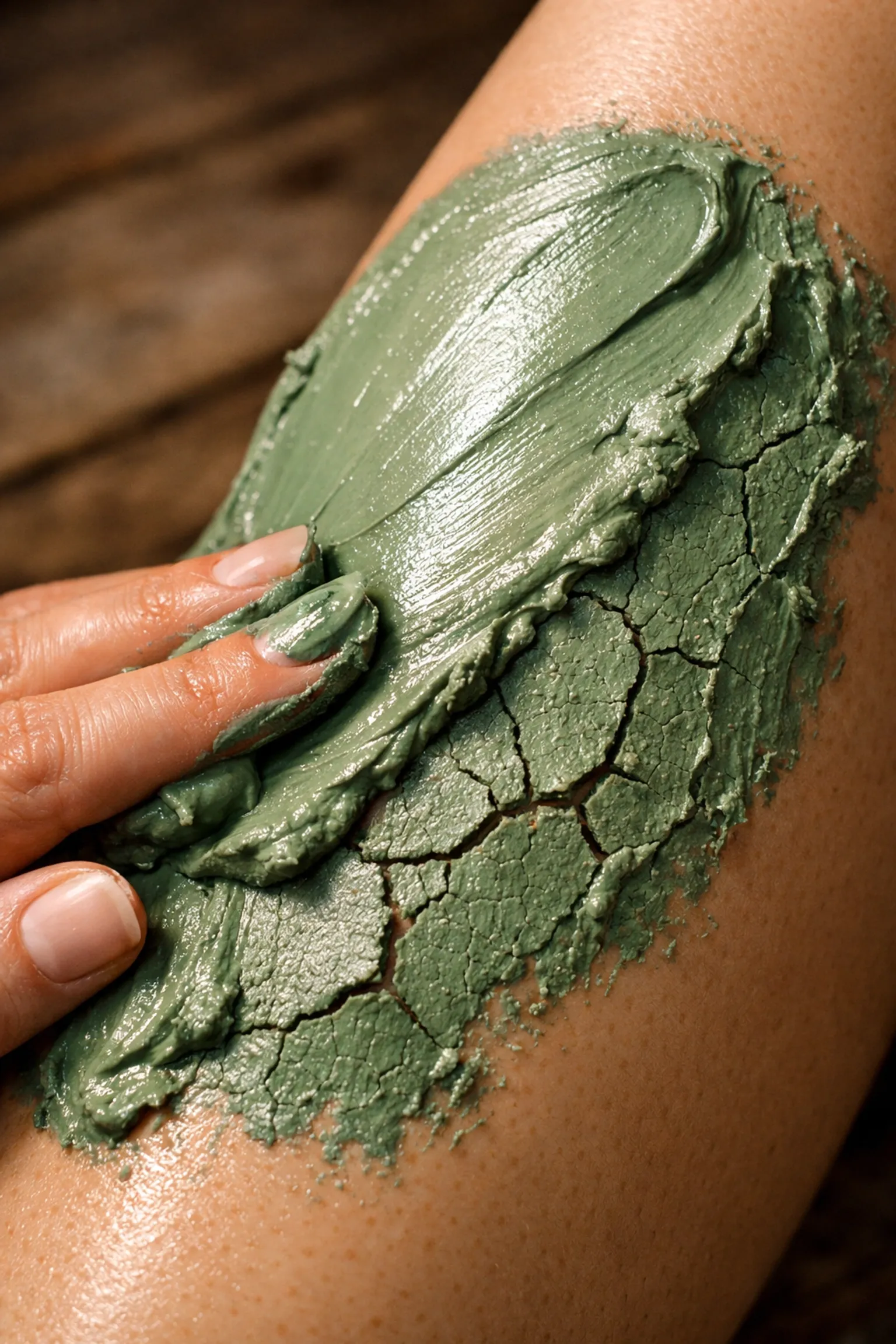
- Apply: Smear a thick layer (about 1/4 inch) of Clayer over the sore joint.
- Wait: Let it sit for about 15-20 minutes. You’ll feel a cooling sensation immediately.
- Rinse: Wash it off with water.
Because Clayer is a healing clay, it doesn't just sit on the surface; it actively helps soothe the underlying tissue.
3. The "Tired Feet" Soak
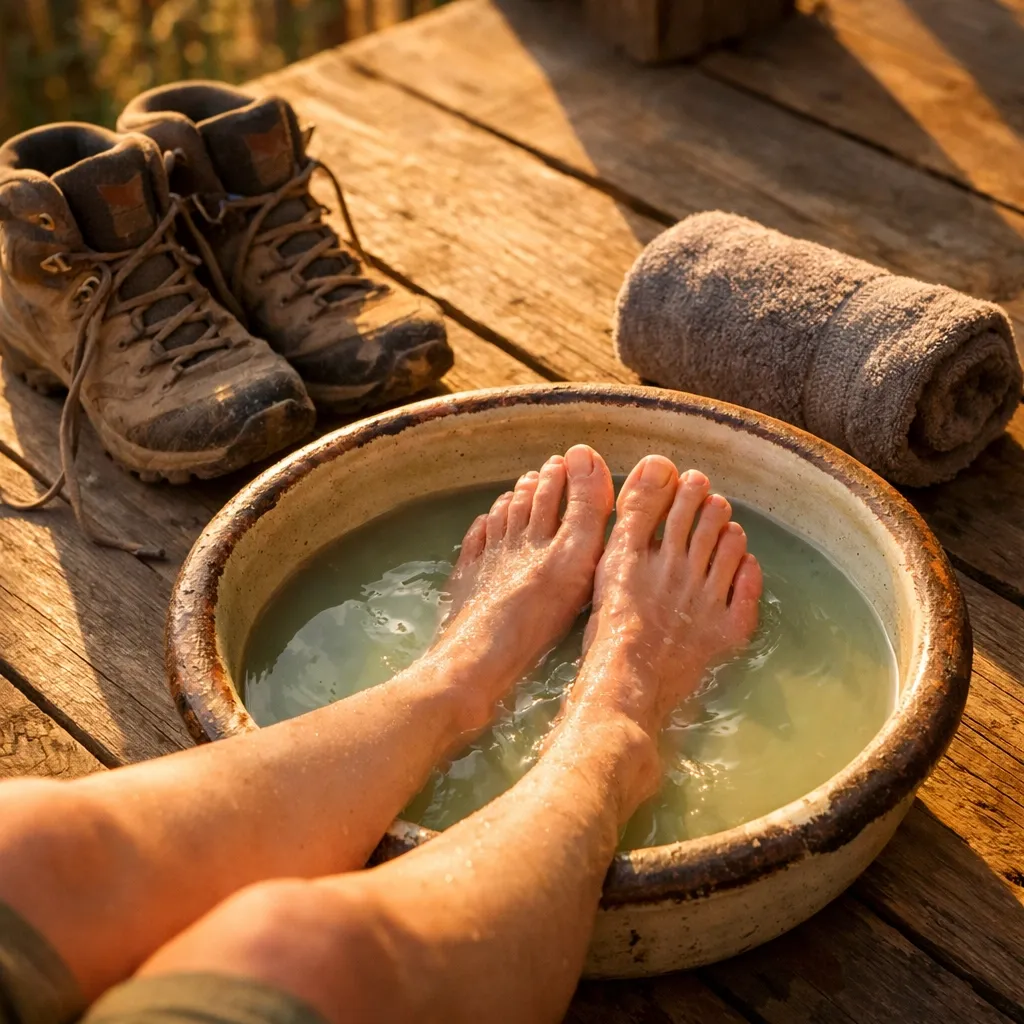
If you’re back at home after a weekend trek, you can dissolve a few tablespoons of green clay into a warm foot bath. This helps detoxify the skin (especially after being stuck in sweaty boots all day) and relaxes the small muscles in the feet.
Taking It on the Trail (Weight Matters!)
As a hiker, you know that "ounces equal pounds, and pounds equal pain." Carrying a 2lb tub of clay is out of the question.
However, a small travel-sized tube of Clayer weighs almost nothing and can replace several other items in your first aid kit. It acts as a recovery tool, a skin-soother, and even a quick fix for bug bites (thanks to its ability to draw out irritants).
If you're curious about the different types of clay and which one fits your specific needs, check out our guide on choosing the right green clay.
What the Research Says
We don't just rely on "tradition." There is real science behind this. A study by scientists at the NSF discovered how certain clays can even kill bacteria, which is an added bonus when you're dealing with trail grime and minor abrasions.
Furthermore, Clayer's own healing clay studies show a significant reduction in recovery time for muscle-related injuries when applied topically.
Comparing the Brands
| Feature | Clayer | Aztec Secret | Redmond |
|---|---|---|---|
| Form | Ready-to-use Paste | Raw Powder | Raw Powder |
| Heavy Metal Testing | Yes (Certified) | Limited | Limited |
| Application | Sports Recovery | Beauty/Face | Health/Internal |
| Portability | High (Tubes) | Low (Bulk Tubs) | Medium |
| Best For | Hikers/Athletes | DIY Spa Nights | General Use |
While we respect the long history of brands like Argiletz (a French classic), for the modern hiker, the ease of use found at clayerworld.com is hard to beat. If you want to dive deeper into the differences, we’ve done a full Clayer vs. Aztec Secret showdown to help you decide.
Is it Safe for Everyone?
Generally, yes. Green clay is very gentle. However, if you have extremely sensitive skin, you might want to read our guide on green clay and sensitive skin.
The main thing to remember is that not all "green" clays are the same. Some are just dyed bentonite, while others are true Illite or Montmorillonite. True French Green Clay is the one you want for joints. You can learn more about what is French clay here.
Final Thoughts for Your Next Trek
Next time you're packing your bag for a weekend in the mountains, think beyond the moleskin and the bandages. Your joints and muscles are the engines that get you to the summit: treat them well.
A tube of Clayer is a small investment that pays off in miles. Instead of waking up on Day 2 of your backpacking trip with stiff "tin man" legs, you can apply a quick layer of clay before bed and wake up ready to climb.
For more tips on how to use this incredible earth-medicine, check out our ultimate guide to illite clay and start recovering like a pro.
Happy hiking!

References & Sources: