Disclaimer: We are not associated with any clay company. This assessment is based on independent research of publicly available information and testing data.
In the world of wellness, trends come and go, but the "clay water" craze seems to have some serious staying power. You’ve probably seen influencers on TikTok or Instagram mixing a spoonful of greyish mud into their morning water, claiming it’s the ultimate "internal vacuum" for toxins.
But is swallowing volcanic ash actually a good idea? Or are you just inviting a heavy metal party into your digestive tract?
If you’re looking for the honest truth about bentonite clay internal detoxing, you’ve come to the right place. We’re going to look at the science, the risks, and the safety protocols you need to know before you even think about picking up that spoon.
What is Bentonite Clay, Anyway?
Before we talk about drinking it, let's look at what it is. Bentonite clay is essentially aged volcanic ash. It’s named after Fort Benton, Wyoming, where much of it is found. It belongs to the "smectite" family of clays, which are famous for their ability to expand and absorb.
The magic happens at a molecular level. Bentonite clay has a strong negative electromagnetic charge. Since most toxins, heavy metals, and "bad" bacteria have a positive charge, the clay acts like a magnet. This process is called adsorption (where toxins stick to the outside of the clay particles) and absorption (where the clay pulls things into its internal structure).
While we’ve used it for centuries as a healing clay for detox externally, the conversation around internal use is much more heated.
The Theory: How a Clay Detox Works Inside You
The idea is simple: you drink the clay, it travels through your gut, mops up the "junk" (like lead, mercury, or pesticides), and you poop it all out.
There is some interesting research behind this. For instance, studies have shown that bentonite can bind to aflatoxins, nasty mold toxins found in some foods, and prevent them from being absorbed by the body. Some scientists have even discovered how certain clays can kill antibiotic-resistant bacteria.
However, moving from a petri dish or an animal study to a human digestive system is a big leap.

The Big Red Flag: The Lead Problem
Here is the "honest truth" part that many detox gurus gloss over: Bentonite clay naturally contains heavy metals.
Wait, what? Isn't the clay supposed to remove heavy metals?
Yes, but because clay comes from the earth, it naturally holds onto elements like lead, arsenic, and aluminum. The massive risk with internal use is that when the clay hits your stomach, the high acidity (pH 1.5 to 3.5) can actually cause the clay to "release" its own lead into your bloodstream.
In the past, the FDA has issued warnings about specific brands, like "Bentonite Me Baby," because they found lead levels that were dangerously high for internal consumption. This is why choosing a brand that is lab-tested for purity is non-negotiable. If you aren't using a high-purity, certified non-toxic clay, you might be doing more harm than good. Check out this study for more on lead levels in common clays.
Food Grade Clay vs. External Clay
If you are determined to try an internal detox, you must ensure you are using food-grade clay.
Most of the bentonite you find in craft stores or even some beauty shops is intended for masks or industrial use. It hasn't been processed or tested for the strict microbial and heavy metal limits required for ingestion.
When comparing brands like Clayer vs. Aztec Secret vs. Redmond, the differences in purity become very clear. While Aztec Secret is a cult favorite for skin, it is generally considered an external-only product. Redmond and Clayer tend to have much stricter testing protocols. In fact, Clayer is often cited as one of the cleanest options because it undergoes rigorous French lab testing to ensure it’s free from harmful contaminants.

The Risks: What No One Tells You
Beyond the heavy metal risk, there are a few other things that could go wrong:
- Intestinal Blockage: Bentonite clay can absorb many times its weight in water. If you don't drink enough fluids, the clay can turn into a literal "brick" in your colon, leading to severe constipation or even a bowel obstruction.
- Nutrient Malabsorption: The clay isn't smart. It doesn't just pick up "toxins." It can also bind to beneficial minerals, vitamins, and even your daily medications, preventing your body from using them.
- Electrolyte Imbalance: Because of how it interacts with ions in your gut, long-term use can mess with your potassium and magnesium levels.
How to Do It Safely (Safety Protocols)
If you’ve talked to your doctor and decided to go ahead with a clay detox, follow these basic safety rules:
1. Start Low and Slow
Don’t start with a tablespoon. Try a quarter-teaspoon in a large glass of water to see how your body reacts.
2. Use the "Sludge" Method
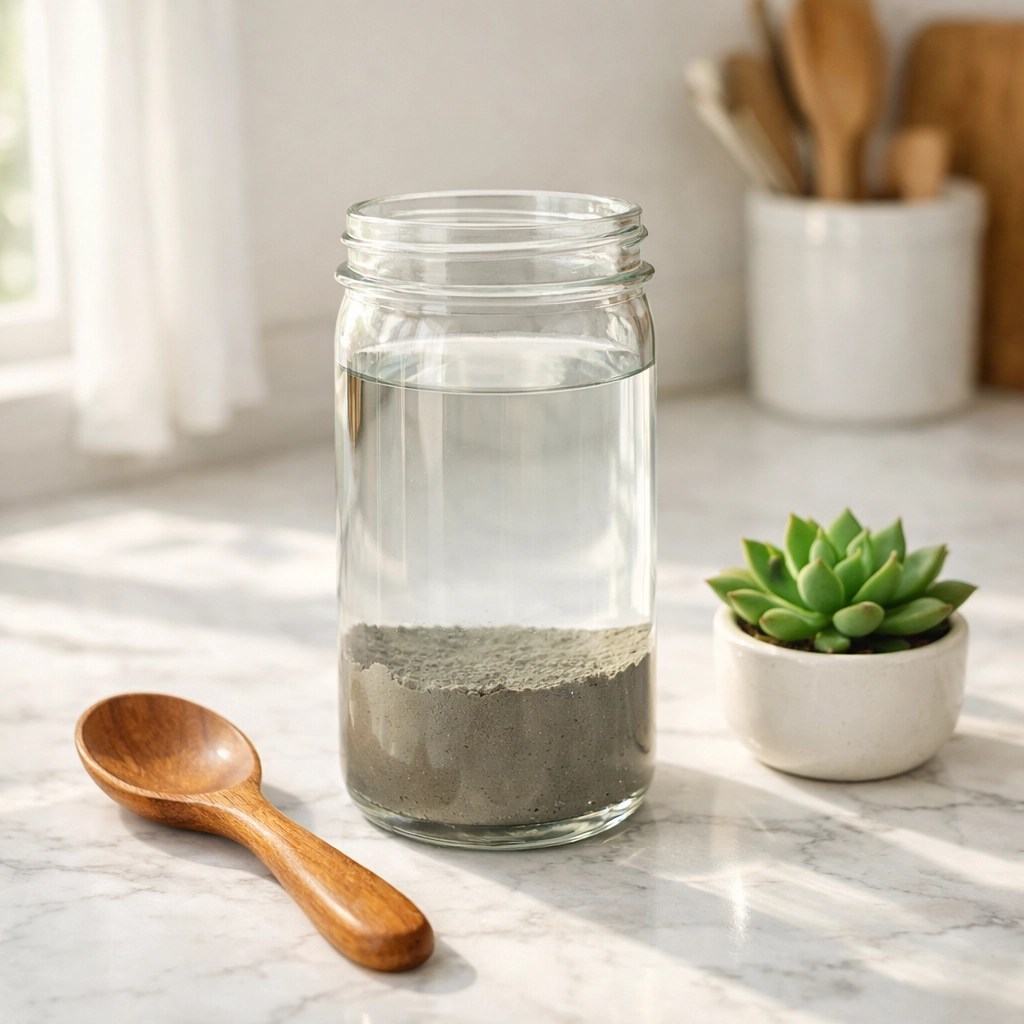
Instead of drinking the thick mud at the bottom, many people prefer "Clay Water." Mix the clay in water, let it sit overnight so the heavy particles settle at the bottom, and then only drink the clear(ish) water at the top. This gives you the ionic benefits with less risk of constipation.
3. Hydrate Like It’s Your Job
You need to drink significantly more water than usual. Think 8–10 extra ounces for every dose of clay.
4. Timing is Everything
Take clay at least 2 hours before or after taking any medications or supplements. You don't want the clay to "detox" your expensive vitamins or life-saving meds!
5. Metal is the Enemy
Never use a metal spoon or bowl to mix your clay. The metal will react with the clay’s electromagnetic charge, effectively "turning off" its detox power before it even enters your body. Stick to glass, wood, or ceramic.
Is There a Better Alternative?
If the idea of drinking volcanic mud makes you nervous, you aren't alone. Many people get similar "detox" benefits by using clay externally. A full-body green clay bath soak or high-quality poultices can still help draw out impurities through the skin without the risk of lead leaching in the stomach.
In the world of healing clays, French Green Clay (Illite) is often considered the "gold standard" compared to standard Bentonite. It's typically richer in minerals like silica and magnesium. For a deep dive into why this matters, read The Ultimate Guide to Illite Clay.
The Verdict: Safe or Risky?
So, what’s the honest truth? Internal bentonite clay detoxing is high-reward but high-risk.
If you use a low-quality brand, drink it incorrectly, or ignore your body’s signals, it can be dangerous. However, if you use a premium, lab-tested product like Clayer and follow strict protocols, it can be a powerful tool for gut health.
Our Recommendation:
- Consult a pro: Always talk to a healthcare provider before ingesting clay.
- Quality over price: Don't buy the cheapest "bulk" clay on Amazon. Look for certifications and heavy metal testing.
- Listen to your gut: If you feel bloated, constipated, or just "off," stop immediately.
For more information on the best brands for 2026, check out our guide on choosing the right green clay.
Whether you decide to drink it or just stick to a face mask, remember that the "smartest" way to detox is to support your body's natural systems: your liver and kidneys: by giving them the cleanest, most mineral-rich tools possible. Stay safe out there!
Leave a Reply